





















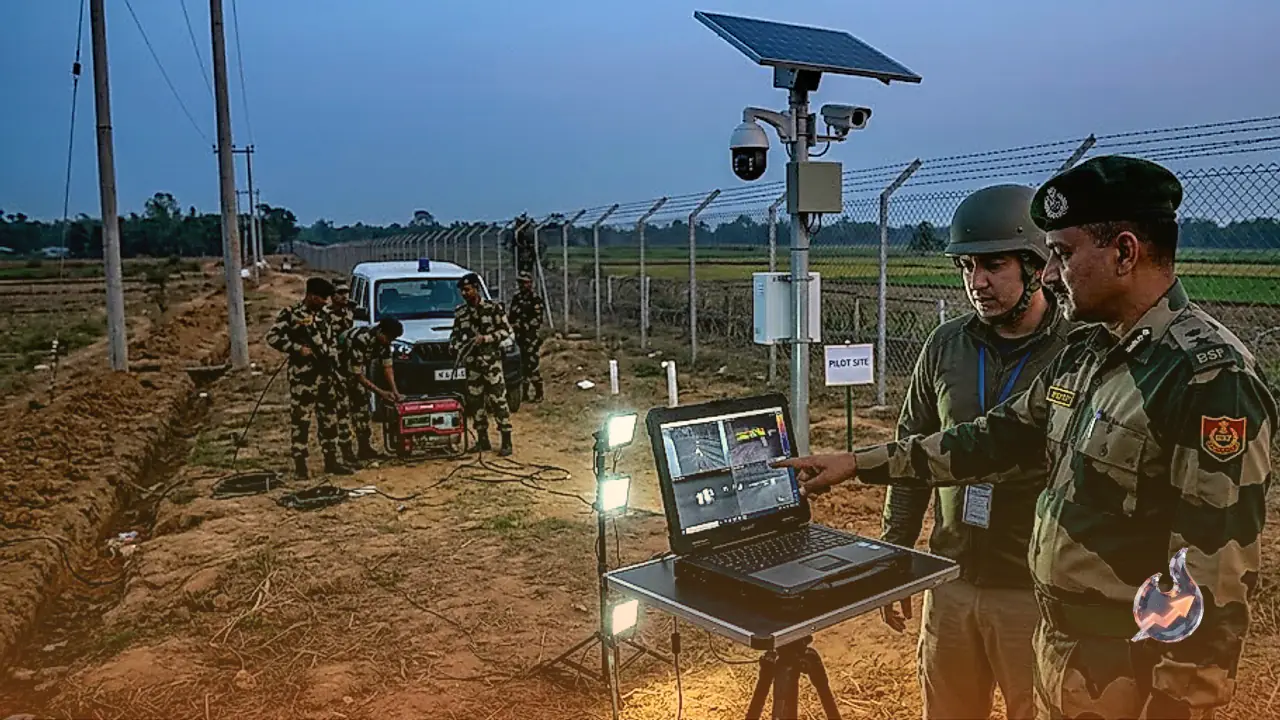

The Tripura government has embarked on a pilot study to develop a smart border along its international boundary with Bangladesh, with the initiative currently underway in the Sepahijala district, Chief Minister Manik Saha announced on Sunday. The proposed system is designed to significantly enhance border security by fostering greater coordination among the state administration, various law enforcement agencies, and the Border Security Force, while heavily integrating technological solutions.
Launching the Pilot in Sepahijala
Saha shared these details while interacting with reporters after attending a blood donation camp. The camp was jointly organised by the Rotary Club of Aspiring Agartala and the BSF at the Shalbagan BSF headquarters. Elaborating on the initiative, he stated that the pilot study for the smart border has officially commenced in the Sepahijala district, which shares a stretch of over 100 km of international border with Bangladesh. He added that he was informed by authorities that a tender has already been floated to advance the implementation plan.
Following Union Leadership Directives
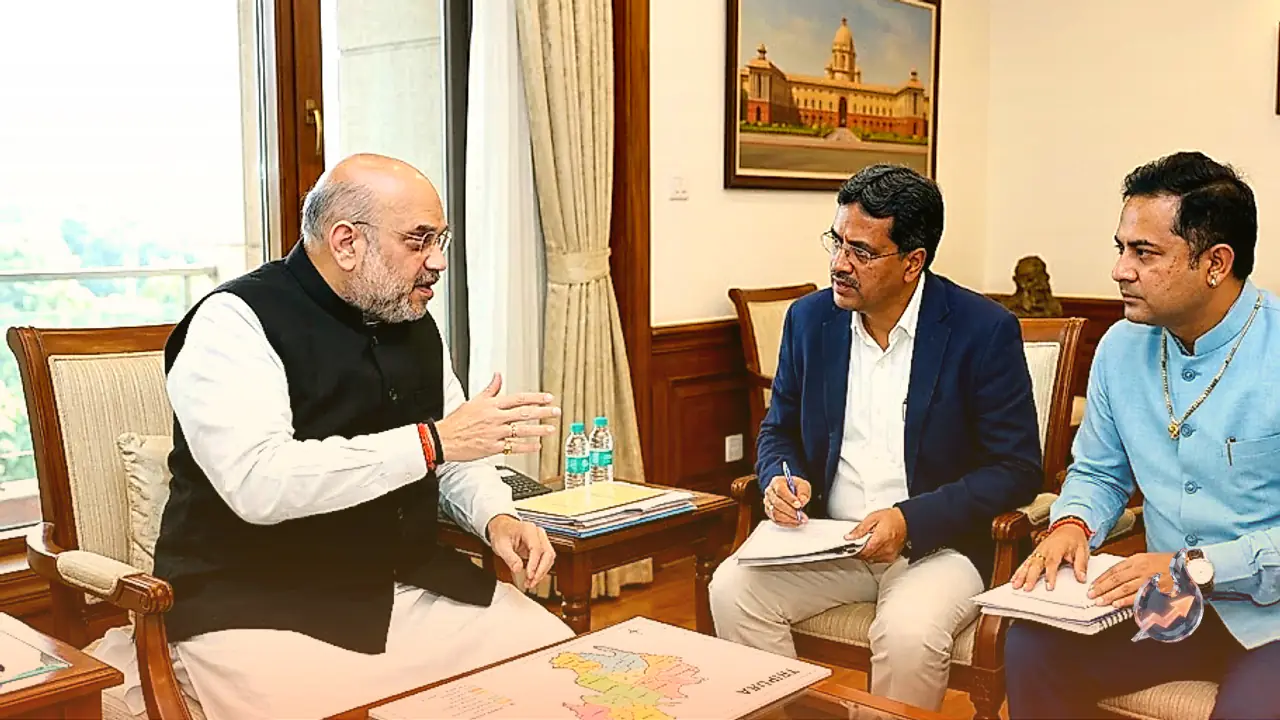
This security upgrade follows Union Home Minister Amit Shah’s official visit to Tripura back in June. During that visit, the Union Home Minister publicly announced that the concept of smart borders—combining local administration, advanced technology, and the steadfast commitment of security personnel—would be successfully rolled out across the state to fortify vulnerable stretches.
Geographical Realities of the Frontier
Geographically, Tripura shares an extensive 856-km-long international border with Bangladesh. Out of this total boundary, approximately 80 per cent has already been secured with physical fencing. However, the Chief Minister noted that fencing work remains incomplete in certain specific stretches due to severe geographical constraints and other logistical hurdles. These challenges include winding rivers, difficult terrain, and persistent objections raised from across the border.
Bridging Information Gaps Through Coordination
Highlighting the administrative challenges, Saha pointed out that improved coordination among all agencies tasked with border management is absolutely essential. He explained that because the BSF is primarily charged with guarding the international frontier, standard updates or specific developments along the boundary do not always immediately reach the state government apparatus. Consequently, the administration is prioritizing enhanced collaboration between law enforcement branches and local district administrations. Once critical information reaches state authorities, they can proactively address security challenges or operational gaps.
Reiterating the core objective, Saha mentioned that the Home Minister had previously emphasized the need for synergy among enforcement bodies during his trip to make the frontier impregnable. According to the Chief Minister, tightening border management through these technological and administrative upgrades will directly help curb human trafficking, drug smuggling, and various other illicit cross-border activities along the international frontier.