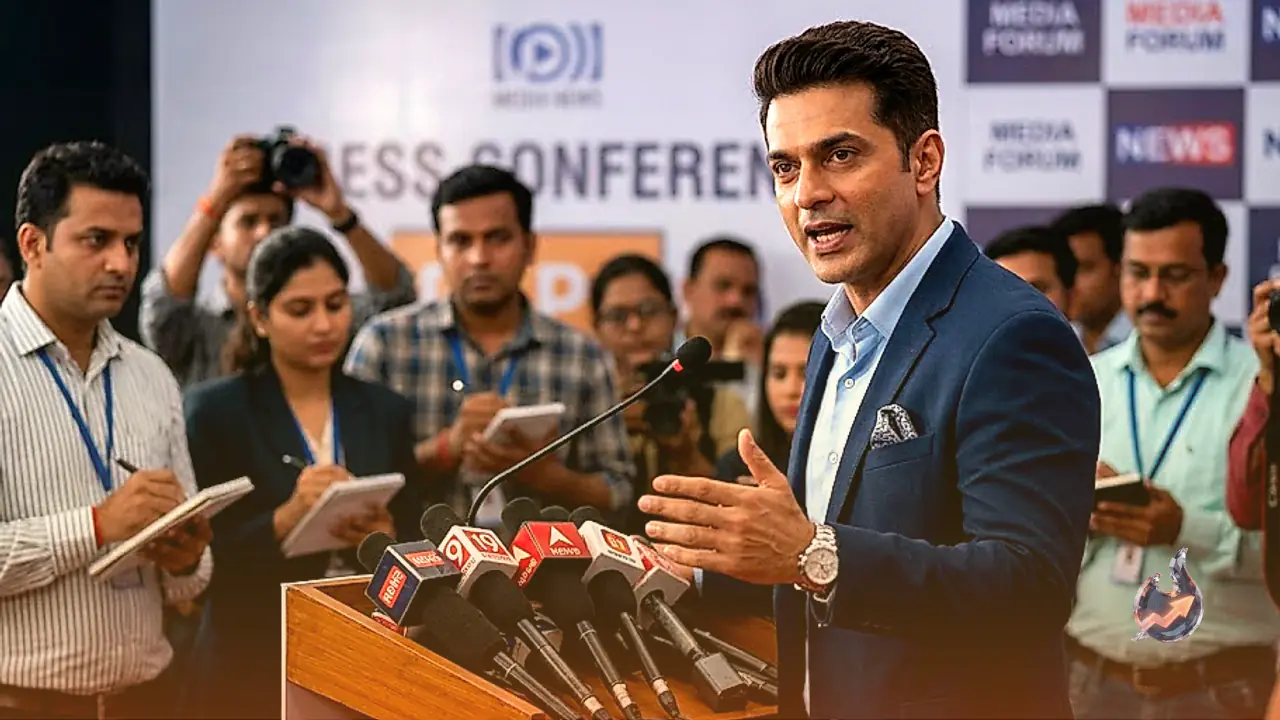
























Actress Dipika Kakar, who rose to fame with the television show 'Sasural Simar Ka', has stayed away from daily soaps in recent years while remaining active as a popular YouTuber. Alongside her professional journey, her personal life and second marriage to co-star Shoaib Ibrahim have frequently made headlines. After adopting Islam and taking the name Faiza Ibrahim around her wedding, public narrative often assumed the conversion was purely for marriage. Now, her former co-actor Jayati Bhatia has shared insights into what actually drove that decision.
Personal Peace at Ajmer Sharif over Matrimonial Pressure
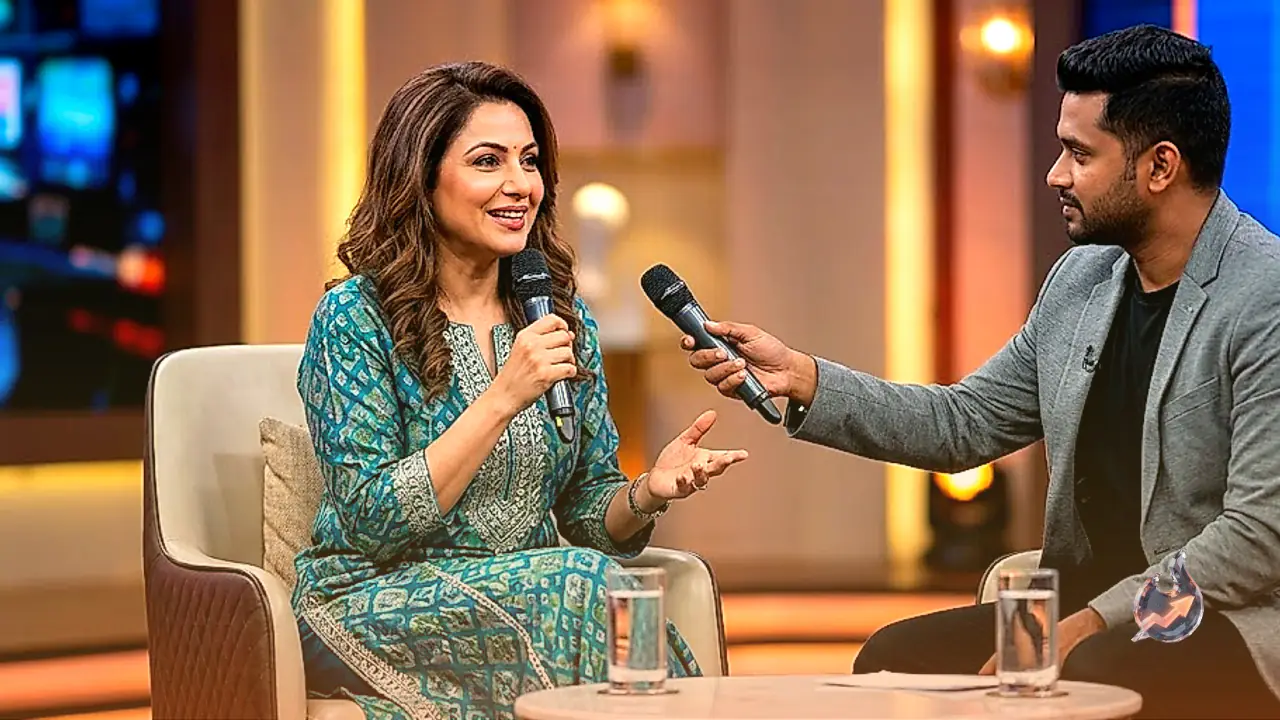
Jayati Bhatia, who portrayed the family matriarch 'Mataji' in 'Sasural Simar Ka', discussed the matter during an interview with Siddharth Kannan. She noted that Dipika approaches everything in her life with total dedication, whether it involves her professional commitments or her personal relationship with Shoaib Ibrahim.
Addressing the conversion directly, Jayati Bhatia recalled asking Dipika whether the change of faith was done for the marriage. Dipika explicitly denied it, explaining that she was navigating a challenging phase in her life at the time. During a visit to Ajmer Sharif, she found profound mental peace and inner strength through prayer. Inspired by that spiritual experience, she voluntarily chose to convert as a personal decision rather than an obligation tied to her marriage.
Addressing Social Media Trolling and Relationship Equality
The conversation also covered the persistent online criticism Dipika faces regarding her religious transition and devotion to her husband. Responding to claims that Dipika changed herself entirely for her partner, Jayati Bhatia emphasized that the marriage operates on equal terms.
She pointed out that when Dipika and Shoaib first fell in love, Dipika was in a very strong career position. Whenever Dipika required support later on, Shoaib stepped up for her. Even now, as Dipika handles ongoing health struggles, Shoaib and his family remain firmly by her side. Bhatia asserted that converting faith does not equate to submissiveness within a partnership.