
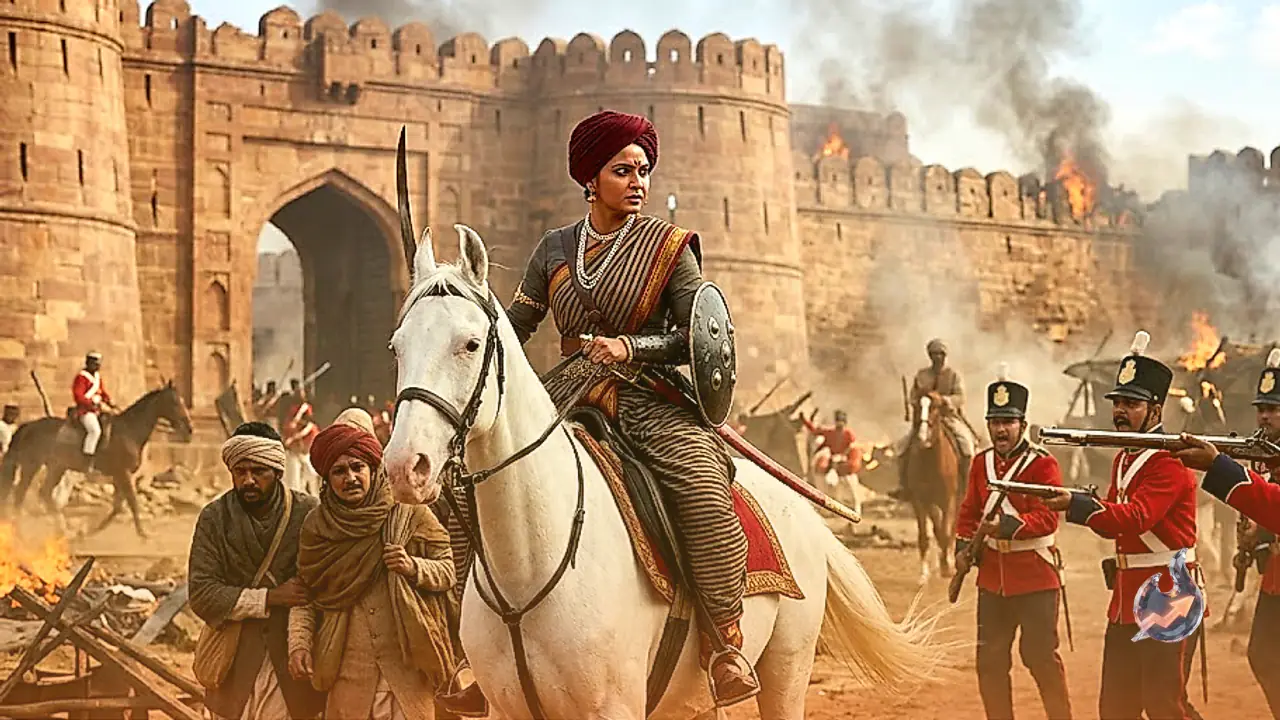

















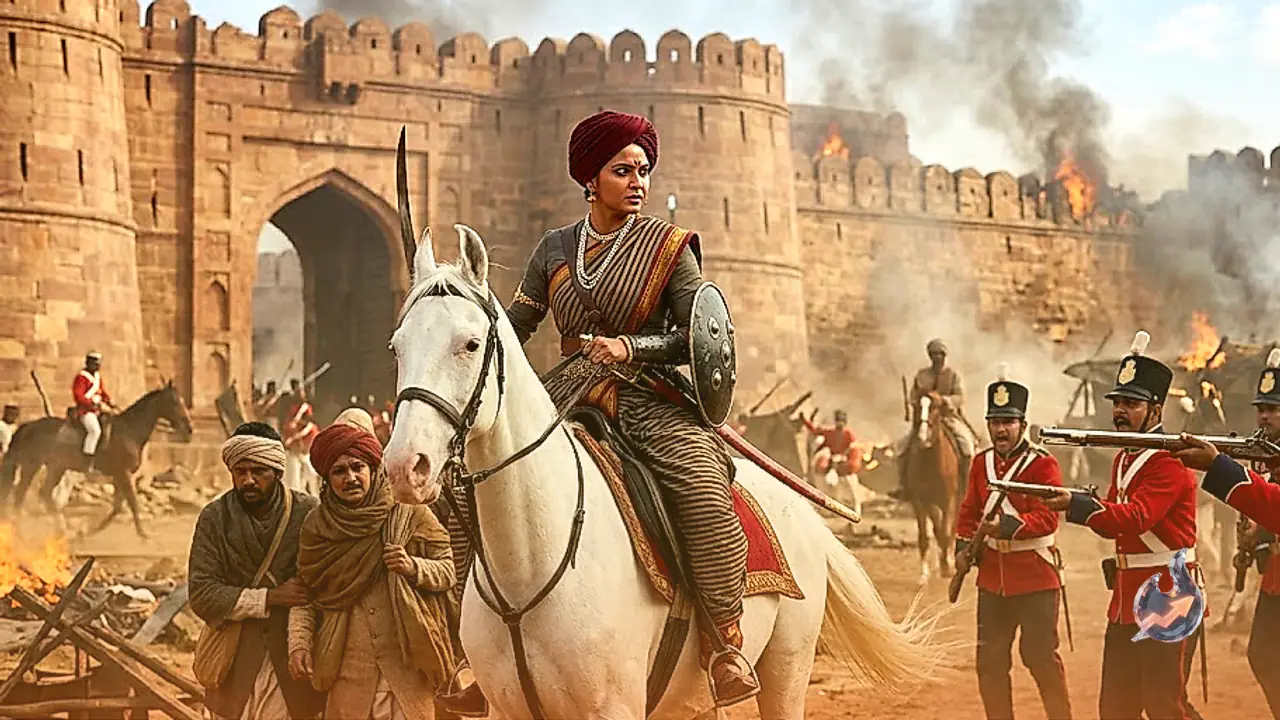

The saga of the 1858 siege of Jhansi is incomplete without mentioning the legendary valour of Rani Lakshmibai. However, alongside the iconic queen, another extraordinary woman played a crucial role in this historical chapter. Jhalkaribai, a deeply trusted aide and companion of the queen, emerged as a symbol of loyalty and courage during one of the most difficult times for the kingdom of Jhansi. Her contribution to the resistance against British forces remains a prominent part of local history and oral traditions, illustrating the vital role played by women in the battle.
The Rise of a Trusted Warrior in Durga Dal
Jhalkaribai's connection to the royal court grew stronger after Rani Lakshmibai arrived in Jhansi. Over time, she managed to win the complete confidence of the queen through her dedication. Her association with the military was also deeply personal, as her husband, Puran Kori, served as a soldier in the army of Jhansi. Jhalkaribai herself was highly skilled in handling weapons and was well-versed in the arts of warfare. This background in combat preparation led to her integration into the Durga Dal, which was the dedicated women's military wing of Jhansi's defense forces.
The Battle of 1858 and the Strategic Disguise
The year 1858 brought a severe crisis when British troops launched a massive offensive against Jhansi, surrounding the fort from all sides. Faced with the mounting pressure of the enemy forces, Rani Lakshmibai was confronted with the urgent task of protecting her people and ensuring the survival of her army. It was during this critical juncture that the most famous episode associated with Jhalkaribai took place. Blessed with a striking physical resemblance to Rani Lakshmibai, Jhalkaribai decided to use this facial similarity to deceive the enemy. She dressed in the attire of the queen and presented herself before the British forces. This clever maneuver successfully drew the attention of the British commanders towards her. While the enemy was distracted by Jhalkaribai, Rani Lakshmibai secured a vital opportunity to escape from the fort safely.
The Interface of History and Folklore
To truly comprehend the impact of Jhalkaribai, it is necessary to examine how her story has been preserved. Historian Tarun Kumar suggests that a distinction must be made between formal historical documentation and the rich oral traditions or folklore of the region. He confirms that Jhalkaribai was indeed closely associated with Rani Lakshmibai and that she played an active and significant role in the armed conflict of 1858. However, he also points out that the specific account of her disguising herself as the queen to mislead the British is heavily emphasized in local legends and folklore rather than in traditional written histories. Therefore, researchers and readers should view this narrative through the dual lenses of official history and popular folklore, recognizing that not every element can be verified with strict historical evidence. Regardless of these academic debates, Jhalkaribai's legacy as a courageous warrior who stood firmly by her queen remains an inspiring tale of sacrifice and heroism.