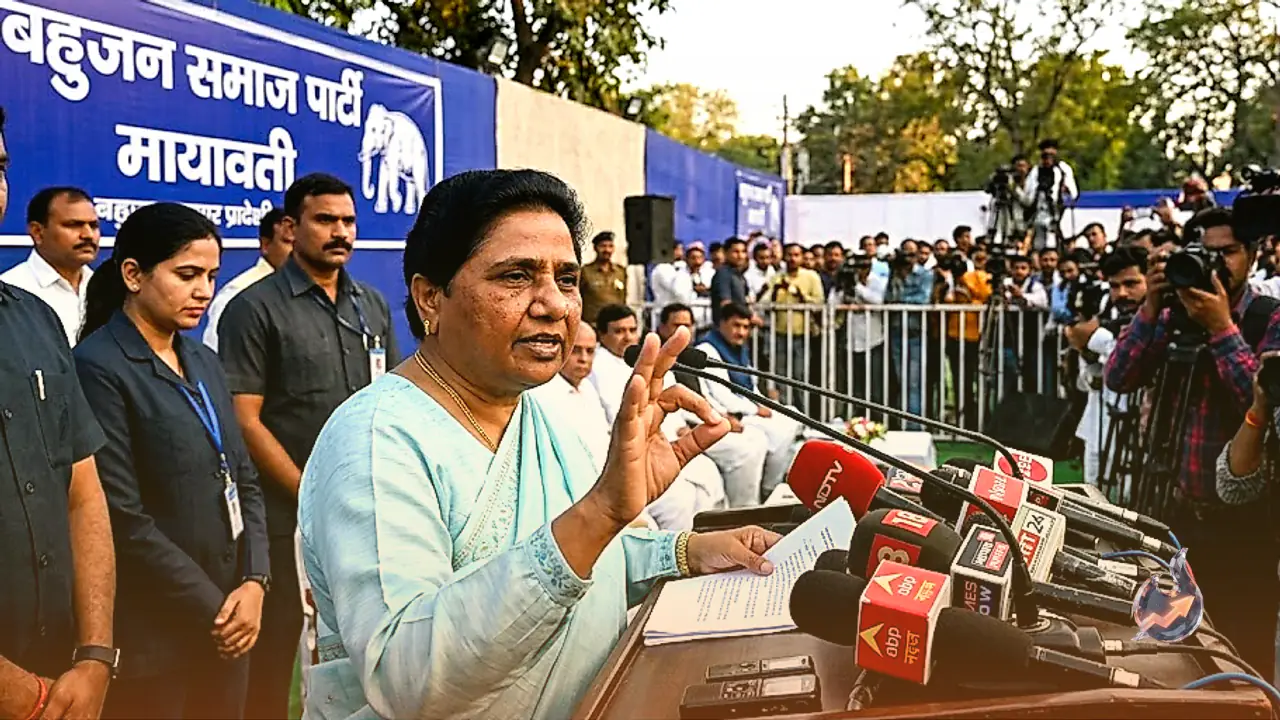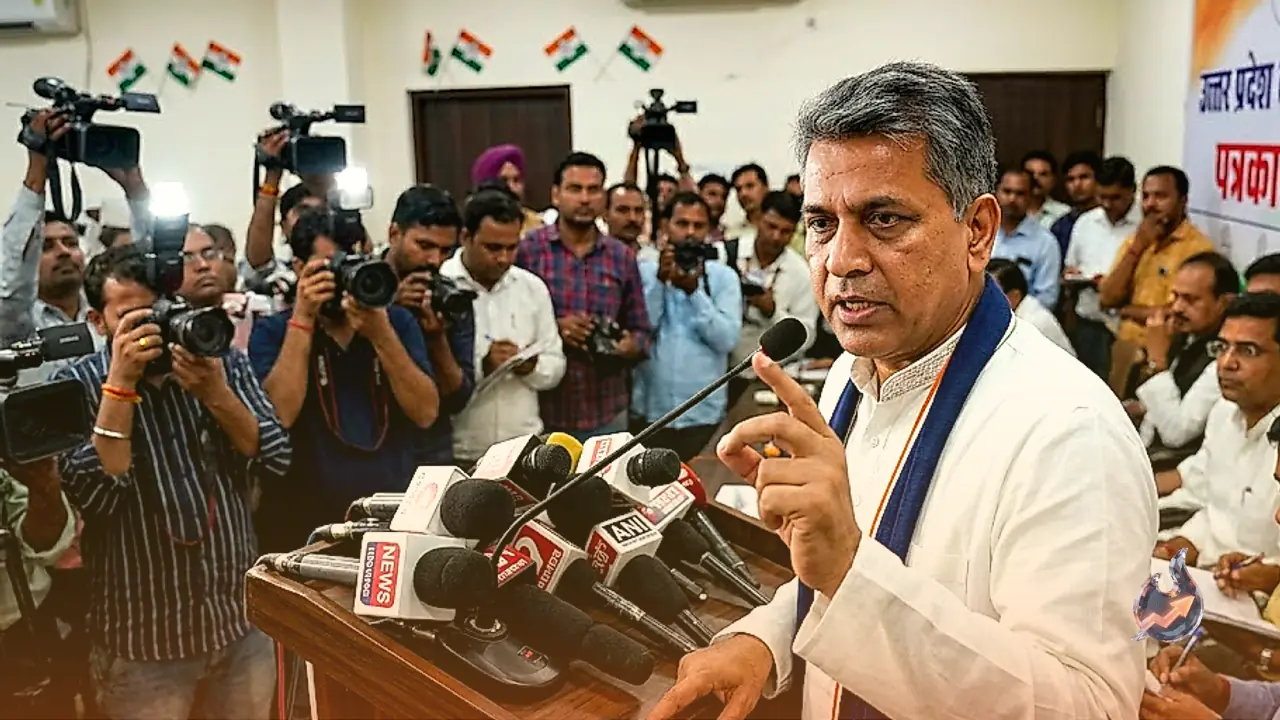
























Political maneuvering has intensified across Uttar Pradesh as the contest for ten Rajya Sabha seats formally gets underway. Voting for these vacant seats will take place on October 16, and the distribution of nomination papers commences today. Under the election guidelines, each prospective candidate is permitted to submit up to four nomination paper sets. Every single set must carry the official endorsements and signatures of ten legislative assembly members. Taking these procedural requirements into account, the Samajwadi Party has directed all of its legislators to remain stationed in Lucknow. Meanwhile, the Bharatiya Janata Party convened its core committee meeting to deliberate on potential nominees, with an official announcement of candidate names anticipated shortly.
Assembly Arithmetic and the Quota for Victory
The legislative arithmetic hinges on the present composition of the state assembly. Out of the total 403 assembly constituencies across Uttar Pradesh, 6 seats are currently vacant, leaving the active strength of the House at 397 legislators. Under the proportional representation formula for the October 16 contest, securing a single Rajya Sabha seat requires a candidate to garner at least 37 votes. The ruling National Democratic Alliance currently commands 294 legislators in the assembly. This tally places the NDA in a comfortable position to capture seven seats outright. However, when it comes to capturing an eighth seat, the coalition falls short by two votes, which could turn that particular contest into a tight struggle.
The Opposition Equation and Third Seat Hurdles
The opposition ledger presents its own set of opportunities and mathematical constraints. The Samajwadi Party, when combined with its ally Congress, holds 103 legislators in the state assembly. To successfully elect two members to the Upper House, the Samajwadi Party requires 74 votes. Consequently, the alliance can easily guarantee victory for two seats without external support. Problems will arise if the party decides to contest for a third seat, as doing so will demand additional votes that the current numbers do not naturally provide, creating an uphill battle.
Shifting Focus Towards General Assembly Politics
With nomination papers now available, lobbying, strategic posturing, and cross-party discussions are expected to escalate steadily until the final vote. Observers note that the outcome of this Rajya Sabha battle will set the tone for the upcoming assembly elections, prompting political outfits to ramp up their organizational groundwork. Leaders across party lines have already initiated alliance evaluations and seat-sharing dialogues as the broader electoral landscape in the state evolves.