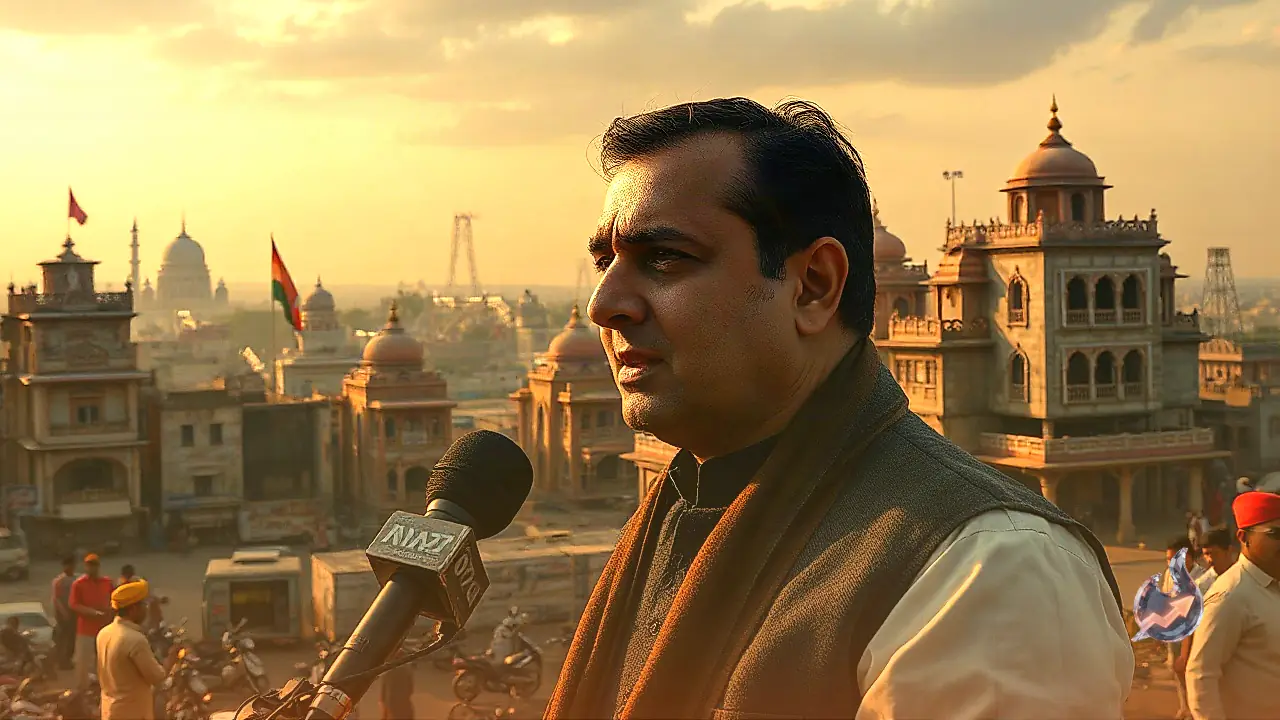






















Substantial structural transformations across public safety, transport connectivity, and agrarian welfare have reshaped Uttar Pradesh over recent years. According to Chief Minister CM Yogi, reinforcing the rule of law has directly elevated day-to-day security for residents, while sustained investments in modern road infrastructure have streamlined passenger and commercial transit. Concurrently, policy interventions targeted at agrarian communities have delivered direct economic relief and simplified harvest monetization.
Conditions Across Uttar Pradesh Prior to 2017
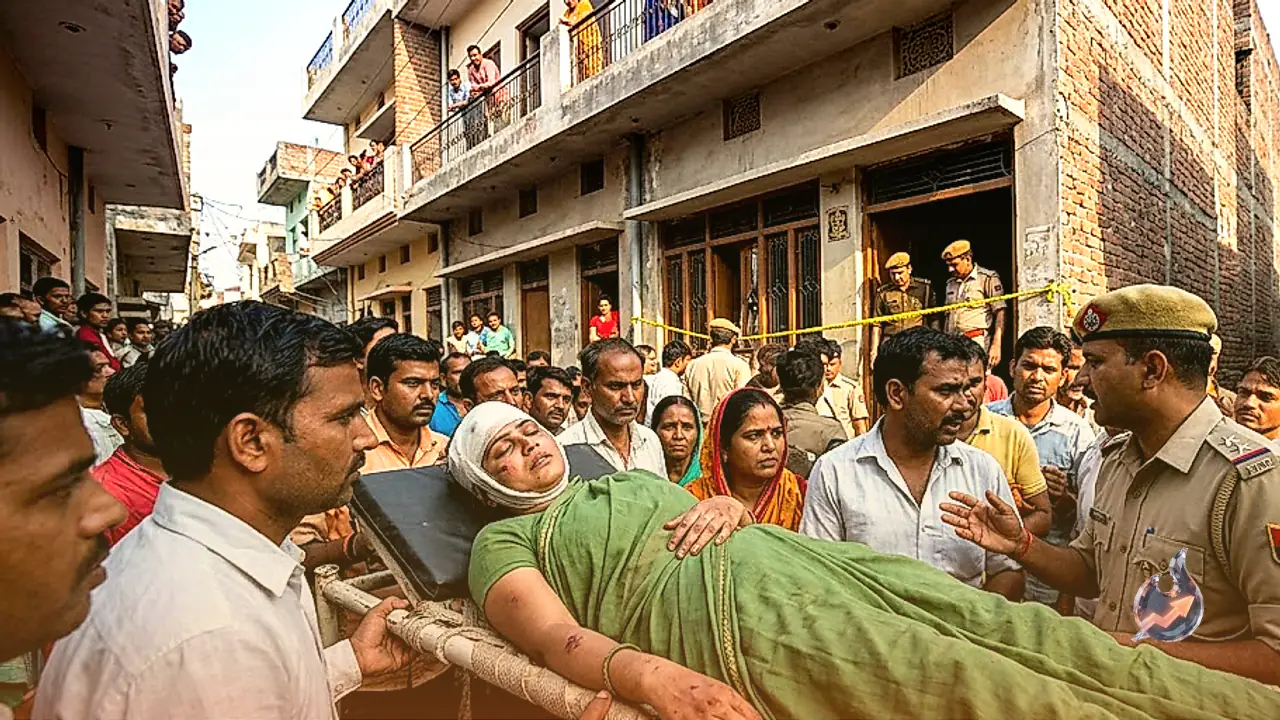
Before 2017, the state regularly grappled with institutional governance deficits, frequent disruptions to public order, and entrenched criminal elements. Recurring civil unrest and protracted curfews spanning weeks or months routinely disrupted ordinary life and local commerce. Unchecked street crime created an environment where taxi and auto-rickshaw operators routinely feared for their personal safety during daily operations.
Organized auto-theft syndicates operated openly in commercial hubs such as Meerut, where stolen automobiles were systematically dismantled for grey-market spare parts. The absence of effective deterrence meant that ordinary commuter vehicles, farmers' buffalo carts, and agricultural electric tube-well motors were routinely targeted by thieves in rural pockets. The physical roadway network suffered from prolonged neglect and severe disrepair, severely impeding movement. Meanwhile, cash-crop cultivators faced acute distress, often waiting years to recover legitimate dues from sugar processing mills for their harvested sugarcane.
Enhanced Surveillance Infrastructure and Expressway Growth
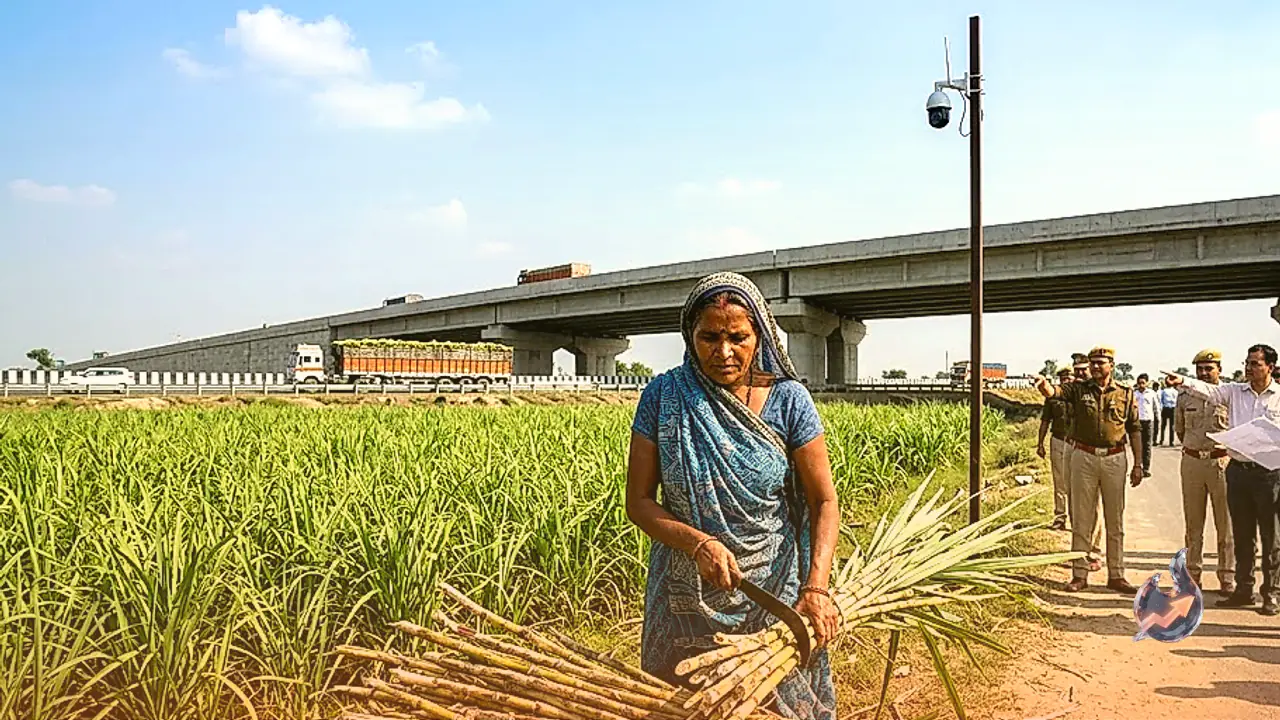
Governance priorities shifted decisively toward public order and long-term capital expenditure following 2017. Robust enforcement measures brought an end to cyclical communal unrest and prolonged administrative lockdowns across vulnerable districts. To reinforce preventive policing and investigative capacity, approximately 1.4 million CCTV cameras were deployed across strategic public points statewide, facilitating swift intervention against criminal infractions.
A parallel modernisation drive overhauled the state's transport corridors. High-capacity multi-lane highways and controlled-access corridors were engineered to bridge rural interiors with district administrative headquarters and bordering states. At present, Uttar Pradesh accounts for over 60 percent of the total operational expressway network in India. This logistical spine has significantly compressed inter-city transit times while improving passenger safety and trade distribution across regions.
Revitalised Sugar Mills and Record Agrarian Disbursements
Targeted administrative interventions were similarly deployed to stabilize the state's vital agrarian economy and resolve chronic processing delays. Currently, 122 sugar mills are fully operational across Uttar Pradesh, operating at complete capacity. Among these facilities, more than 100 mills now process and settle farmer payments within just four days of crop delivery.
Cumulative sugarcane arrears disbursements have reached a record figure of 330,000 crore rupees over the past nine years. While previous administrations witnessed the closure of 29 sugar mills due to structural inefficiencies and fiscal distress, current regulatory frameworks ensure transparent digital weighment, timely issuance of procurement slips, and a secure operational environment for regional growers.