






















Timely and accurate nutrient management plays a pivotal role in maximizing crop yields during paddy cultivation. Following the initial transplantation, applying the second top dressing of fertilizer is a critical growth phase for rice plants. During this period, the crop undergoes rapid vegetative expansion and requires adequate nutritional support. However, if farmers overlook the precise quantity, application timing, and soil moisture conditions, fertilization can lead to crop damage rather than optimal growth. Understanding scientific fertilizer management techniques is therefore essential for securing a healthy harvest and keeping input expenses under control.
Crop Growth Stage and Timing Considerations
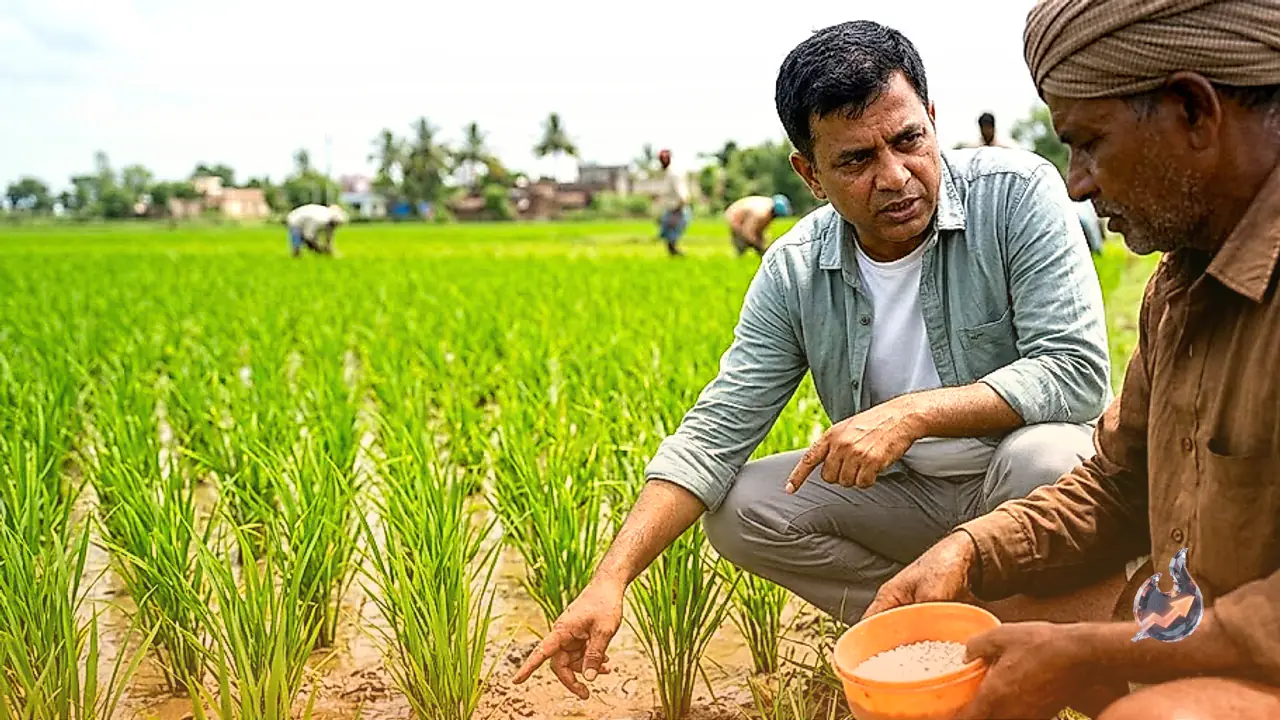
Shiv Shankar Verma, the in-charge officer at the State Agricultural Center in Shivgarh, Raebareli district, emphasizes evaluating the crop's precise development stage before introducing additional fertilizers. Holding a B.Sc. in Agriculture from Dr. Ram Manohar Lohia Avadh University in Faizabad, agricultural officer Shiv Shankar Verma advises that farmers must inspect plant growth prior to the second fertilization round. Typically, this application is most effective around the tillering stage, when plants begin forming multiple tillers and new shoots. He notes that the specific fertilizer dosage and timing depend heavily on soil texture, paddy variety, and basal nutrients previously supplied. Consequently, farmers should avoid applying excess fertilizer without verifying actual crop requirements.
Managing Field Moisture and Rainfall Risks
Evaluating field moisture conditions is vital for ensuring efficient nutrient absorption by paddy plants. Applying fertilizer in deeply flooded fields can cause nutrients to wash away with standing water, preventing the crop roots from absorbing them effectively. Conversely, completely dry soil hinders the proper dissolution and uptake of essential nutrients by the root system. According to the agricultural expert, soil with light, consistent moisture provides the most ideal environment for fertilizer utilization. Furthermore, farmers should monitor local weather forecasts closely before spreading fertilizer. If heavy rainfall is anticipated, fertilizer application should be postponed immediately. Torrential rains cause nutrients to drain out of the field boundaries, inflating production costs for farmers without providing crop benefits. Application should only proceed once rains cease and soil conditions stabilize.
Risks of Excessive Nitrogen Application
Nitrogen serves as a primary nutrient for paddy development, yet over-application carries severe risks for overall crop health. Excessive nitrogen causes plants to grow overly lush, green, and tender, which compromises their structural integrity and natural resilience. This soft growth pattern significantly increases vulnerability to pest infestations, insect attacks, and fungal diseases. Additionally, plants with weakened stems become highly susceptible to lodging, or falling over during high winds and heavy monsoons, which reduces crop quality. Farmers are advised to apply nitrogen-based fertilizers strictly in accordance with actual field needs. Maintaining this discipline during the monsoon season is crucial to prevent unnecessary crop losses and safeguard overall yield.
Weed Control and Scientific Soil Testing
Managing weed growth prior to the second fertilizer application is essential for maximizing nutrient uptake by paddy plants. When fields contain heavy weed infestations, the unwanted weeds actively compete with rice crops for vital soil nutrients, absorbing a substantial portion of the applied fertilizer. Farmers should execute timely weed control measures before top dressing to ensure the crop receives maximum nutritional benefit. Because nutrient profiles vary across different land parcels and soil types, relying on soil testing to determine precise fertilizer requirements is strongly recommended. Consulting the agriculture department or local farm experts helps optimize fertilizer use, encouraging robust crop development and higher agricultural productivity.