
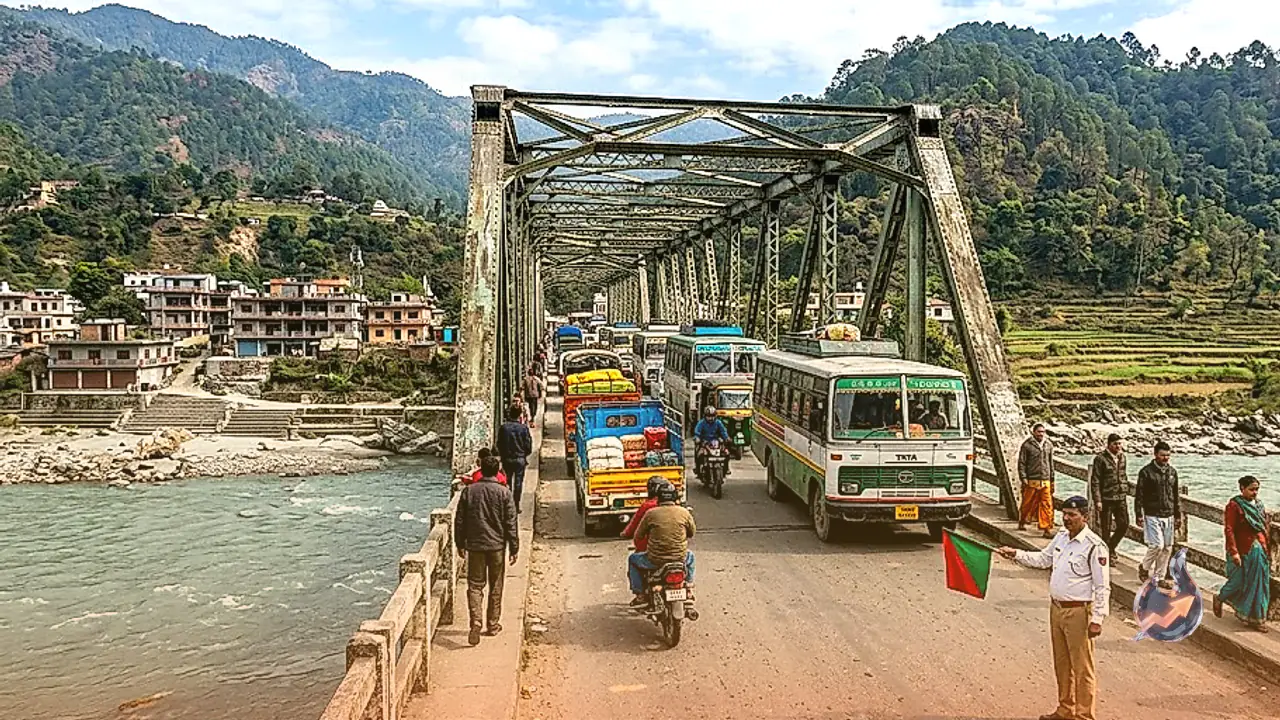














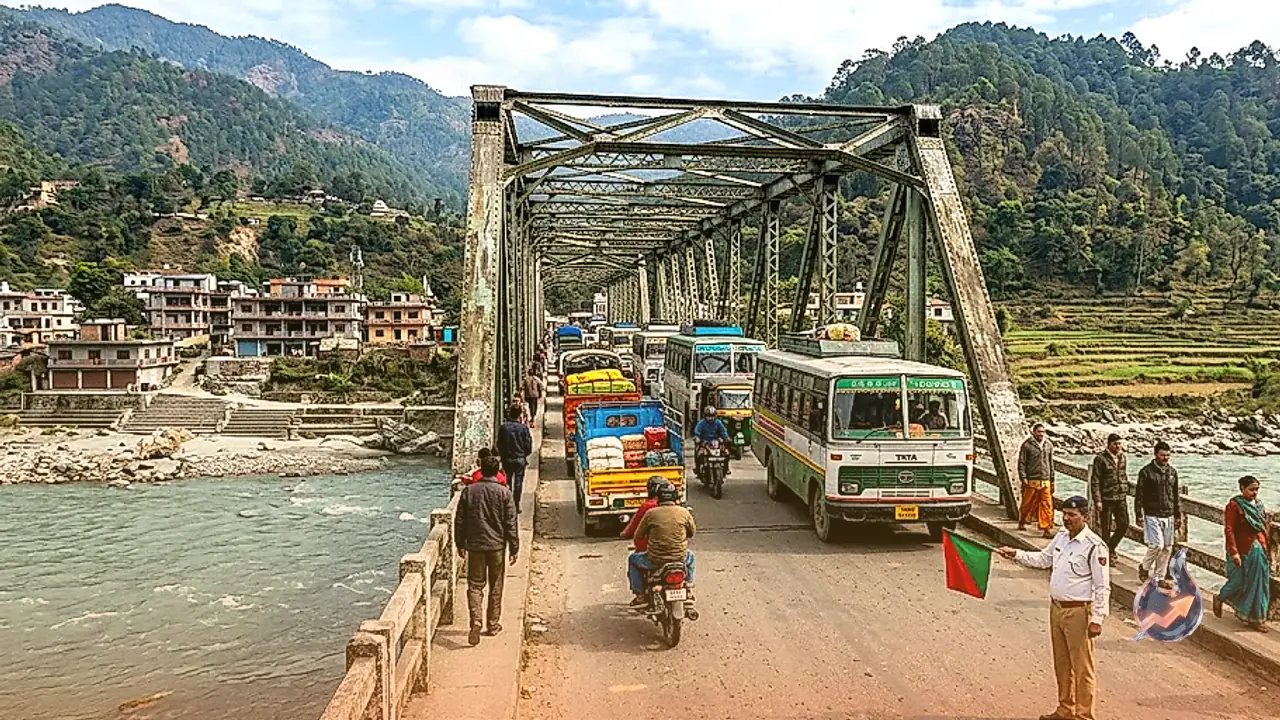

At a time when the durability and longevity of modern infrastructure projects are frequently questioned, an old bridge in Bageshwar is quietly scripting a remarkable tale of resilience. Situated in Bageshwar, a town renowned for the holy confluence of the Saryu and Gomti rivers, the Gomti Motor Bridge over the Gomti River is approximately 60 to 64 years old. Despite crossing six decades of continuous service, the bridge remains an essential transit route for the residents of Bageshwar town and its surrounding regions, highlighting its exceptional build quality.
Construction Triggered by the 1962 War
The construction of the Gomti Motor Bridge took place during the 1960s, a period when infrastructure development and road connectivity in hilly terrain were being aggressively pursued. Sanjay Shah Jagati, a member of the District Citizens Committee, explains that following the 1962 India-China war, an urgent need was felt to reinforce road connectivity in border and mountainous regions. It was during this developmental era that road networks and bridges gained immense importance in hilly areas like Bageshwar, making the Gomti Motor Bridge an integral part of this expansion.
Boosting Local Commerce and Daily Life
After its completion, the bridge made the movement of people and goods from surrounding areas into the Bageshwar market significantly easier, providing a major fillip to local commercial activities. Consequently, the bridge transcended its basic function as a river-crossing path, becoming deeply intertwined with the daily commute and business operations of the local population. Even after all these years, its utility remains unabated.
Managing Heavy Traffic on National Highway 309A
Over the years, the volume of vehicles in Bageshwar has witnessed a substantial surge. Today, the Gomti Motor Bridge functions as a crucial link for traffic running along National Highway 309A. A large volume of light and heavy vehicles traverses this route daily as it cuts through the town, significantly increasing the load on the aging structure compared to earlier times.
The Growing Burden of Heavy Commercial Vehicles
Having stood for over six decades, the bridge now contends with a traffic profile vastly different from its early years. While traffic was once relatively sparse, buses, heavy trucks, freight carriers, and private automobiles now cross it continuously. This relentless movement of heavy vehicles has amplified the physical stress on the historic structure. Experts emphasize that regular technical inspections and timely maintenance of such legacy bridges are imperative to monitor their structural health amidst escalating traffic demands.
Before the current motor bridge was erected over the Gomti River, an older historic bridge existed at the site. Over time, that structure deteriorated and was eventually removed during the 1970s, after which the current motor bridge took over the responsibility of handling traffic. Additionally, the suspension bridge over the Saryu River, constructed in Bageshwar in 1913, stands among the area's oldest landmarks, having surpassed a century of existence and remaining an integral part of the town's heritage.
A Testament to Regional Development
The Gomti Motor Bridge and the old Saryu suspension bridge reflect different eras of infrastructure development and transportation evolution in Bageshwar. While one has facilitated public transit for over six decades, the other exceeds a century in age. The Gomti Motor Bridge remains indispensable to Bageshwar's trade and commuting needs. Ensuring regular inspections and diligent upkeep of such critical legacy bridges will safeguard their structural integrity amidst growing modern traffic.