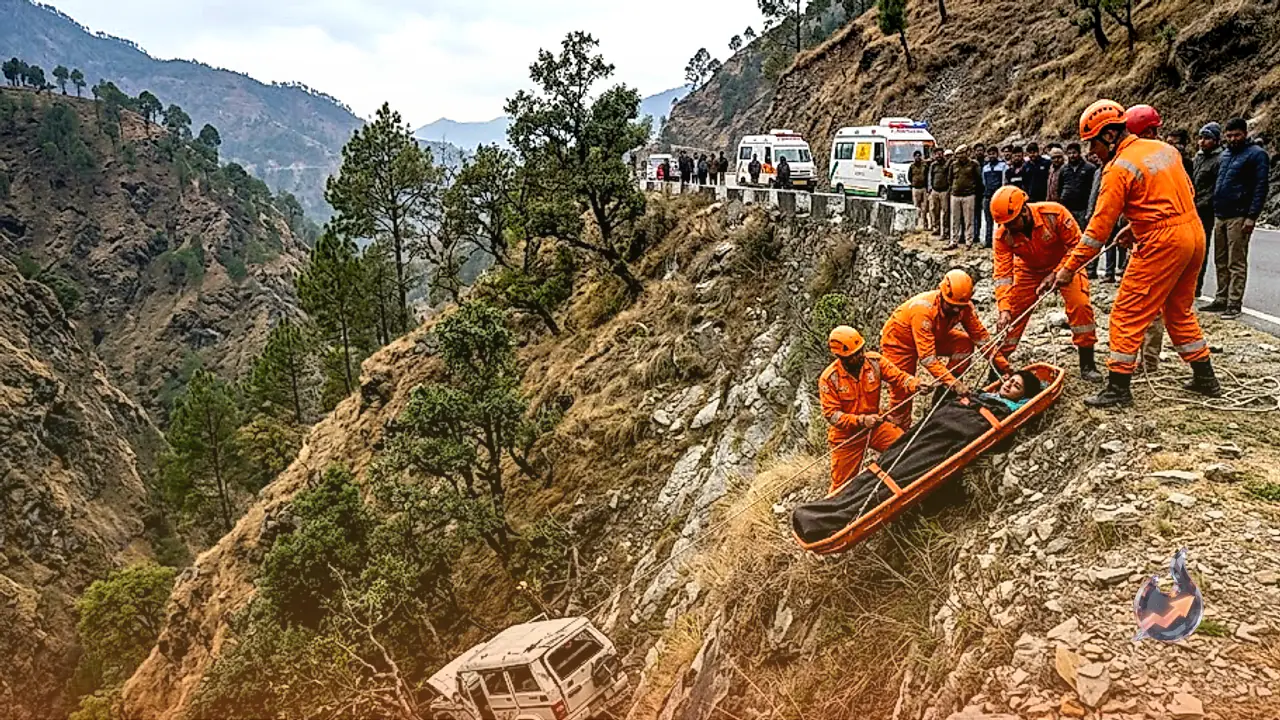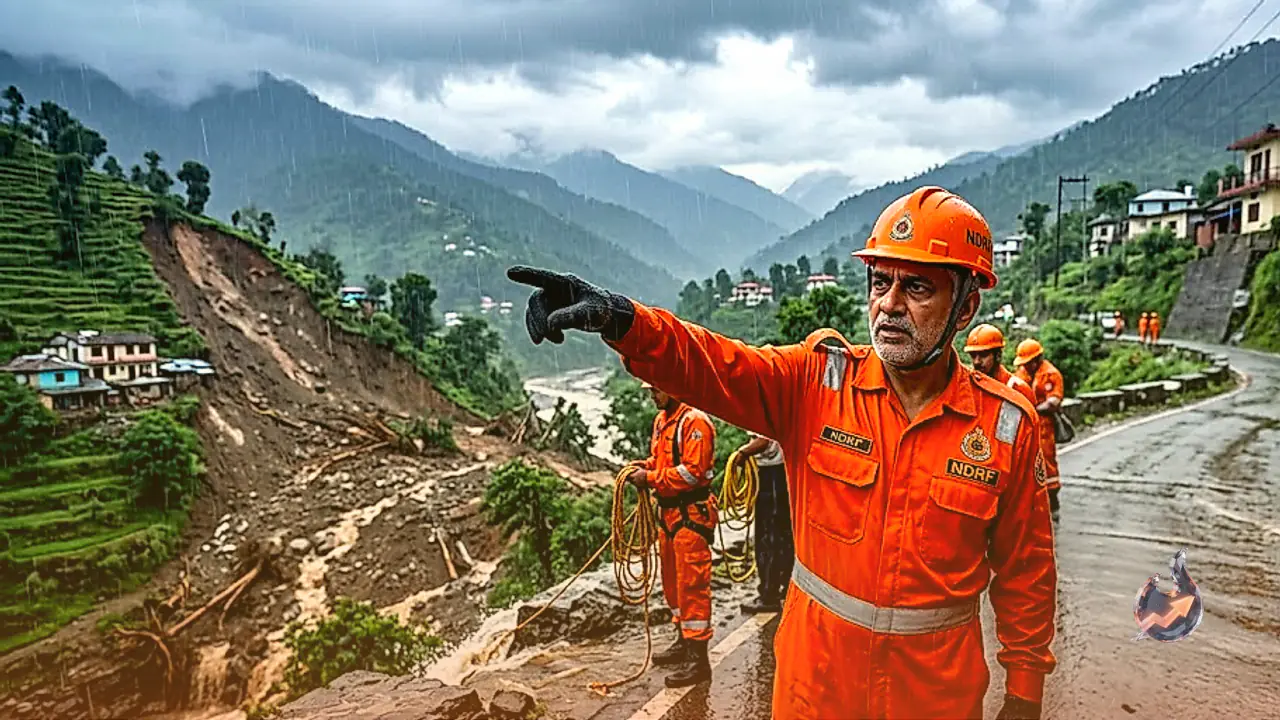





















As Uttarakhand counts down to the monsoon season, residents of Dehradun are contending with a threat that has nothing to do with floods or landslides. The city's historic roads are lined with enormous, ageing trees that have grown dangerously unstable over the decades, and experts warn that the monsoon's heavy rains could send them crashing down on pedestrians, vehicles, and anything else in their path. Pre-monsoon storms have already offered a grim preview of what lies ahead.
The Most Dangerous Stretches
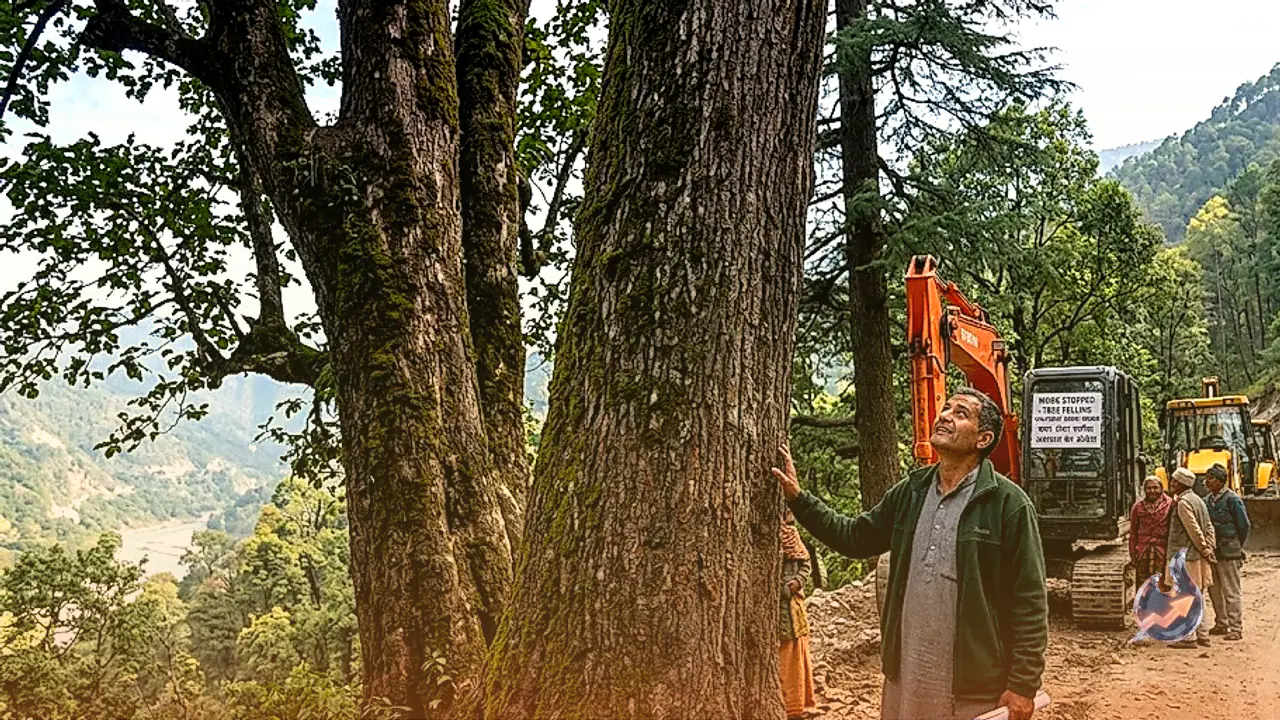
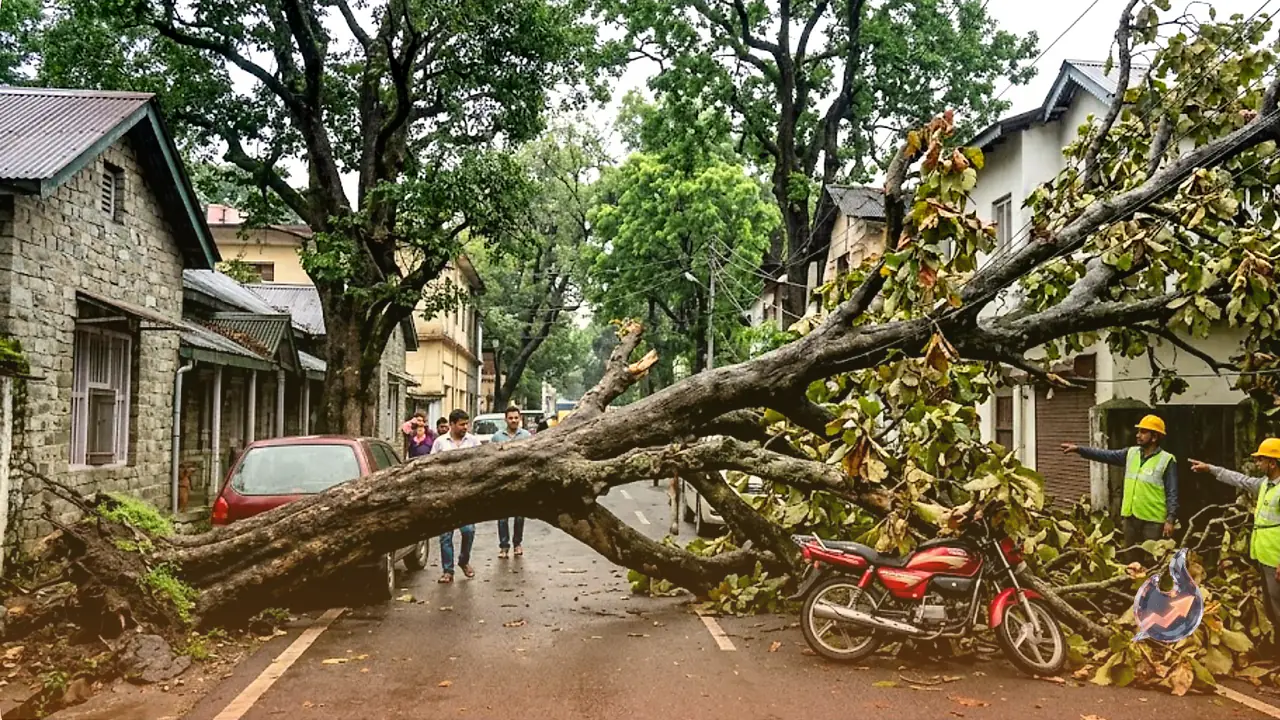
In prominent areas like EC Road, Rajpur Road, Subhash Road, and the Cantt zone, many of Dehradun's oldest trees have long outlived their structural soundness. Years of concrete road and footpath construction have quietly suffocated the root systems of these trees from below, leaving them heavy above ground but hollow and fragile at the base. The consequence is stark: even a moderate gust of wind during a storm is now enough to topple these towering trees. Recent windstorms have already uprooted trees and snapped branches across several parts of the city, halting traffic and leaving vehicles damaged. When the monsoon arrives and the soil becomes thoroughly waterlogged, the risk of further tree falls will multiply considerably.
The problem extends well beyond the central thoroughfares. Raipur, Chakrata, Roadrajpur Road, Premnagar, Johri, and Malsi are among the localities where ageing trees loom as an overhead hazard for residents. Tree-fall incidents have already been recorded in Mussoorie, Paltan Bazaar, and Rajpur Road within just the past few months. In one particularly alarming episode near Rajiv Gandhi Complex, a woman was trapped under a fallen tree. Dehradun's tree cover has already thinned considerably over the years, but many of the trees that remain are in a precarious and potentially lethal condition.
Experts Urge Action Before the Rains
Dehradun-based environmentalist Kuldev Singh Negi told TrendKia that the Nagar Nigam and the Forest Department each have a responsibility to survey and address trees within their respective jurisdictions, because weakened, dilapidated trees invite accidents. Negi said that any tree appearing structurally unsound and at risk of falling during the rains should be dealt with before the monsoon begins. Where possible, lopping and pruning can reduce the load and bring the tree to a manageable state. In cases where a tree is too far deteriorated, it should be removed entirely and replaced with new saplings, which would contribute to a safer and greener city in the long run.
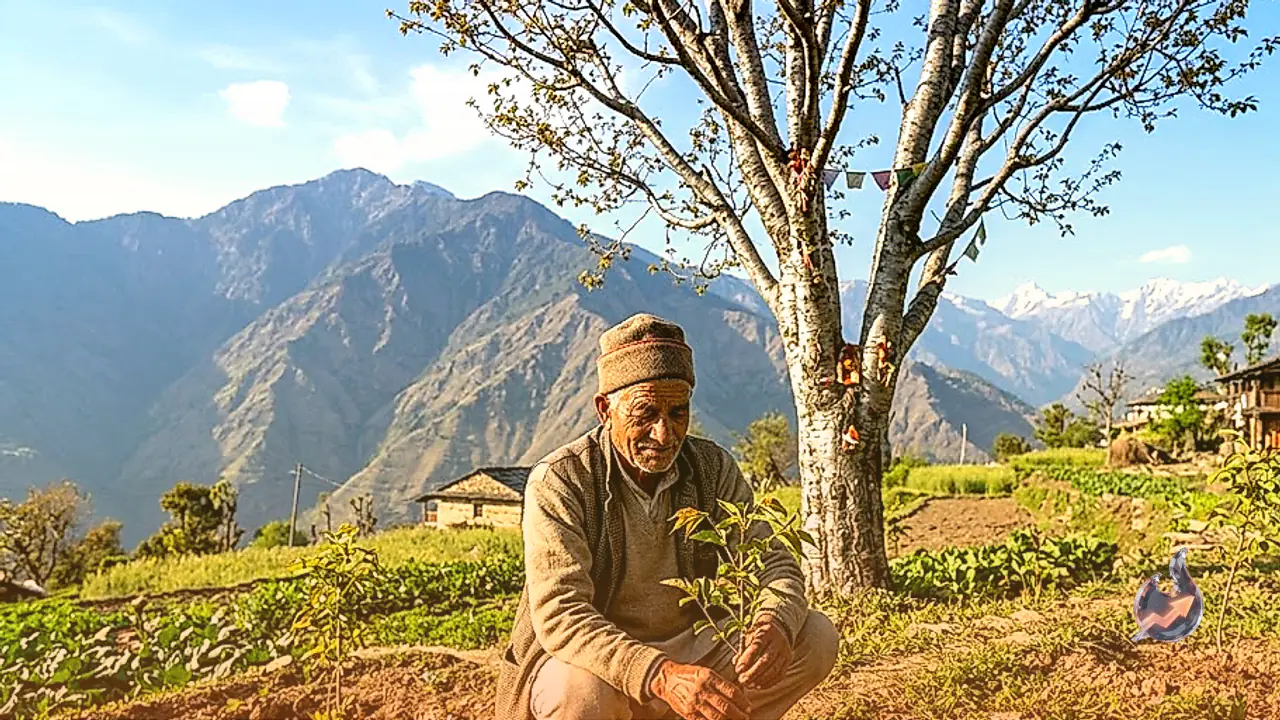
Negi also noted that the monsoon season is actually the best time to plant new trees, as the rainfall and moisture help young saplings take root and survive. He pointed to the Cantonment area, where he lives, as an example of how periodic tree inspections and proactive branch removal by the local administration can keep the risk in check. He said this model of regular maintenance should become standard practice for all relevant departments across the city.
Nagar Nigam Says It Is Prepared
Dehradun Municipal Commissioner Alok Kumar Pandey stated that the Dehradun Nagar Nigam is fully geared up for the monsoon season. A control room has been established within the Nagar Nigam premises to coordinate emergency response during weather events. Pandey also shared that a proposal has been submitted to the administration for 7 electric chainsaw machines, which would enable crews to handle hazardous trees quickly and efficiently across the city once approved.