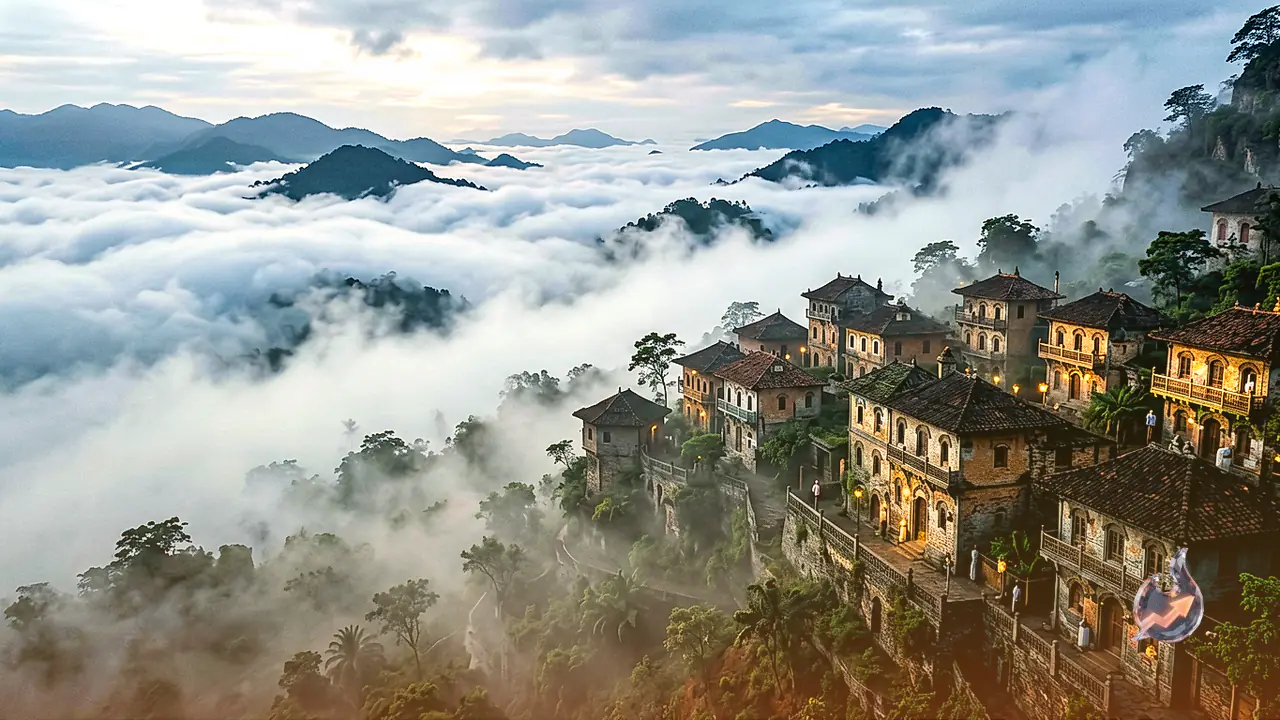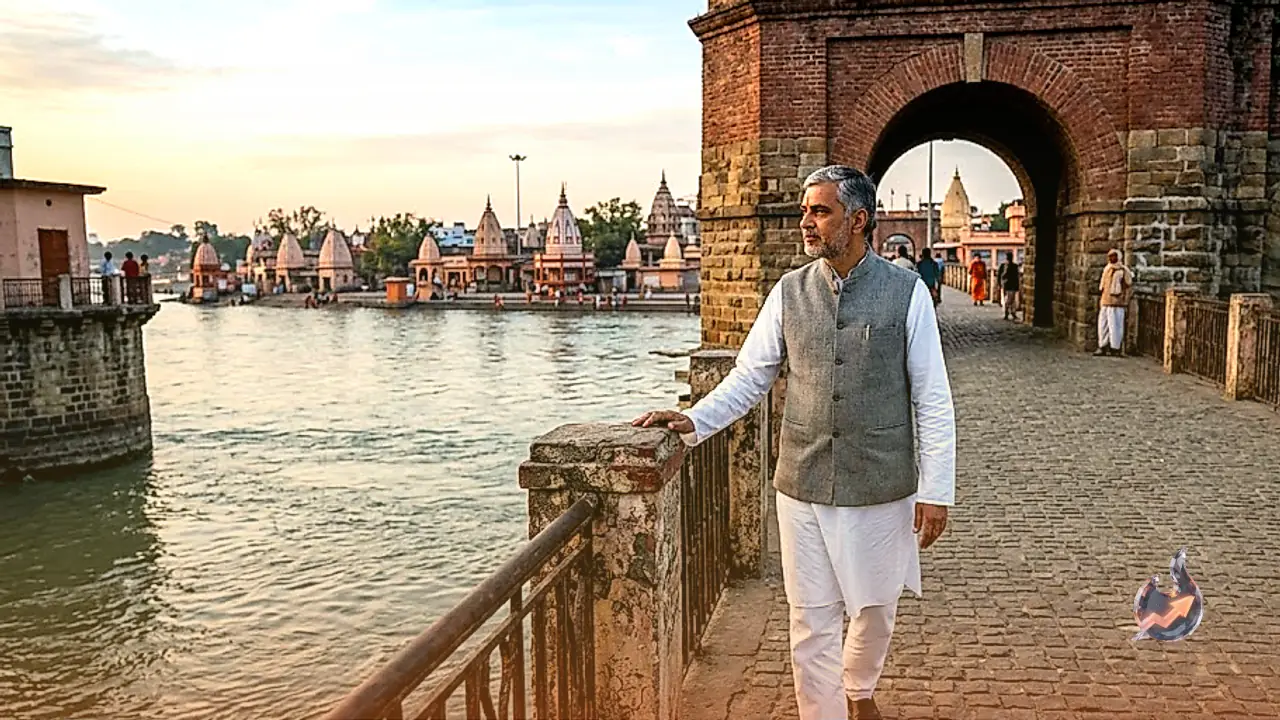















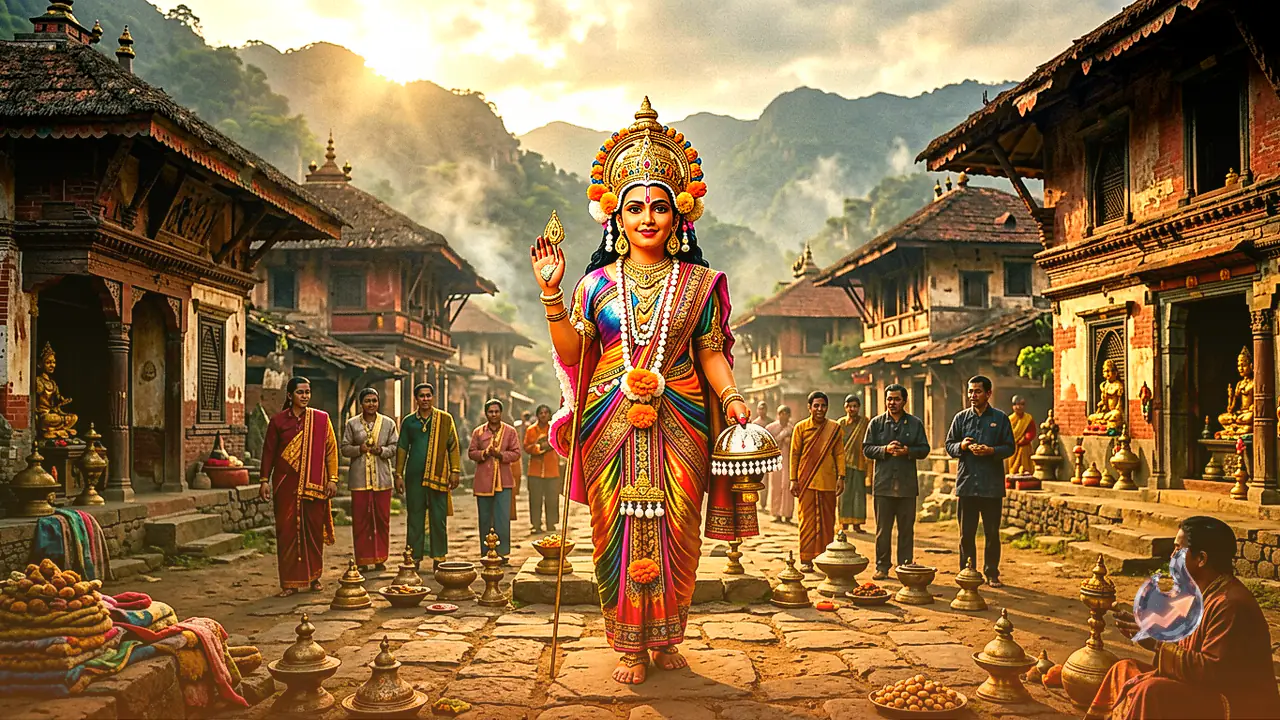

The veneration of Goddess Nanda Devi holds a paramount position within the rich cultural tapestry and spiritual heritage of Uttarakhand. Across the mountainous expanse of this Himalayan state, Goddess Nanda is revered not merely as a divine deity, but with the intimate affection accorded to a daughter of the hills. While the annual Nanda Devi Mahotsav is widely celebrated through the iconic grand fairs of Nainital and Almora, devotion to the goddess extends far beyond these urban centers into tranquil hill towns and remote border villages across both the Kumaon and Garhwal regions. Each destination brings its own distinct traditions to the festivities, ranging from elaborate cultural carnivals to quiet, community-driven rituals.
Grand Fairs and Cultural Pageantry in Nainital and Almora
In Nainital, the Nanda Devi Festival stands as a cornerstone of Kumaoni cultural identity. Set against the serene backdrop of the lake city, the celebration honors Goddess Nanda and Goddess Sunanda through multi-day rituals and vibrant stage performances. Key highlights include the ritual installation of sacred statues, ceremonial street processions, illuminated temple grounds, and soulful renditions of traditional folk music. The festive atmosphere attracts thousands of local residents alongside domestic and international tourists, offering visitors an immersive experience into the living heritage of the mountain state.
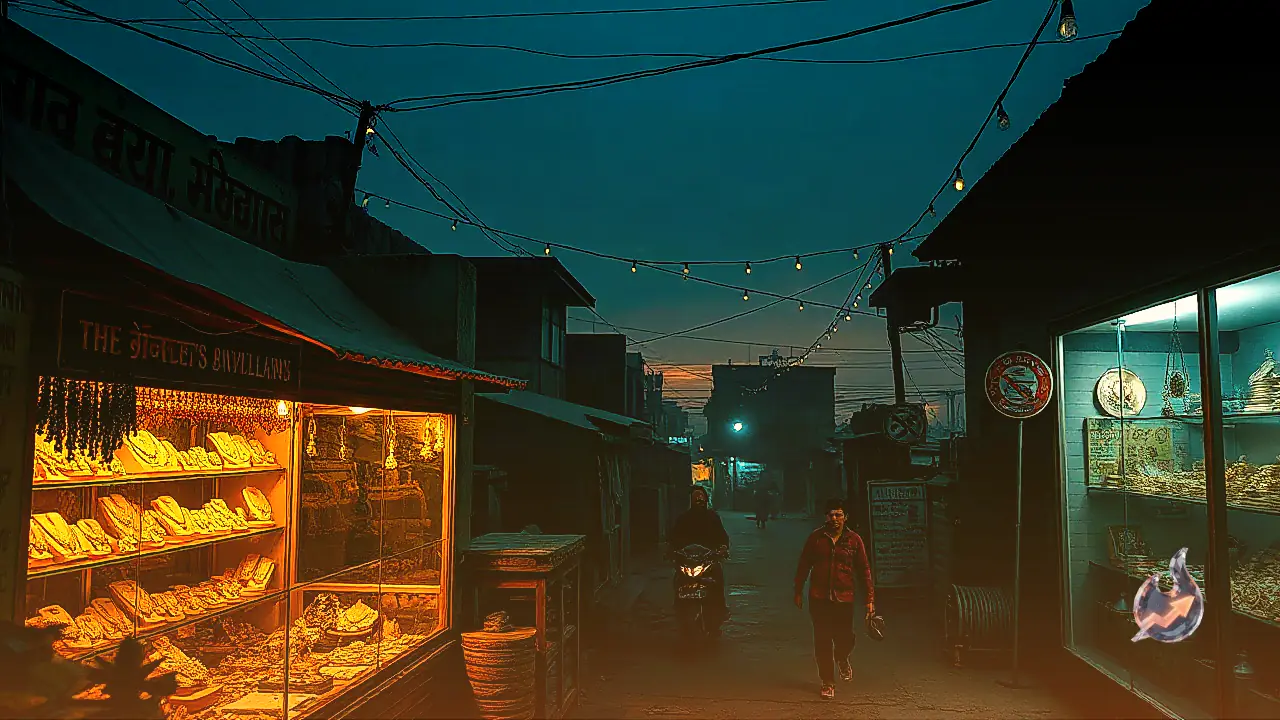
Equally prominent is the historical celebration in Almora, considered one of the oldest religious gatherings in Uttarakhand. The historic Nanda Devi Temple in Almora serves as the focal point for devotees throughout the region. During the festival, the temple complex and surrounding ancient market streets come alive with specialized prayers, traditional rituals, and vibrant folk arts. Traditional tableaux, energetic Chholiya dance performances, and local folk artists showcase the depth of Kumaoni artistic traditions amidst Almora's historic architecture and alpine landscape.
Quiet Devotion Amidst Scenic Vistas in Bhawali and Kausani
Situated in Nainital district, the township of Bhawali maintains a deeply rooted spiritual bond with Goddess Nanda Devi. Festival observances here are characterized by strong community involvement and heartfelt local participation. Residents gather to perform time-honored rituals, offering prayers for health, prosperity, and peace within their households. Framed by pine-covered hills, Bhawali's serene natural setting elevates the spiritual tone of these gatherings, helping sustain local heritage across generations.
In Bageshwar district, the hill station of Kausani—renowned for its panoramic views of the high Himalayan peaks—observes traditions dedicated to Goddess Nanda with solemn reverence. Rather than staging large-scale commercial fairs, Kausani focuses on intimate, localized worship of Goddess Nanda and Goddess Sunanda. Devotees offer prayers amidst dense forests of oak and deodar pine, where the echoes of traditional hymns create a peaceful atmosphere against the backdrop of snow-capped mountains.
Sacred Garhwal Traditions: Karnaprayag, Nauti Village, and Chamoli
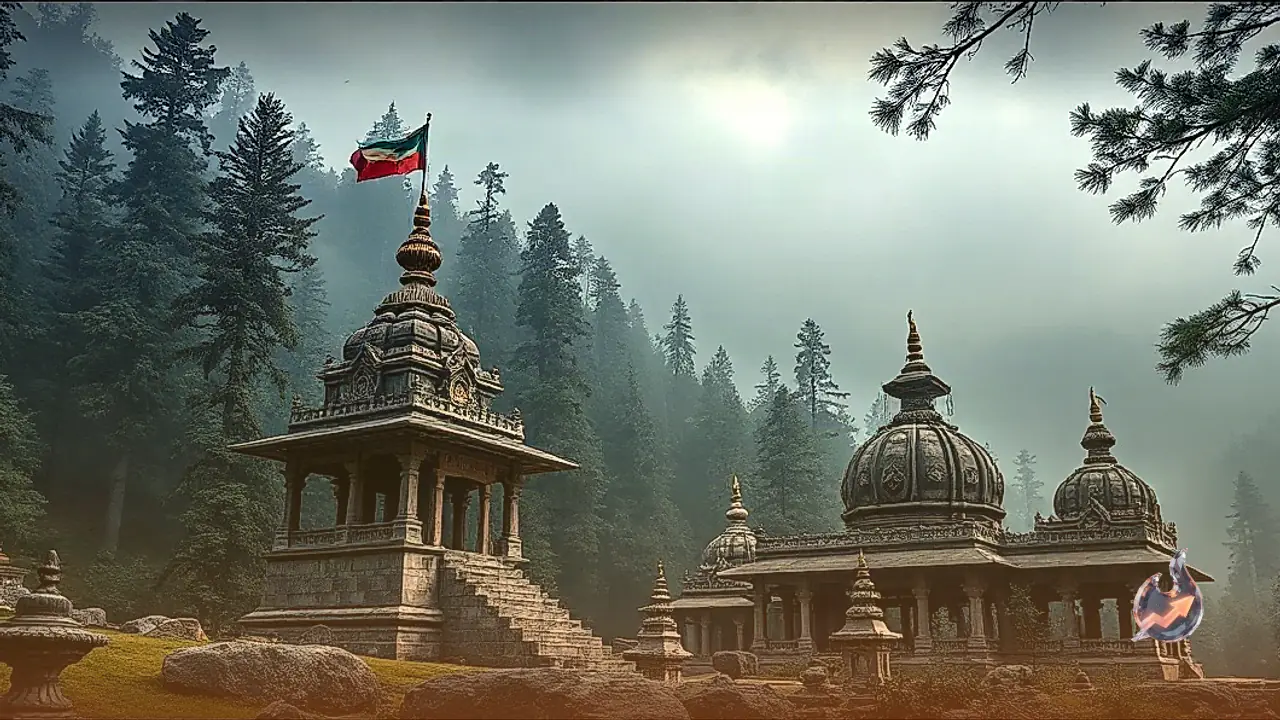
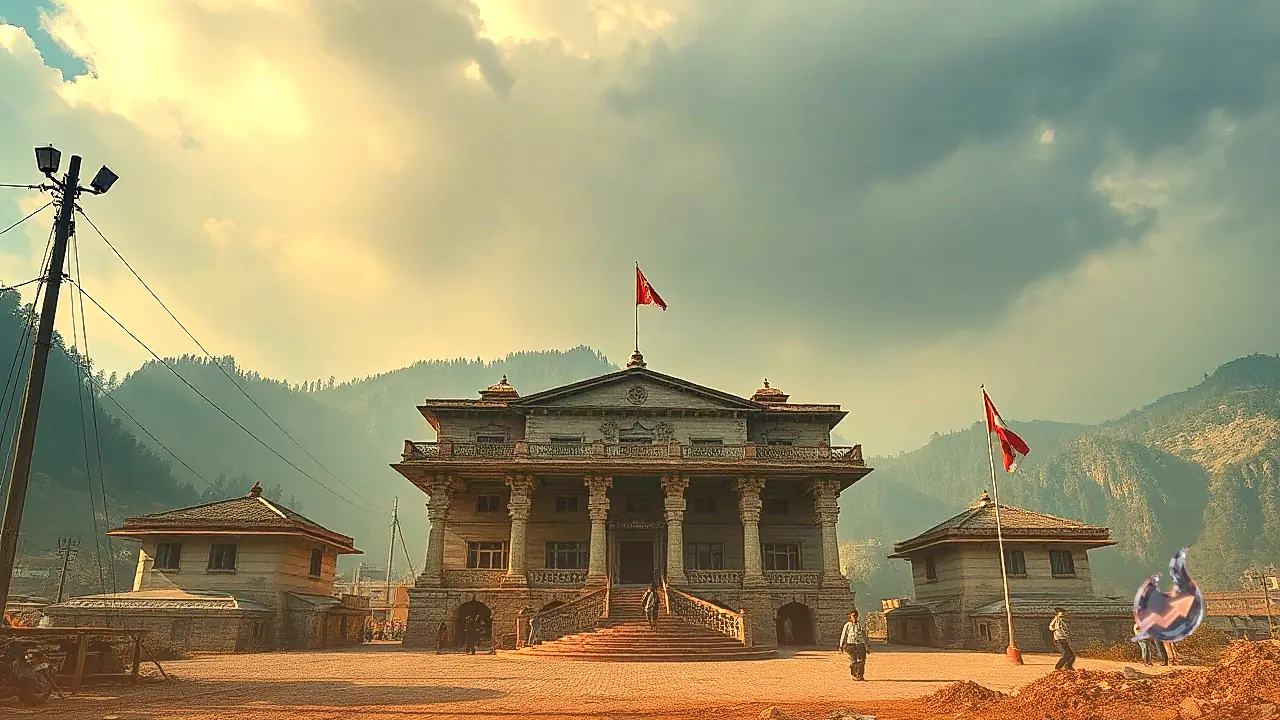
In the Garhwal region, Chamoli district serves as the heartland of devotion to Goddess Nanda Devi. Karnaprayag, situated at the sacred confluence of the Alaknanda and Pindar rivers, plays a vital role in these regional rituals. Devotional practices here are woven into daily life and local folklore. Nearby lies Nauti village, a site of monumental significance as the traditional starting point for the historic Nanda Devi Raj Jat Yatra. This pilgrimage is regarded not merely as a religious journey, but as an invaluable cultural legacy preserved over centuries.
Chamoli as a whole is recognized as the principal abode of Nanda Devi traditions. Faith in the goddess shapes village culture, oral storytelling, and regional customs. The historical Nanda Raj Jat pilgrimage has brought global recognition to the region's spiritual heritage. Alongside ritual worship, traditional folk songs such as Jagar and folk dances like Thadiya remain vibrant parts of community life, ensuring that centuries-old Garhwali heritage remains active today.
Preserving Himalayan Heritage and Connecting Generations
The varied expressions of Nanda Devi worship across different geography reflect the unique cultural diversity of Uttarakhand. While cities like Nainital and Almora showcase grand celebrations that gather large crowds, destinations like Chamoli, Karnaprayag, Bhawali, and Kausani preserve solemn folk traditions and quiet devotion. Beyond religious rituals, the festival serves as a platform for mountain arts, featuring traditional attire, indigenous musical instruments like the dhol-damau, regional dances, and ancient customs.
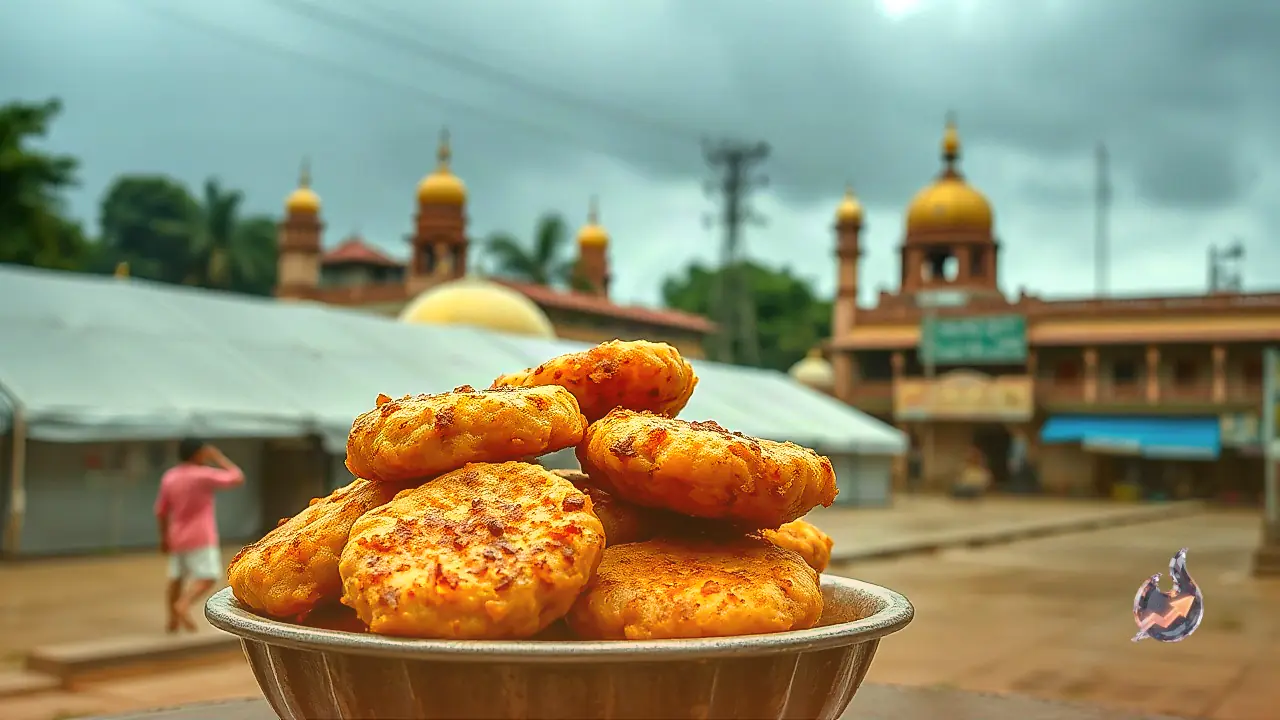
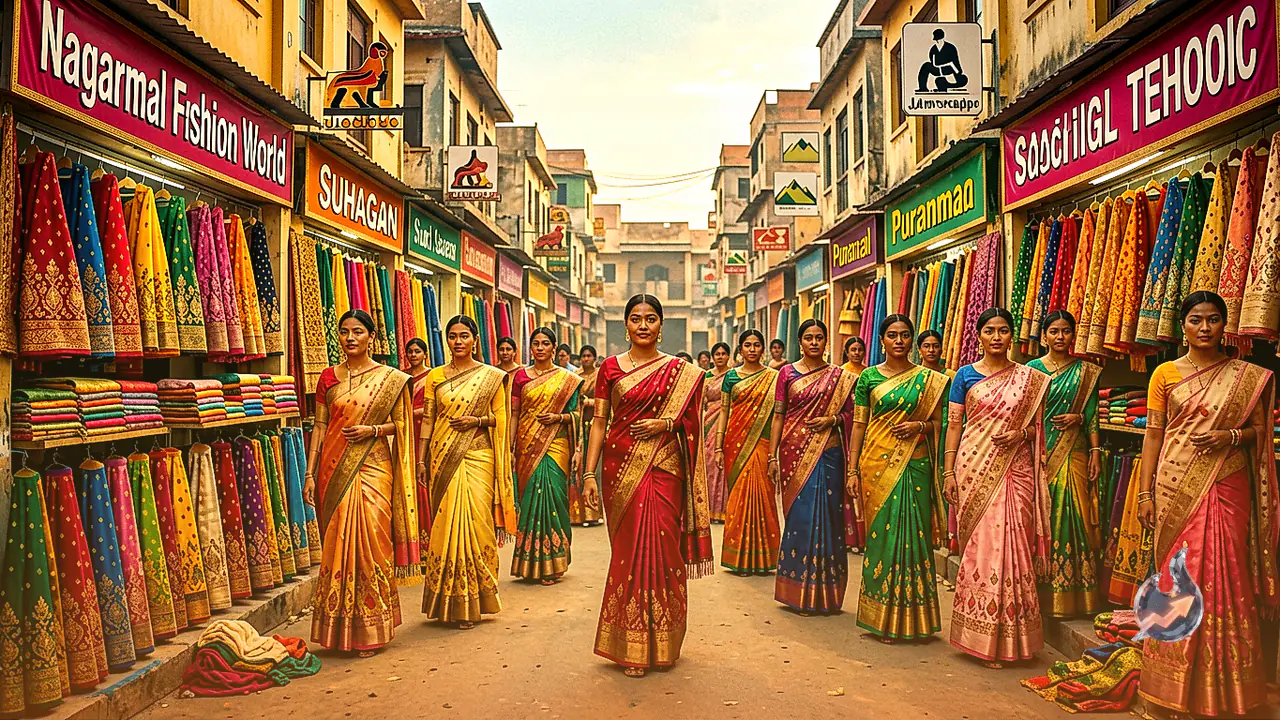
Temporary local markets popping up during the festivities showcase regional handicrafts and traditional hill cuisine, drawing enthusiastic visitors. Importantly, these annual gatherings provide younger generations with a direct connection to their roots, history, and ancestral customs. Consequently, the Nanda Devi Festival functions as both a sacred observance and a major cultural celebration, reinforcing the heritage and pride of Uttarakhand.