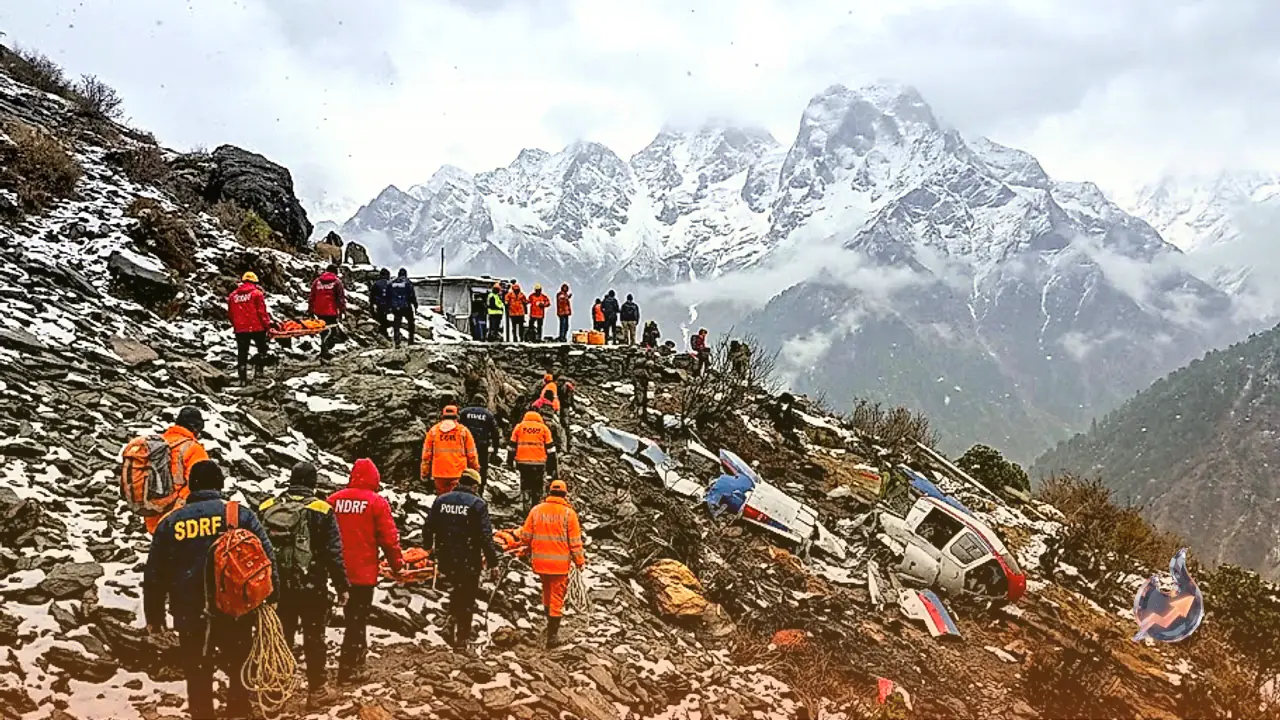






















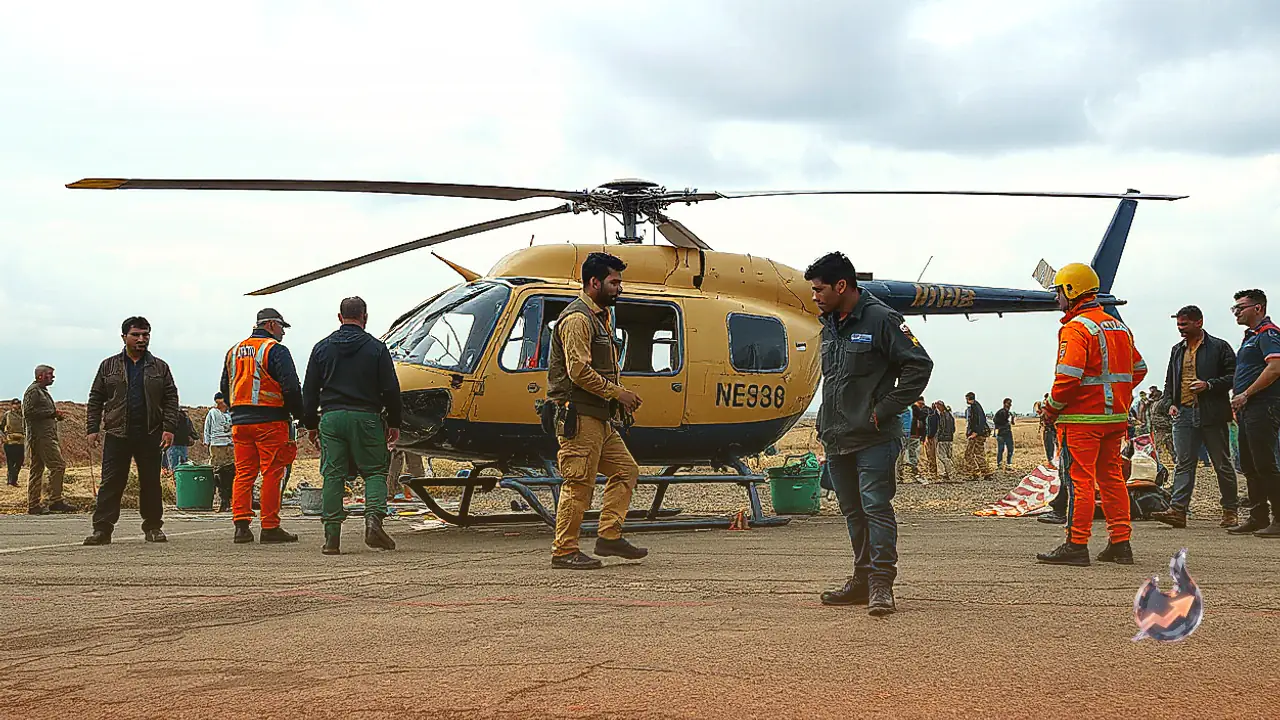

A fatal helicopter crash in Uttarakhand's Chamoli district has triggered intense scrutiny over operational safety protocols and weather-related clearance procedures. The helicopter, operated by Trans Aviation, was carrying five passengers and one pilot when it crashed, leaving all 6 occupants dead. The incident occurred during an active 48-hour orange alert issued by the meteorological department, accompanied by heavy snowfall across high-altitude terrain, raising critical questions about why clearance was granted under severe conditions.
Technical Investigation Underway as Teams Search for the Black Box
Specialist investigation units from the Directorate General of Civil Aviation, or DGCA, alongside the Aircraft Accident Investigation Bureau, or AAIB, arrived at the crash site on Saturday to conduct a thorough technical evaluation. Working alongside the Chamoli district administration, the investigation teams carried out an extensive survey of the rugged, difficult terrain to determine whether mechanical failure or weather conditions contributed to the disaster.
A critical missing element in the inquiry remains the aircraft's black box, which has not yet been recovered from the site. Aviation safety experts note that the flight data and cockpit voice recordings contained within the black box are essential for reconstructing the sequence of events leading up to the impact. Until this flight recorder is located and analyzed, establishing the conclusive facts of the tragedy remains a significant challenge.
Aviation Authority Responds to Scrutiny Over Weather Clearance
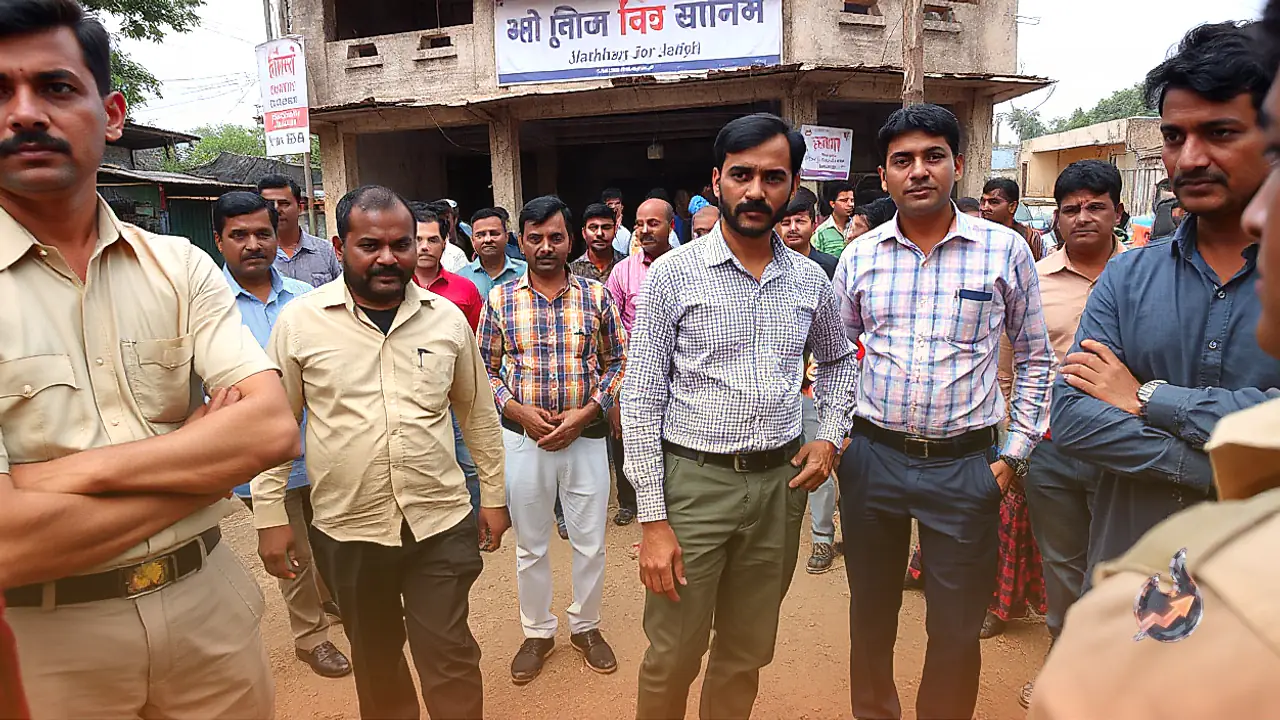
The decision to permit the flight has brought the Uttarakhand Civil Aviation Development Authority, or UCADA, under close examination. UCADA Chief Executive Officer Pratik Jain was present on the ground in Chamoli alongside administrative personnel to oversee preliminary assessments. In response to mounting concerns regarding the clearance decision, Jain stated that atmospheric conditions were continuously tracked prior to takeoff.
According to Pratik Jain, adverse weather had already led authorities to suspend all helicopter operations from the morning until 12:00 PM. He explained that flights were cleared only after a temporary clearance in weather conditions was observed in the afternoon. However, given the broader meteorological warnings and the prevailing mountain conditions, questions persist regarding whether the window of clearance was sufficient for safe passage.
Accountability and the Path Forward for Himalayan Aviation
The tragic loss of six lives has intensified discussions regarding regulatory compliance and the strict enforcement of safety margins in Himalayan air corridors. Public attention remains focused on whether operational pressures influenced the decision to fly despite known hazards. The final findings of the DGCA and AAIB investigations, alongside the recovery of the black box, are expected to play a decisive role in defining accountability and tightening flight approval standards in fragile mountain environments.