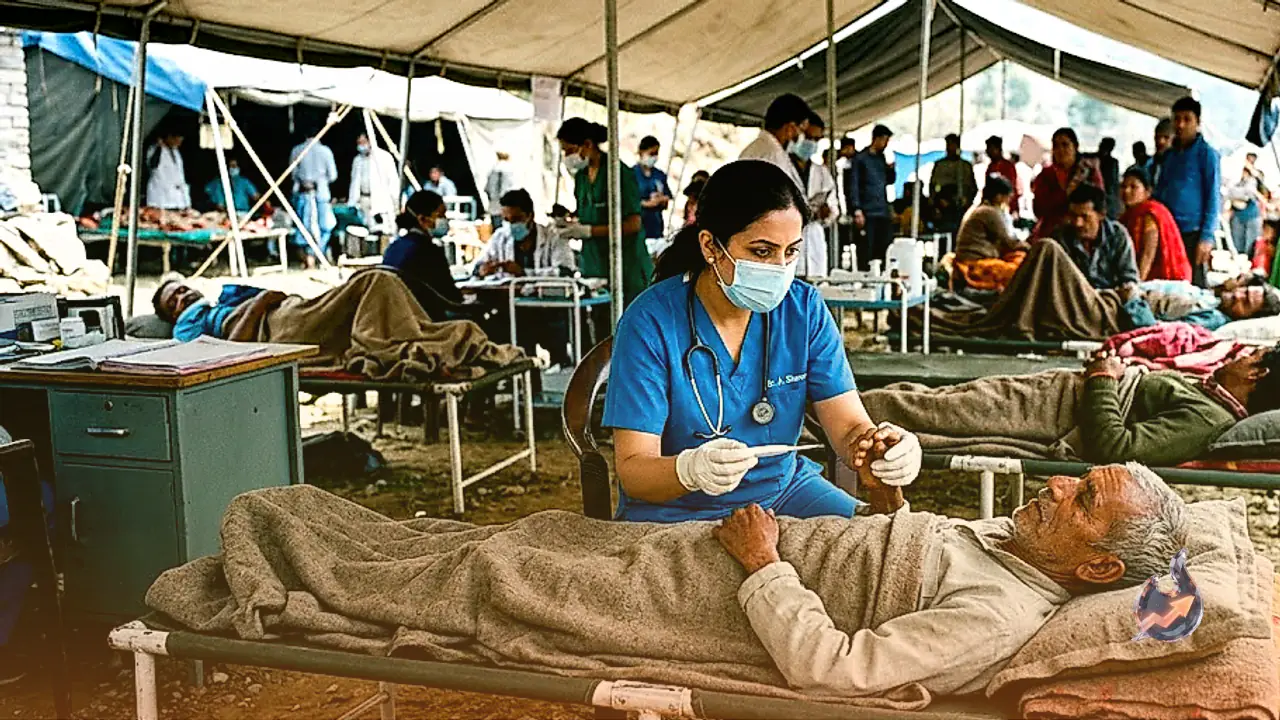


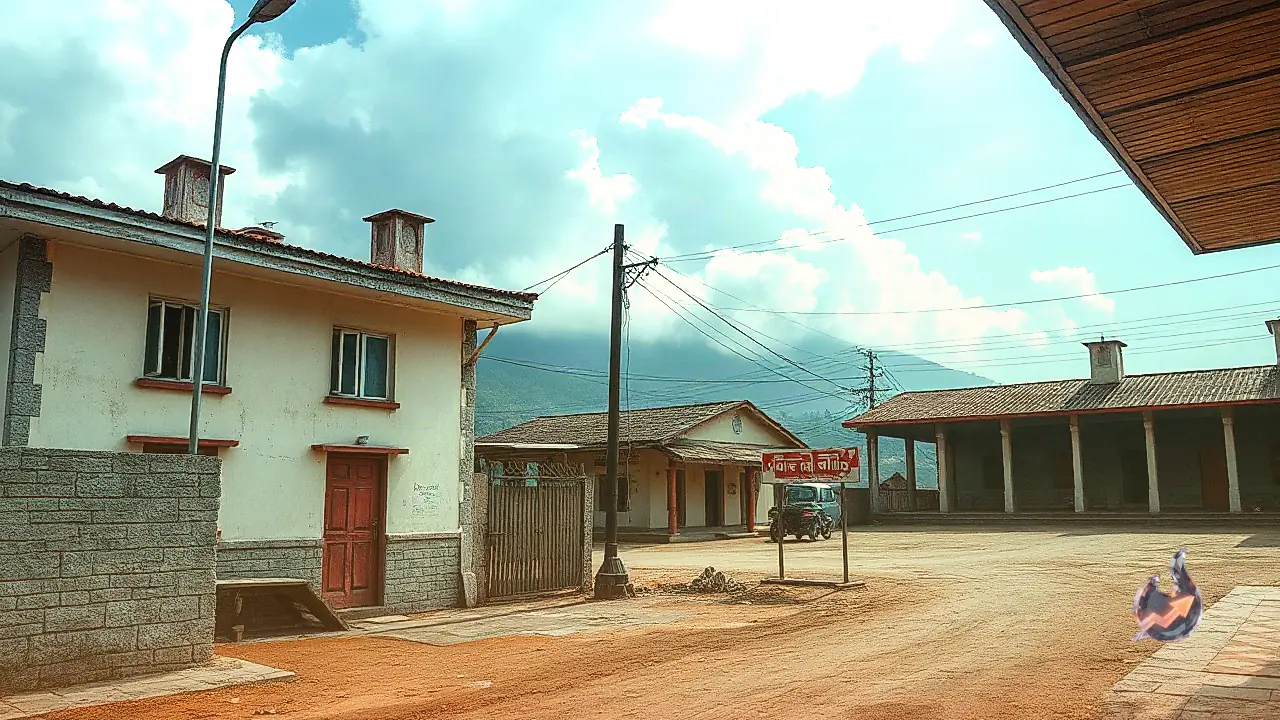

















In mountain regions, contracting a severe illness is rarely just a physical battle; it often transforms into an exhausting struggle against inadequate medical facilities, financial constraints, and the complete lack of timely healthcare. Recent deaths in the Jholikot area of Nainital district have laid bare these grim realities. Ritesh Jeena, a 16-year-old resident of Sadiatal village in the Ganja region, lost his life following a severe stomach-related illness. Concurrently, 26-year-old Neema Joshi from the same locality also passed away during medical treatment. These dual tragedies have triggered widespread panic while raising serious questions about the region's crumbling health and drinking water infrastructure. Ritesh's relatives recount that his ordeal began with a simple stomach ache, prompting the family to rush him to Matrix Hospital in Haldwani. Emergency medical staff administered initial treatment and put him on a drip; once he seemed slightly better, the family brought him home, only for his health to deteriorate sharply shortly thereafter. Speaking about the incident, Ritesh's aunt Shobha Jeena shared that his condition worsened abruptly on the day of Rakshaबंधन, leading the family to take him back to the hospital, where doctors advised consulting a specialist in gastroenterology. Consequently, Ritesh was taken to Neelkanth Hospital in Haldwani for treatment under Dr. Gaurav Singhal.
Delhi Hospital Transfers and Astronomical Treatment Costs
According to the family, as Ritesh's medical condition grew increasingly critical, they were advised to shift him to Delhi for advanced care. Although the family managed to take him to Delhi, their hardships only multiplied. Ritesh's cousin Rohit Jeena stated that they approached several major medical institutions, including AIIMS and ILBS, attempting to secure immediate admission, but were turned away everywhere. He alleged that the private hospital in Haldwani where Ritesh was initially treated had noted in his medical file that his organs and liver had completely failed and sustained irreversible damage, which caused several top hospitals to refuse his case. Following intensive efforts, he was admitted to a hospital in Delhi, where doctors informed the family that an urgent liver transplant was required.
The Struggle for Funds and Ventilator Support
Shobha Jeena explained that hospital authorities demanded an advance deposit of roughly 40 lakh rupees, estimating the total treatment cost to be between 1 and 1.5 crore rupees. Arranging such a colossal amount was practically impossible for the modest family; nevertheless, desperate to save the child's life, they considered selling their jewelry and breaking their fixed deposits. Shobha Jeena emphasized that money was secondary to their singular goal of keeping the child alive, yet they faced endless bureaucratic hurdles just to secure hospital admission. Eventually, after strenuous efforts, Ritesh was admitted to Ram Manohar Lohia Hospital, but only after waiting nearly six hours for a bed. This prolonged delay caused his condition to deteriorate further, forcing doctors to place him on a ventilator, where he ultimately lost his battle for survival despite exhaustive medical interventions.
Family Grievances and Infrastructure Concerns
Rohit Jeena described Ritesh not merely as an uncle's son, but as someone dearer than a real brother, noting that the teenager was exceptionally bright in his studies. In Rohit's view, had Ritesh received prompt and accurate medical intervention in time, he might still be alive today. The grieving family is not only mourning the loss of their child but is also demanding answers as to why his initial symptoms were not taken seriously and why proper treatment was delayed. Rohit also raised critical concerns regarding the area's faulty sewage and drinking water systems, alleging that an overflowing sewage plant in the locality had contaminated the surroundings. The family questioned who was responsible for monitoring the facility and why it was not repaired in time, noting that several other villagers remain ill.
Following these recurring medical emergencies, the health department has issued a high alert across the Jholikot region. Chief Medical Officer Dr. Rashmi Pant released a video statement confirming that specialized medical teams are closely monitoring the area. ASHA workers have been given strict instructions to conduct door-to-door surveys to assess public health and immediately report any suspected patient to the department. Jholikot block pramukh Dr. Harish Bisht stated that health complications in the area began surfacing in the final week of June. He noted that initial cases of diarrhea and vomiting have now escalated to severe typhoid and jaundice, posing massive questions about both medical infrastructure and water supply management. In a meeting with local representatives, it was resolved that any sick villager will be transported to a hospital immediately, while installation of water filters at local water sources has begun alongside the distribution of chlorine tablets door-to-door.
The fatalities in Jholikot have left the community grappling with the fundamental question regarding the root cause of these illnesses. Authorities are investigating whether contaminated drinking water is to blame, whether negligence in sewage management triggered the crisis, or if another pathogen is responsible. Definitive answers will only emerge once thorough investigations conclude. For now, one family has lost its brilliant 16-year-old son, and another has lost a mother to two young daughters, leaving everyone to ponder whether a timely intervention could have saved Ritesh's life.