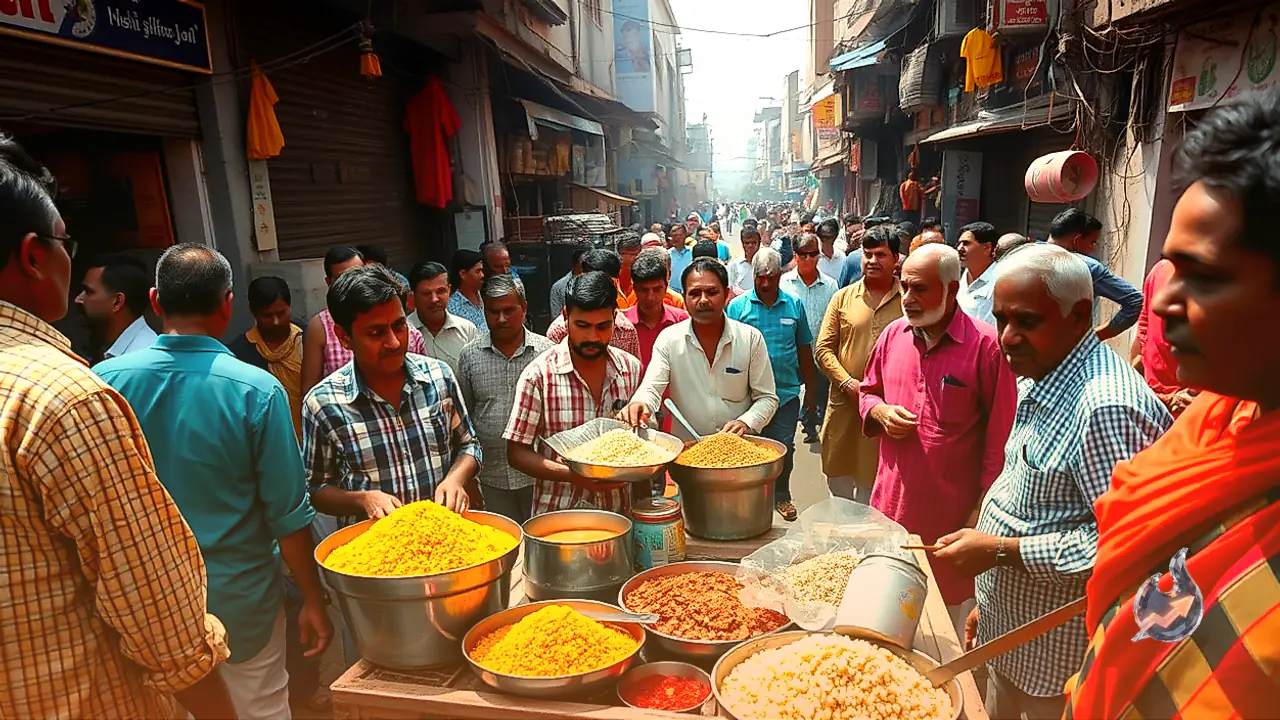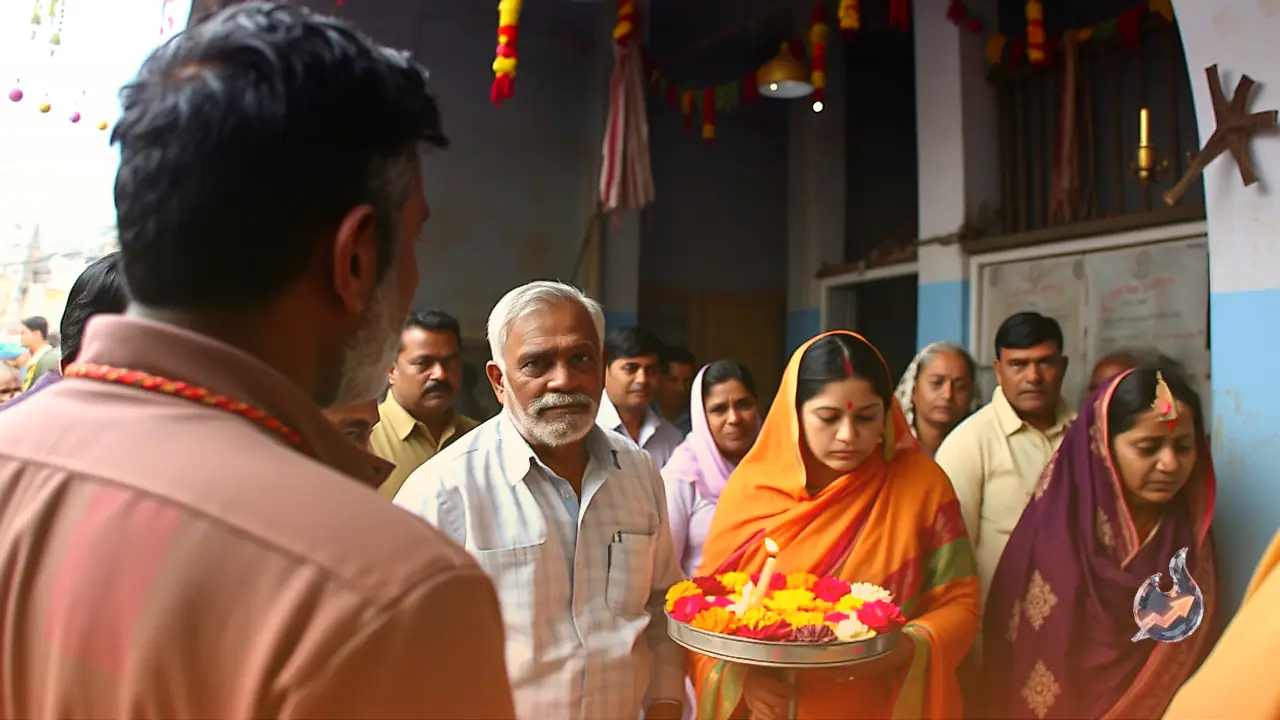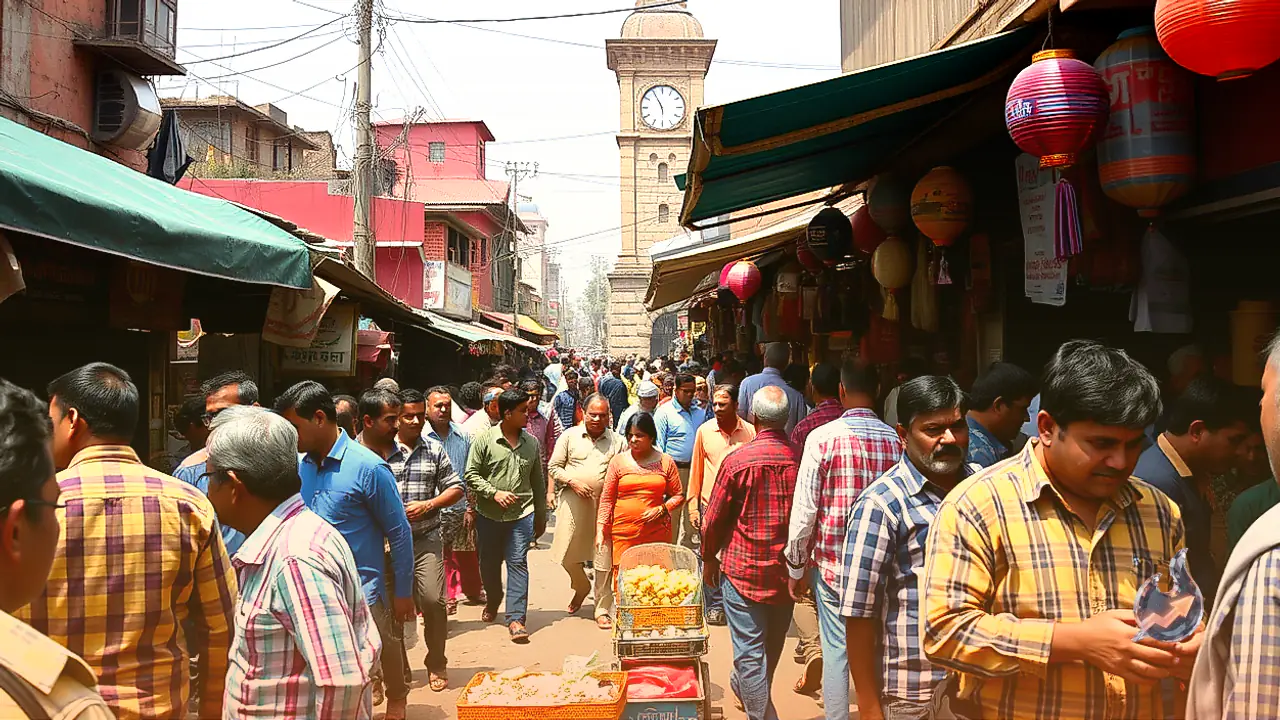

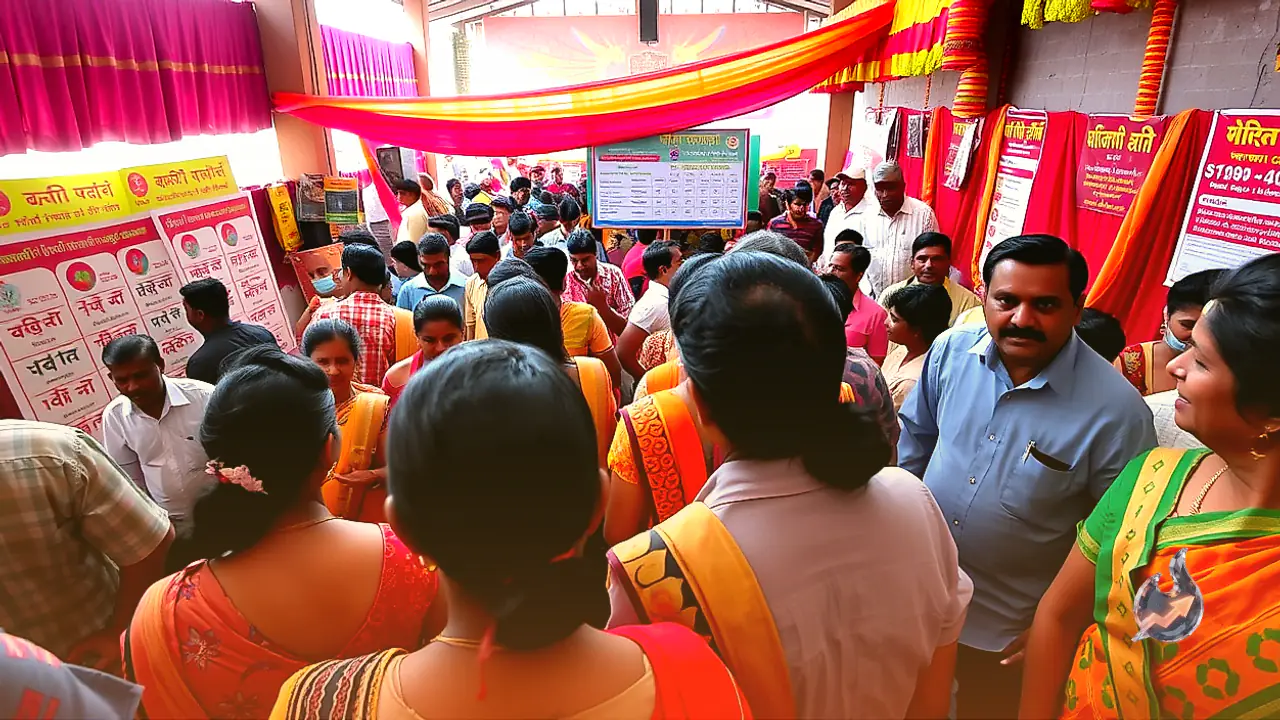



















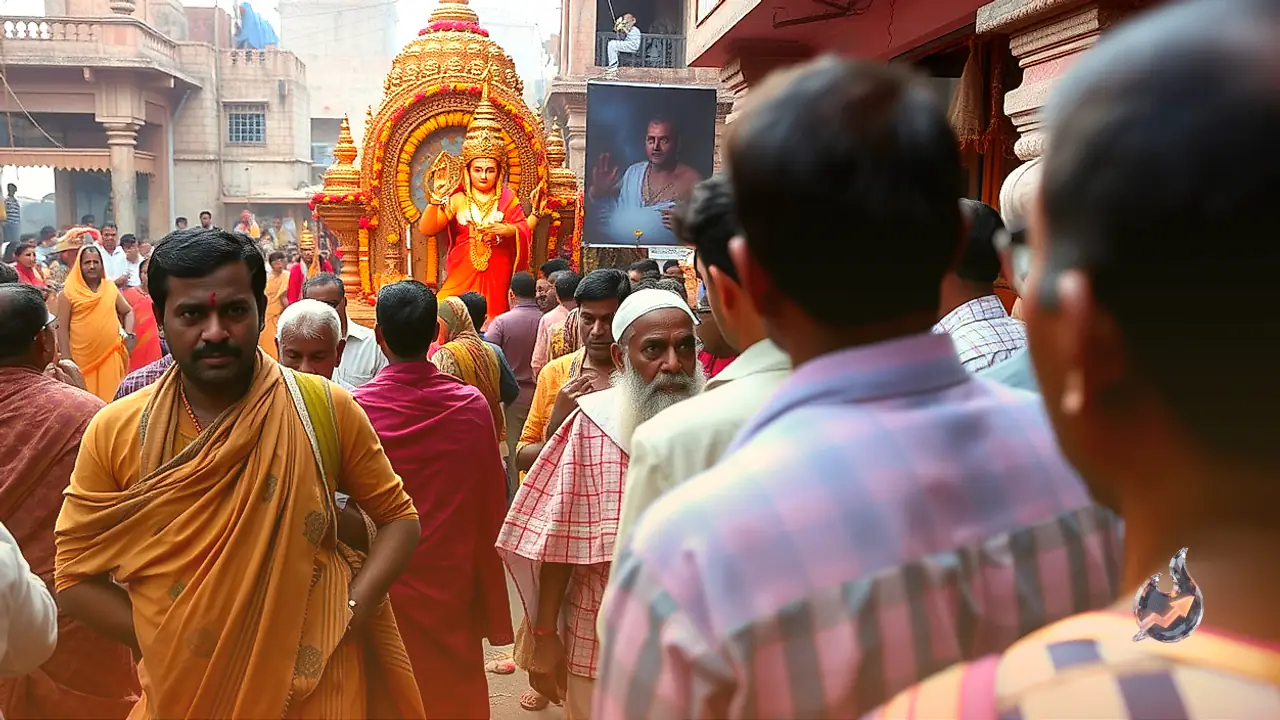

Devotees are gathering at sacred sites across Haridwar to perform memorial rites for their departed ancestors during the ongoing Pitru Paksha period, which spans from Bhadrapada Purnima to Ashwin Amavasya. These sacred rituals, collectively known as Shraddha, are observed to show deep gratitude toward forebears and to bring eternal peace to wandering souls. Among the most revered pilgrimage destinations dedicated to ancestral liberation, the ancient Narayani Shila in Haridwar holds a paramount spiritual position.
Significance of Narayani Shila Across Sacred Texts
Several ancient Hindu scriptures, including the Skanda Purana, Vayu Purana, and Garuda Purana, emphasize that Shraddha, Tarpan, and Pind Daan offered at this sacred rock release departed ancestors from the cycle of rebirth and grant them ultimate salvation. While Gaya and Badrinath are renowned for memorial offerings, the religious prominence of Haridwar Narayani Shila is considered supreme during the 16 days of Pitru Paksha.
According to scriptural traditions, the divine feet of Lord Vishnu reside in Gaya, whereas His forehead is manifested in Badrinath. In contrast, the sacred Narayani Shila in Haridwar represents the divine chest area of Lord Vishnu, extending from His throat down to His navel. Because this site embodies the Lord's divine heart, any sacred water offerings and ceremonial balls of food presented here directly reach Lord Vaikunthanatha.
Liberation from Tormented States and Spiritual Rites
Manoj Tripathi, the head priest of Narayani Shila, explains that religious scriptures revere the rock as the direct embodiment of Lord Vishnu from throat to navel. He notes that when ancestors remain trapped in restless, tormented spirit states or lower realms, performing traditional Pind Daan at Narayani Shila with proper Vedic procedures invokes Lord Vishnu's grace to deliver them into eternal peace.
Spiritual Blessings Across Ancestral Lineages
According to Manoj Tripathi, performing ancestral rites at Narayani Shila with complete devotion and purity during the Mahalaya fortnight relieves 100 generations of the paternal lineage and 100 generations of the maternal lineage from ancestral afflictions. The ancestors from both families attain spiritual contentment and higher realms, while the descendants conducting the rituals receive virtuous blessings, prosperity in daily life, and the promise of salvation.