
















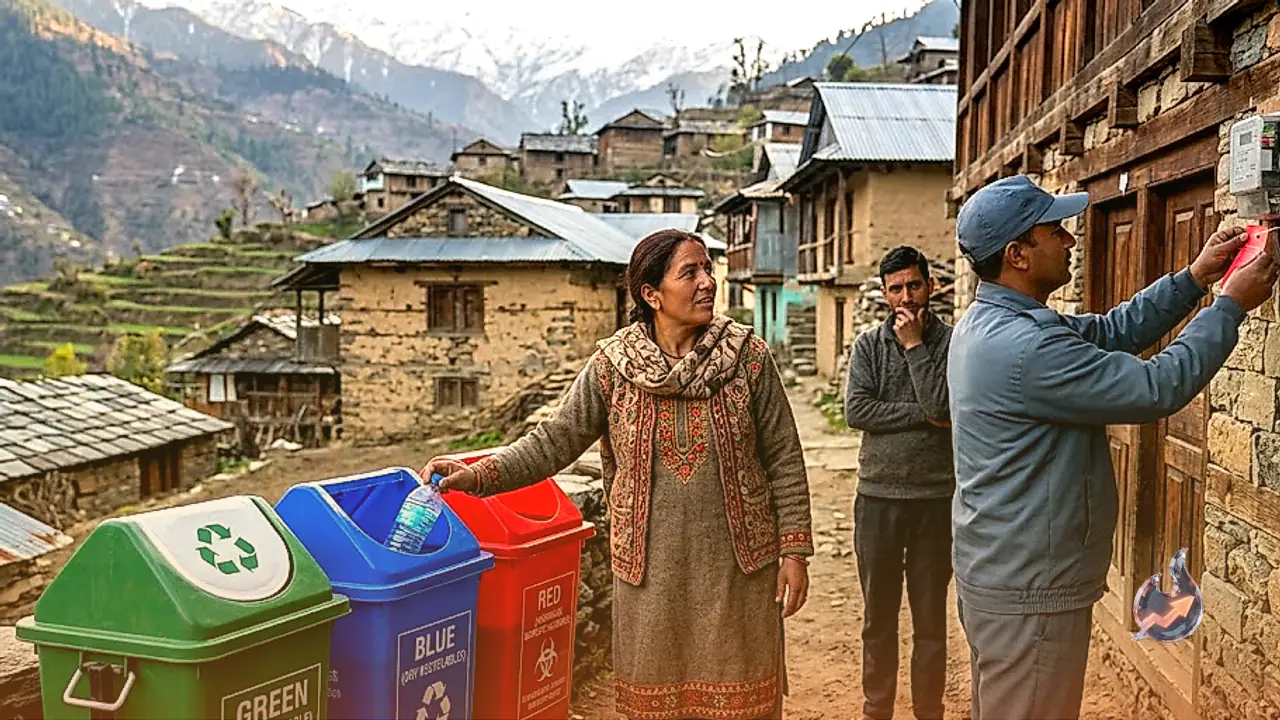

Authorities in Himachal Pradesh have introduced stringent measures to revamp waste handling across the state. Under the Solid Waste Management Rules 2026, every citizen, commercial establishment, and institutional setup generating trash is now legally required to separate garbage into designated categories right at the point of origin. Individuals and entities failing to comply with these waste disposal standards face punitive repercussions, including the suspension of essential public utilities such as water and electricity supplies.
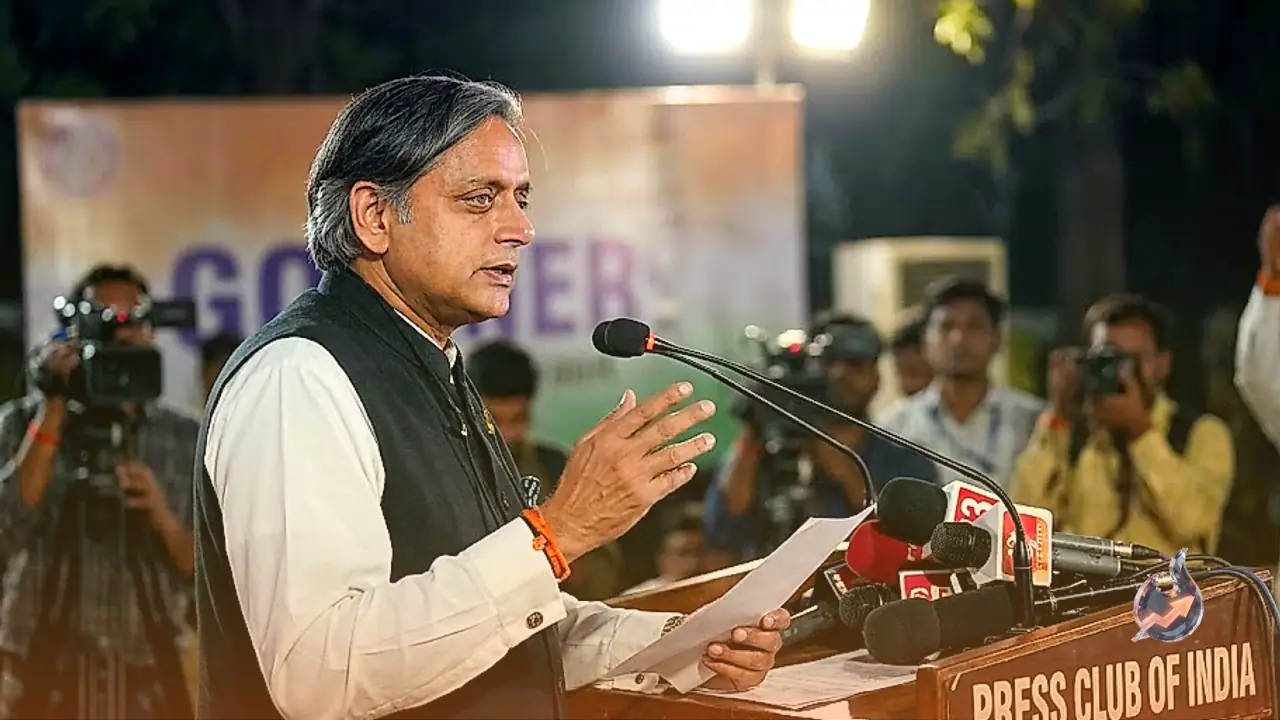
During a press interaction held in Shimla, State Pollution Control Board Member Secretary Sushil Kumar Singla emphasized that municipal sanitation is no longer solely the responsibility of street cleaners or urban local bodies. He pointed out that every resident and commercial entity that creates garbage must actively participate in managing it to protect the vulnerable Himalayan ecosystem and water channels.
Mandatory Separation Across Four Prescribed Categories
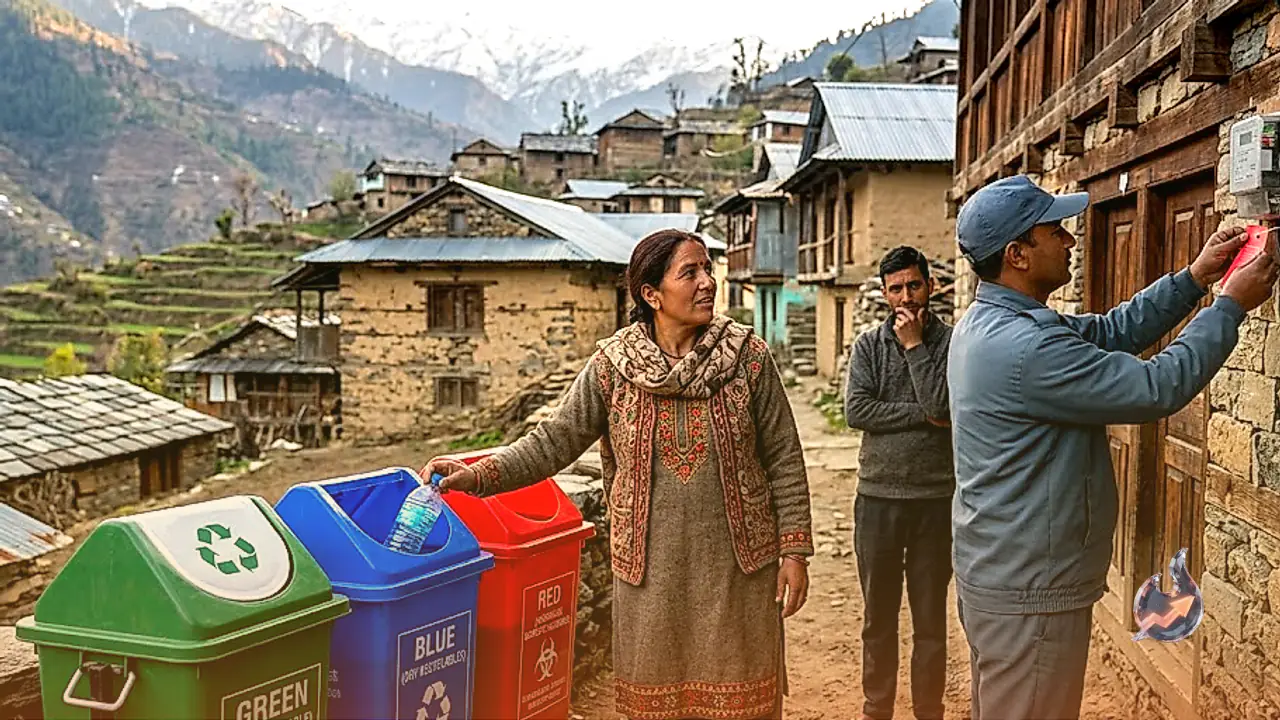
Under the enforced guidelines, all generated waste must be systematically segregated into four distinct categories before collection. These include wet organic refuse, dry recyclable materials, sanitary waste comprising items like diapers and sanitary pads, and special care waste which encompasses CFL bulbs, expired medicines, syringes, and used batteries. The legal burden of dividing these materials rests entirely on the waste generator rather than collection workers.
The directives explicitly prohibit disposing of trash into drains, dumping debris into natural rivers, burying waste underground, or burning refuse out in the open. The primary administrative objective remains ensuring scientific processing through complete segregation directly at the source.
Six-Week Window for Bulk Waste Generators
Hotels, resorts, hospitals, educational campuses, and other large commercial properties classified as bulk waste generators will now face close administrative scrutiny. Officials have designated a strict six-week timeline to identify all such high-volume facilities across districts. Facilities that fail to implement compliant on-site sorting mechanisms within this period risk immediate punitive actions, with disconnection of their municipal water lines and electricity meters explicitly authorized under the enforcement policy.
To embed these environmental protocols into everyday domestic routines, school students are being mobilized across the state as household survivors. These young ambassadors will lead community awareness initiatives within their respective households and neighborhoods to achieve total compliance with waste segregation. Concurrently, environmental authorities are installing physical trash barriers and metal mesh screens along stormwater channels to intercept drifting debris before it contaminates rivers and freshwater streams.
Administrative Monitoring Framework and Judicial Context
The institutional mechanism driving this drive was established on 9 April 2026, when the Himachal Pradesh government set up specialized state-level and district-level oversight committees. These monitoring bodies are charged with conducting inspections and supervising operational compliance across jurisdictions, running alongside public awareness initiatives organized in partnership with the Swachh Bharat Mission.
Providing legal context, Sushil Kumar Singla explained that on 18 August 2026, the Supreme Court issued critical directions concerning systematic waste handling. Following these court directives, concrete instructions were issued by the Pollution Control Board alongside the Supreme Court Empowered Monitoring Committee. Although these comprehensive rules officially came into force on 1 April 2026, enforcement is now tightening equally across urban municipalities, rural villages, private commercial centers, and public government institutions. Compliance at the source is now a strict legal imperative for every resident.