






















A flowering shrub that had effectively vanished from Indian botanical records since the early 1800s has been rediscovered in the Bongaigaon district of Assam. This remarkable finding brings to light a species that has eluded scientists and researchers in the country for more than two centuries, marking a major milestone for regional biodiversity documentation.
Gauhati University Researchers Lead the Survey
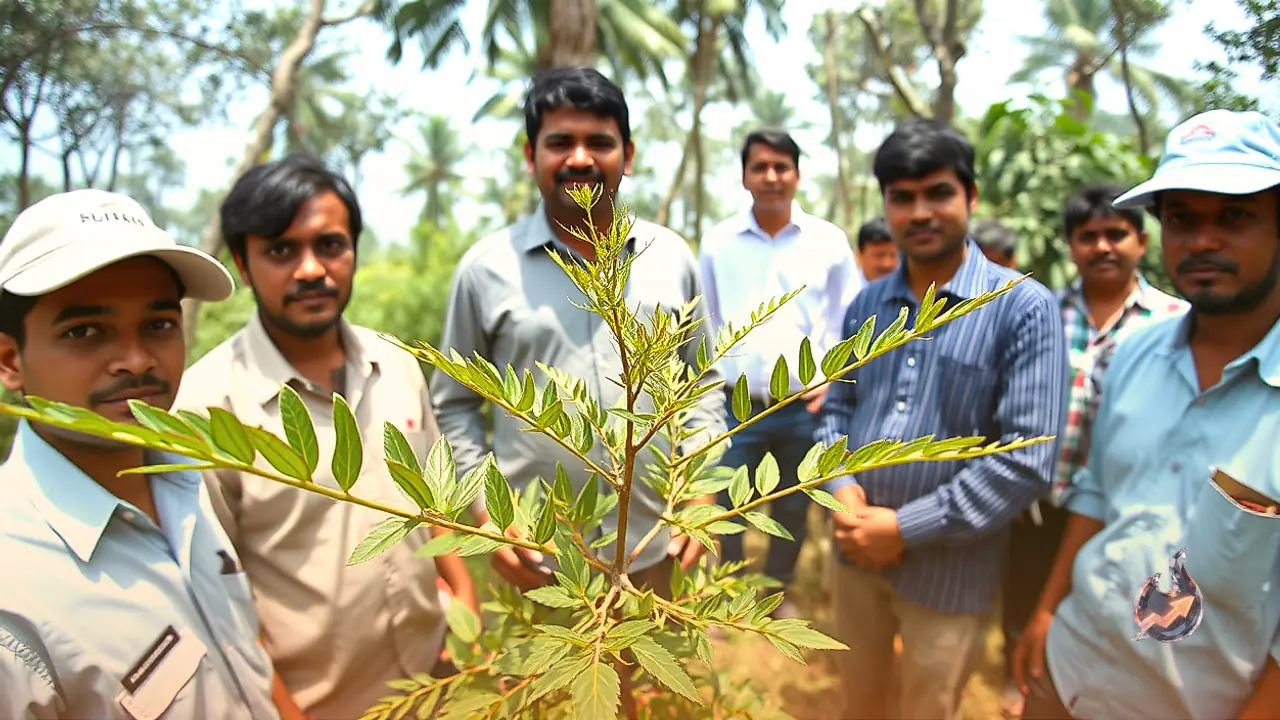
The discovery was made by botanists Manash Baruah and Nilakshee Devi from Gauhati University while they were conducting extensive floral surveys across Assam between 2020 and 2025. The researchers located the plants near the Abhaypuri area, setting off a detailed examination of its physical traits and historical background.
Historical Roots and British Botanist Description
The species was originally documented and described back in 1821 by the British horticulturist George Loddiges. Following that initial record, the plant disappeared entirely from Indian botanical literature, leaving a massive gap in local ecological archives. This current finding represents the first verified collection of the species in India in approximately 204 years, finally resolving a long-standing botanical mystery.
Limited Population and Naming Clarification
During their field work, the research team documented a total of just 12 plants at the site, underscoring the extreme rarity of the population and the pressing need to protect its natural habitat. By carefully evaluating the flowers, leaves, and early written records against a closely related species, the botanists were able to clear up naming confusion that had persisted for generations.
Academic Publication and Ministerial Recognition
The complete findings of this study have been published in the academic journal Feddes Repertorium. Forest and Climate Change Minister Jayanta Malla Baruah highlighted the discovery on X, describing it as proof that the forests of Assam still harbor hidden treasures waiting to be properly documented and understood.
Habitat Characteristics and Conservation Value
The newly found plant is an evergreen shrub that thrives in shaded and humid forest environments, producing distinctive pink, reddish, or purplish flowers. Officials noted that backing botanical research, preserving undisturbed woodland habitats, and properly cataloguing regional plant diversity remain vital for safeguarding vulnerable species that might otherwise remain overlooked.