






















While humans and animals easily express when they are overwhelmed, plants also experience severe stress even though they cannot voice their discomfort. However, their changing foliage and altered growth patterns tell a clear story of environmental pressure. Sudden weather shifts, harsh sunlight, improper watering schedules, poor soil conditions, pest infestations, and frequent relocations can all trigger distress in green specimens. The cumulative impact of these adverse factors gradually shows up on the overall vitality and appearance of the plant.
Decoding Yellowing Foliage
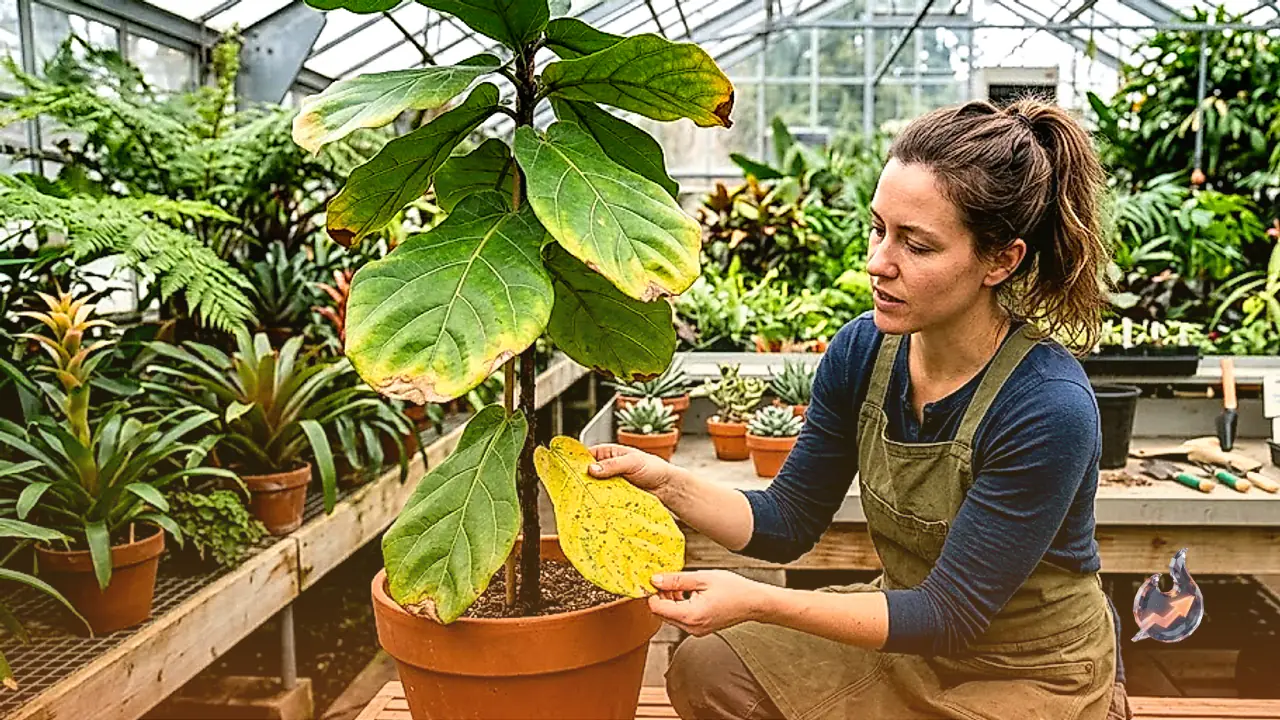
When vibrant green leaves suddenly begin turning yellow, many plant owners immediately assume a nutrient deficiency and start dumping fertilizer into the soil. However, this assumption is often incorrect because excessive watering is frequently the real culprit behind the yellowing process. Especially in containers where soil stays damp for extended periods, roots fail to get adequate oxygen, causing the entire plant to weaken progressively.
Understanding Wilting Symptoms
If leaves continue to droop and look limp even after a watering session, multiple underlying factors could be at play. Intense heat and scorching sun dry out soil rapidly, causing the plant to suffer from severe dehydration. Conversely, overwatering damages the root system to such an extent that the plant appears withered despite having wet soil around its roots. Therefore, judging watering needs purely by looking at surface leaves is unreliable, and checking soil moisture with a finger is a much safer approach.
Brown Edges and Sun Exposure
Brown or dried leaf margins serve as another warning sign indicating that a plant is struggling with its environment. Harsh sun exposure, low humidity levels, underwatering, or specific nutrient shortages within the soil often trigger this condition. Extreme heat causes certain plant varieties to curl their leaves inward for self-protection. If a pot sits in a spot receiving direct sunlight all day long, moving it to an area with bright, indirect light can protect it from heat stress.
Checking for Pests and Fungal Issues
The sudden appearance of small or large brown, black, or yellow spots on foliage points toward possible pest activity or fungal infections. Very often, microscopic bugs hide underneath the leaves while the upper surface appears deceptively normal and healthy. Assuming a plant is healthy just by glancing at it from a distance is a mistake, making a thorough inspection of both the upper and lower leaf surfaces essential.
Moving potted plants around rooms for interior decoration is a common practice, but many species react poorly to sudden environmental shifts. Changes in lighting, ambient temperature, and airflow create an unfamiliar microclimate that can temporarily stall growth or damage foliage. Instead of constantly shifting plants from one corner to another, finding one permanent, ideal location matching their specific needs yields much better long-term results.
Steps for Recovery and Care
When a plant starts deteriorating, the first diagnostic step involves checking soil moisture levels carefully. Next, evaluate the amount of light reaching the foliage and verify whether the container features proper drainage holes to prevent standing water. Inspect the stems and leaves for any visible signs of pests before taking action. Resorting to random fertilizers or unverified home remedies without understanding the root cause can cause further harm. Although plants cannot speak, their leaves communicate every single distress signal clearly if caretakers pay attention to minor color and texture changes in time.