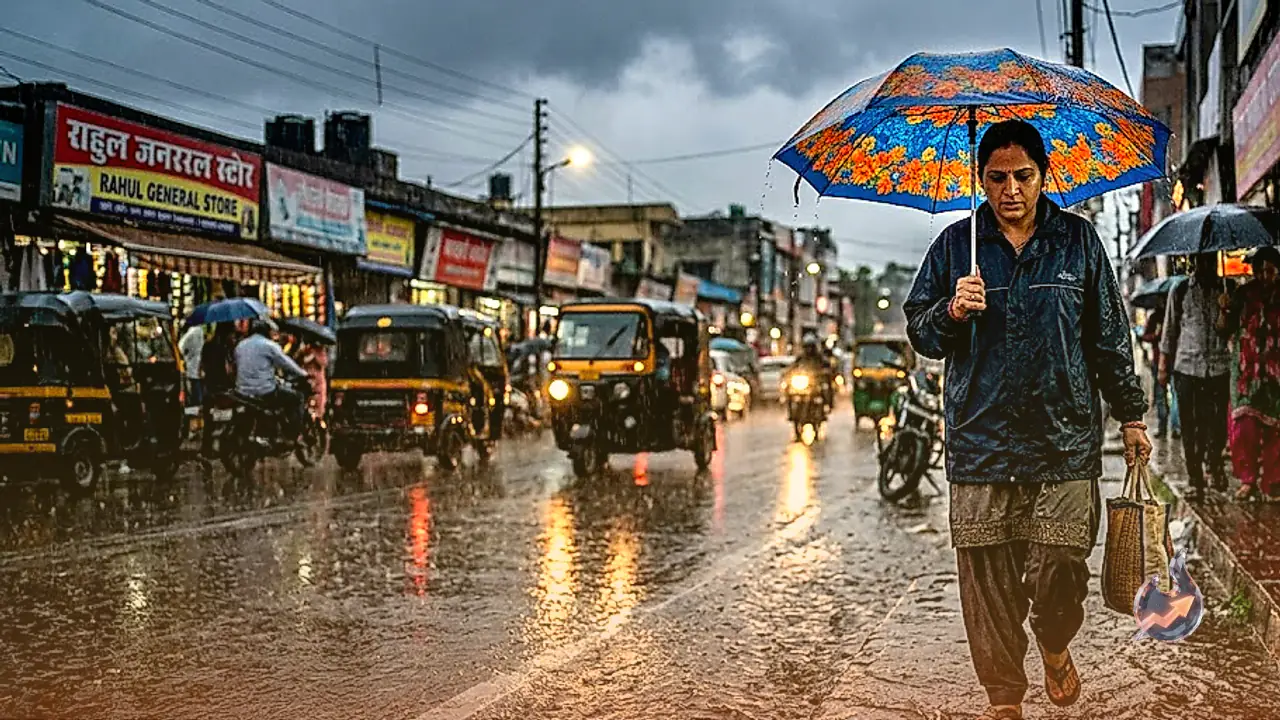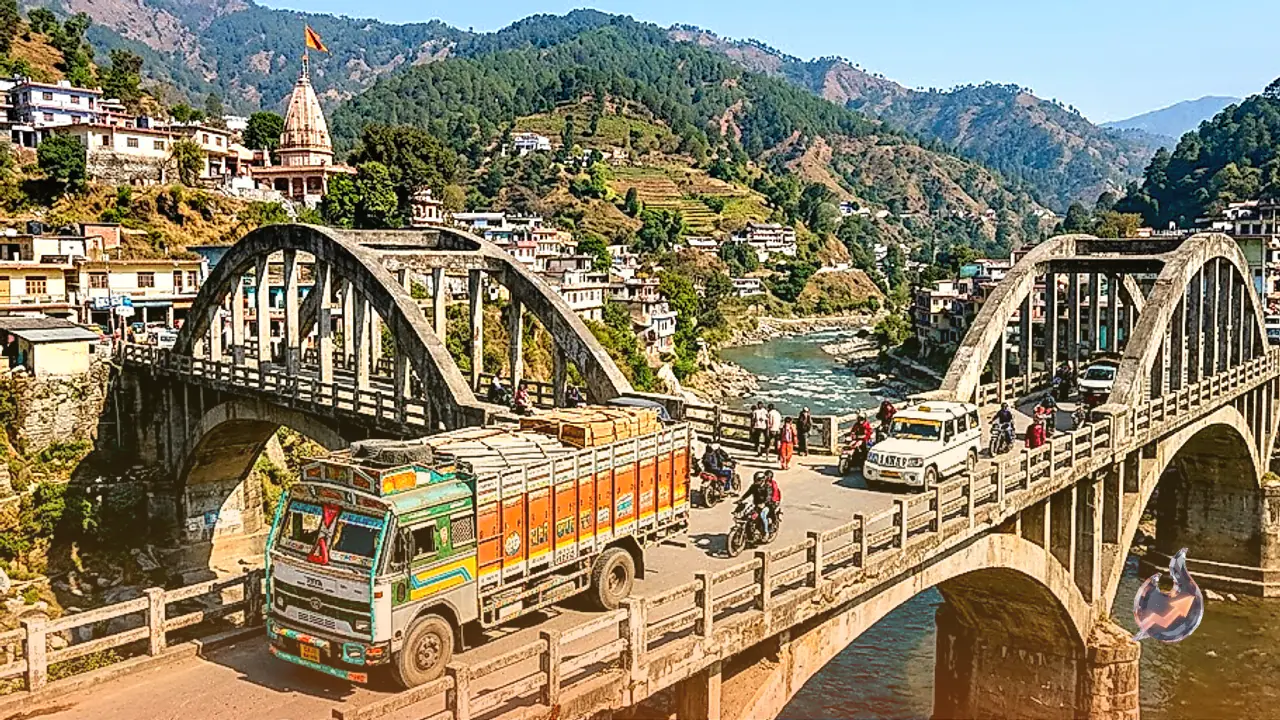


















If you are planning a trip to Rishikesh and its surrounding regions for riverside camping and sightseeing, exercising caution right now is absolutely essential. Due to the ongoing monsoon season, rainfall in the mountains can impact the water levels of the Ganga and nearby rivers at any given moment. Notably, a river's water level does not always rise immediately after local rainfall. Precipitation in the upper reaches of the mountains can manifest in the rivers flowing below after a gap of several hours. Under such conditions, sitting extremely close to the water, pitching tents, or venturing near the edge to capture photos and reels poses significant safety hazards.
The rising craze of riverside camping in monsoon
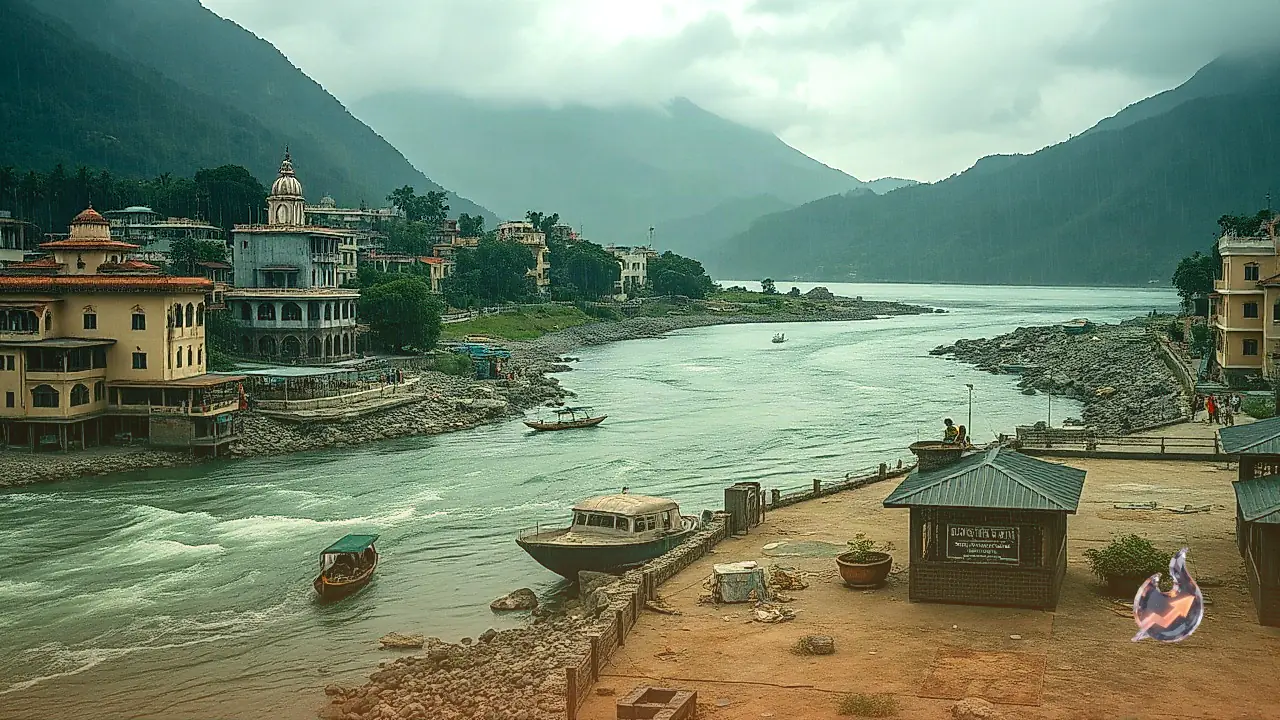
Riverside camping in and around Rishikesh attracts numerous visitors during the monsoon months. Tourists heavily enjoy sitting by the Ganga, setting up tents amid forests, and witnessing mountain vistas in rainy weather. However, this picturesque weather can occasionally turn into a source of trouble. Continuous rainfall in the hills causes small rivers and seasonal streams to swell abruptly. This directly impacts the river current, transforming a seemingly calm river into a fast-flowing hazard within moments.
Do not mistake a calm river for a safe one
Tourists often approach the water closely upon seeing normal water levels. People sit by the banks to eat, take pictures, or pitch tents for an overnight stay. At that moment, the river appears entirely ordinary to them, but conditions can shift instantly if it rains higher up in the mountains. This is precisely why visiting the immediate riverbanks during the monsoon is unwise.
Rainfall in upper mountains shows impact later
Local resident Ankit shared insights noting that many visitors coming from outside judge safety merely by looking at the water level, whereas the consequences of mountain rainfall appear later. He emphasized that tourists should avoid going right up to the river and must choose camping locations that are safe and authorized. Visiting the river area during nighttime is particularly perilous, as darkness makes it difficult to gauge changes in water flow.
Do not choose camping spots based solely on scenic beauty
Another major mistake campers frequently commit is picking a spot near the water simply because the ground looks flat and appealing. Such locations are often the first to get affected when water levels rise. Therefore, deciding on a camping spot based strictly on aesthetic location is flawed judgment.
Avoid taking risks for photos and reels
Tourists must also remember that carelessness during riverside recreation can prove costly. Stepping into strong currents, standing on slippery rocks for selfies, or letting children wander very close to the water is unsafe under any circumstances. While the river surface might look calm from above during rains, the underlying velocity of the water can be immense.