






















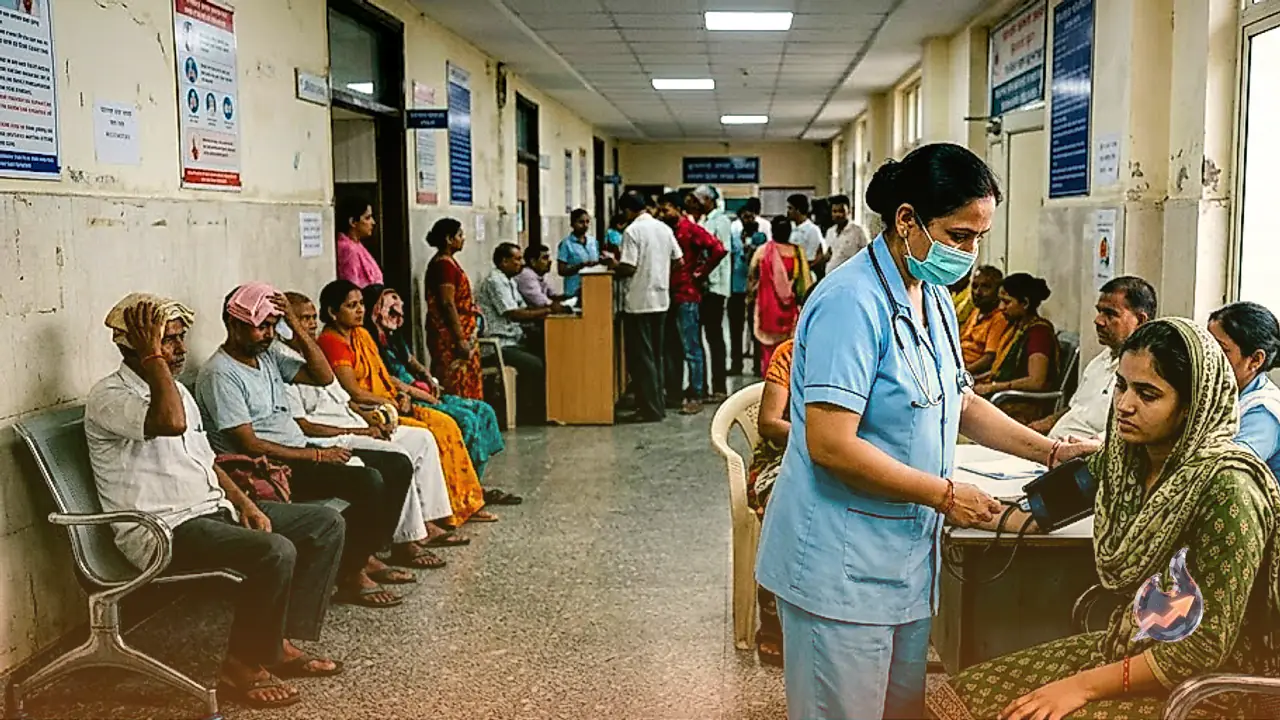

Fluctuating weather conditions and recent rainfall in the Rishikesh region have led to a noticeable rise in health complications among residents. Outpatient departments across major hospitals and local clinics in the city are witnessing a heavy influx of individuals suffering from fever. According to health professionals, approximately 70 percent of all patients seeking care at outpatient facilities present complaints related to various types of fever. Many patients report elevated body temperatures accompanied by severe body aches, intense headaches, extreme weakness, and persistent chills. The sudden shift in environmental temperatures is putting increased pressure on local healthcare facilities.
Weather Fluctuations Impacting Public Health
Accumulation of stagnant water across several areas following recent rains has intensified the health situation in the city. Dr. Rajkumar (Ayush) highlighted that high temperatures and humidity during daytime hours, followed by sudden localized rainfall, are causing sharp temperature swings. These environmental changes directly affect individual immunity levels. The shifting weather presents a significant challenge for vulnerable demographics, particularly young children, elderly citizens, and individuals with pre-existing medical conditions that weaken immune defenses. Clinical examinations reveal that a substantial number of patients complain of severe muscle pain, heaviness in the head, and profound physical exhaustion.
Understanding the Difference Between Fever Types
Medical experts warn against assuming every fever is a routine viral illness or resorting to self-medication at home without professional consultation. During the rainy season, alongside standard viral fever, conditions such as dengue, scrub typhus, and other infectious diseases frequently emerge. In the early stages, symptoms across these diseases often appear identical, making accurate diagnosis based solely on visible physical signs nearly impossible. If a patient experiences a persistent high fever or notices additional emerging symptoms, seeking immediate advice from a qualified doctor is crucial for timely recovery.
Dengue Precautions and Environmental Hygiene
Heightened caution is necessary regarding dengue during this time of the year. Disease-carrying mosquitoes primarily breed in clean, stagnant water. Common household items such as flowerpots, air coolers, discarded containers, abandoned tires, and any open areas where water collects over several days serve as prime breeding sites. Preventing water accumulation around residential premises remains the most effective line of defense. Additionally, wearing clothing that fully covers the body and utilizing suitable mosquito repellent methods provide essential protection against bites.
Monitoring Swine Flu and Respiratory Complications
Seasonal shifts also heighten the risk of respiratory infections and swine flu. Individuals experiencing fever alongside persistent coughing, sore throat, difficulty breathing, or abnormal fatigue must seek medical attention without delay. Neglecting these symptoms can lead to severe health complications. Medical guidelines emphasize that senior citizens, infants, and patients with chronic underlying conditions must take extra precautions if any indicative symptoms surface.
Practical Daily Guidelines for Infection Control
Adopting basic hygiene practices in daily routines plays a vital role in preventing infection and safeguarding family health. Individuals should avoid consuming uncovered food from street vendors to prevent waterborne contamination. Drinking clean or boiled water and washing hands regularly with soap are essential habits. If drenched in rain, changing out of damp clothes immediately is recommended to prevent chills. When a family member develops a fever, monitoring their condition closely and scheduling appropriate medical diagnostic tests when required ensures proper care and rapid recovery.