

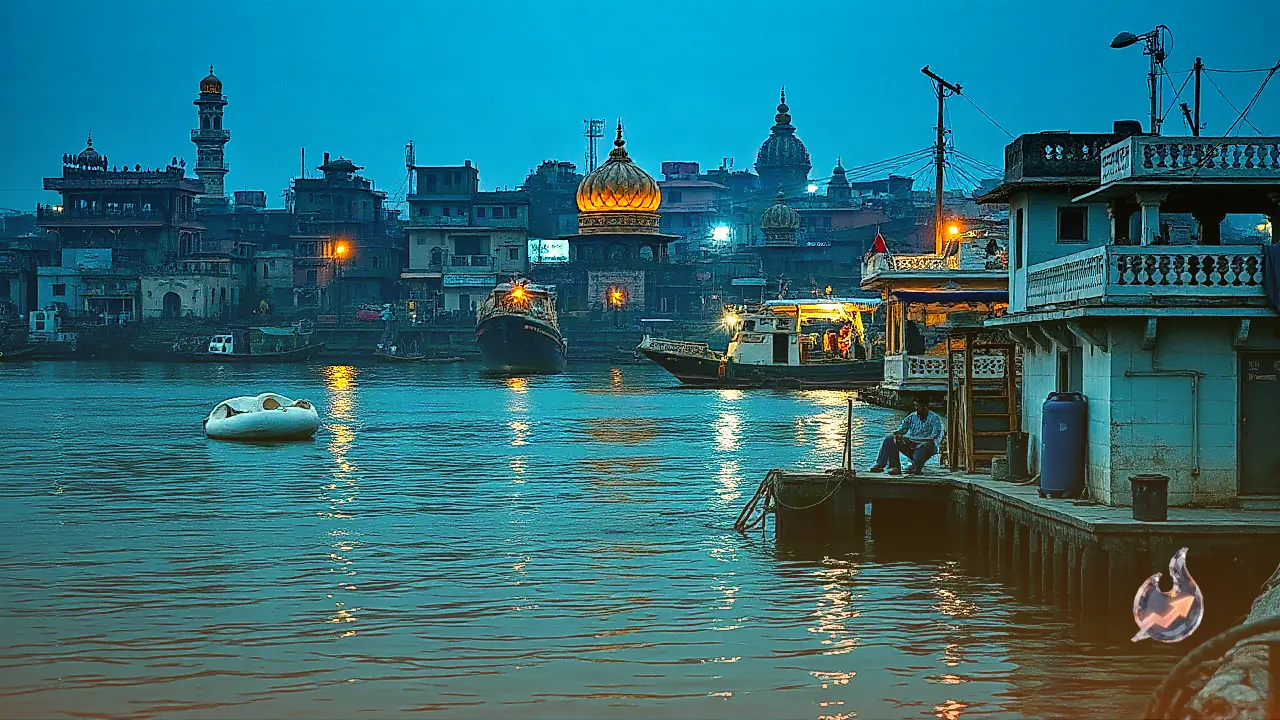
















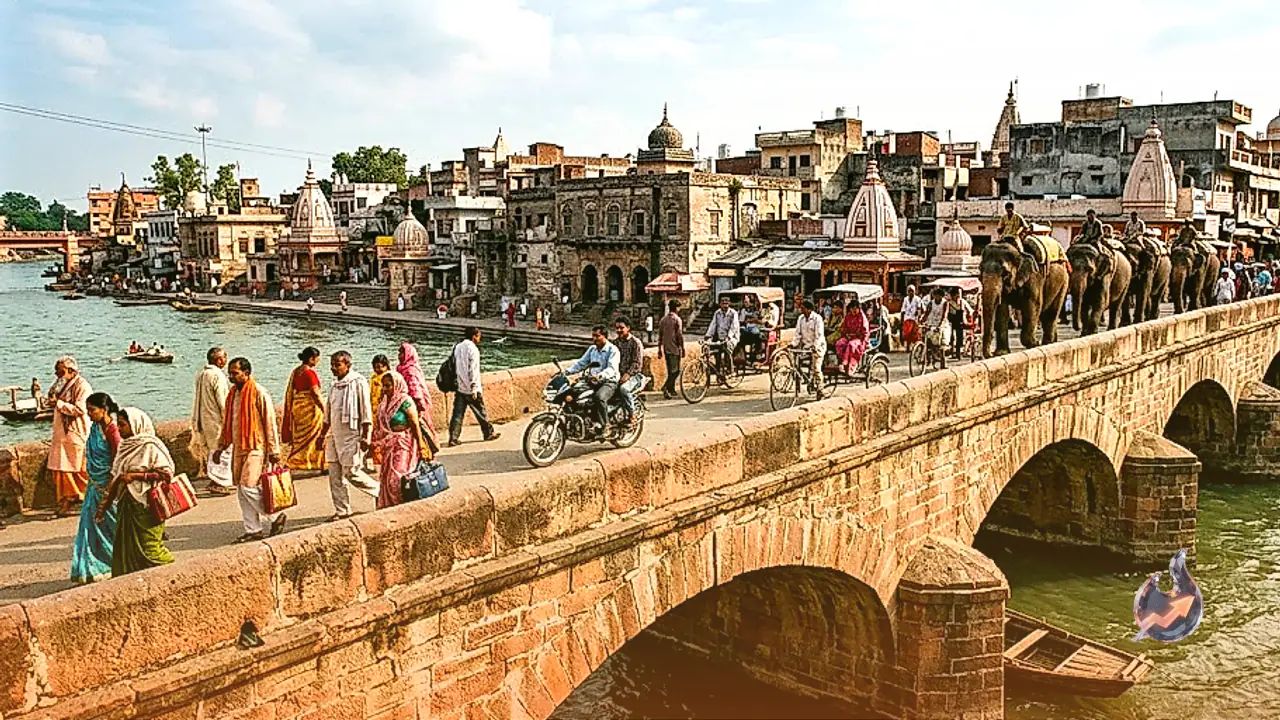

Standing firmly amidst the powerful flow of the Ganga River near the sacred Har Ki Pauri shrine in Haridwar, the historic Elephant Bridge remains an extraordinary example of 19th-century civil engineering. Completed in the year 1854, this heritage landmark has reached a major milestone of 172 years in 2026. Remarkably, its construction relied neither on modern cement nor on heavy machinery or steel reinforcement girders. Despite lacking modern synthetic materials, the arch bridge has weathered a century and three-quarters of intense water pressure and harsh environmental conditions without structural failure. Today, it continues to function as a vital, safe passage for thousands of visiting pilgrims, tourists, merchants, and local residents.
The 19th-Century Ganga Canal Project and Sir Proby Thomas Cautley
The origins of the Elephant Bridge are intrinsically linked to the excavation of the historic Upper Ganga Canal during the mid-19th century. Under British administration, excavation work commenced in 1842 to establish a comprehensive canal network extending from Haridwar to Kanpur Dehat district in Uttar Pradesh. The entire architectural blueprint and civil engineering layout for this massive water resource project were designed by contemporary British engineer Sir Proby Thomas Cautley. Following nearly 12 years of continuous manual excavation and engineering effort, the canal was fully commissioned in 1854. To enable seamless transit across the water channel and connect nearby towns, Sir Proby Thomas Cautley constructed multiple durable brick arch bridges throughout Haridwar, among which the structure near Har Ki Pauri holds historical prominence.
Brick-Arch Architecture, Red Bricks, and Elephant Sculptures
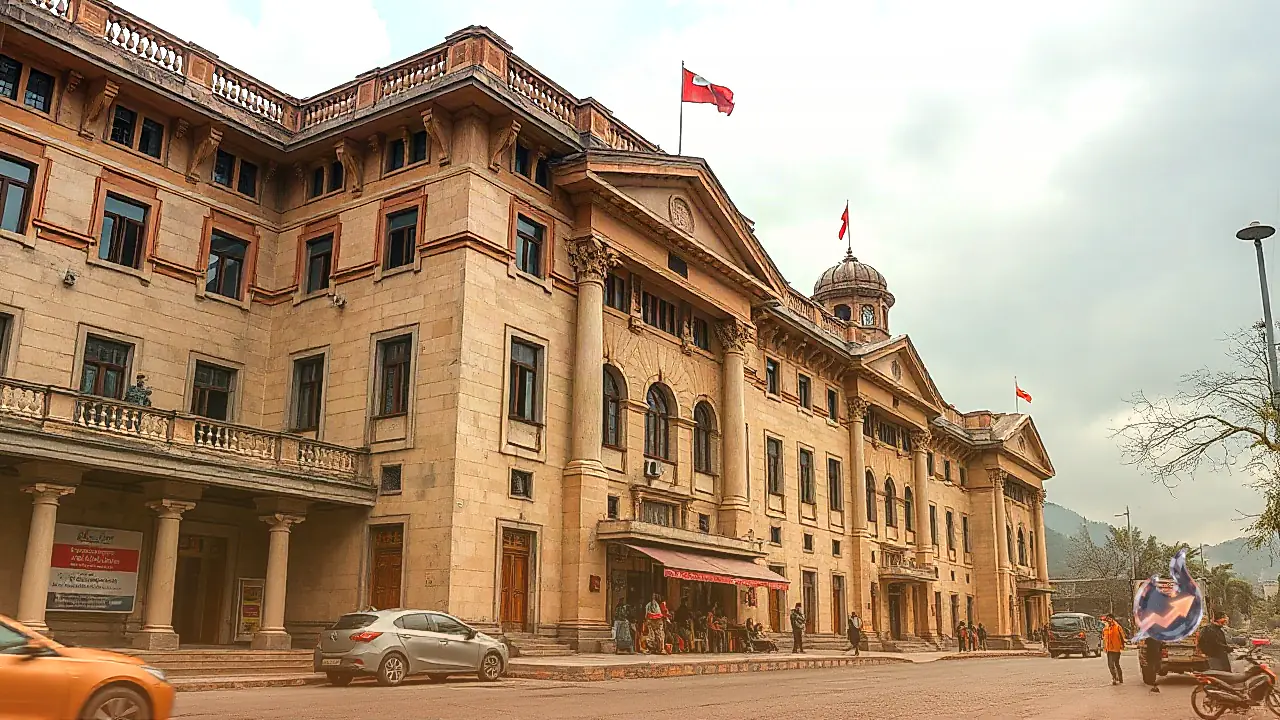
Situated directly behind the Mela Control Building, commonly known as the CCR Tower, the foundation of the Elephant Bridge was established between 1842 and 1854. The structure serves as a magnificent demonstration of British-era burnt-brick arch construction technology. Builders used high-fired red bricks bonded with a specialized mortar composed of slaked lime and surkhi. The defining feature of the bridge is the prominent artistic sculpture embedded into its piers. Elaborate elephant statues were carved onto the supporting pillars, leading local citizens and pilgrims to refer to it colloquially as Hathi Pul, or the Elephant Bridge. Beyond its utility as a transportation link, the structure represents a unique fusion of 19th-century British engineering and traditional Indian stone sculpturing.
The Durability of Lime, Surkhi, and Urad Dal Mortar
At a time when contemporary concrete bridges often deteriorate within decades, this 172-year-old bridge continues to serve as an object of research for modern civil engineers and material scientists. Historian Manoj Kumar, associated with the Archaeology Department at Gurukul Kangri University, explains that Sir Proby Thomas Cautley designed the bridge with specific architectural considerations due to its location adjacent to the sacred site of Har Ki Pauri. According to him, the bridge is far more than a simple brick structure; it stands as an enduring historical document of 19th-century hydrology and public infrastructure development.
Highlighting the scientific reason behind the bridge's remarkable longevity, according to historian Manoj Kumar, "The traditional mixture of lime, surkhi, and urad dal used back then hardens further when exposed to water over time." This chemical characteristic explains why constant exposure to the rushing river has enhanced rather than degraded the structural strength of the mortar. Modern structural experts remain fascinated by how this non-cement construction has outlasted many contemporary concrete installations.
Traffic Restrictions and Heritage Conservation Mandate
Positioned immediately near Har Ki Pauri and right in front of the historic Kushavart Ghat, the Elephant Bridge handles immense pedestrian volume. To protect the structural integrity of the bridge and ensure public safety, local authorities have imposed a total ban on four-wheelers and heavy motorized vehicles. Today, movement across the bridge is restricted exclusively to pedestrians, pilgrims, sightseers, local vendors, and two-wheeler vehicles. The 172-year-old structure handles the high daily footfall with ease.
Historian Manoj Kumar emphasizes that the Elephant Bridge and surrounding British-era canal structures constitute invaluable cultural and historical heritage for Haridwar. He warned that historical monuments must not be forgotten during rapid urban modernization. He called upon the local administration and the Archaeology Department to implement dedicated preservation measures and regular maintenance schedules, ensuring that future generations can witness and understand this engineering legacy.