
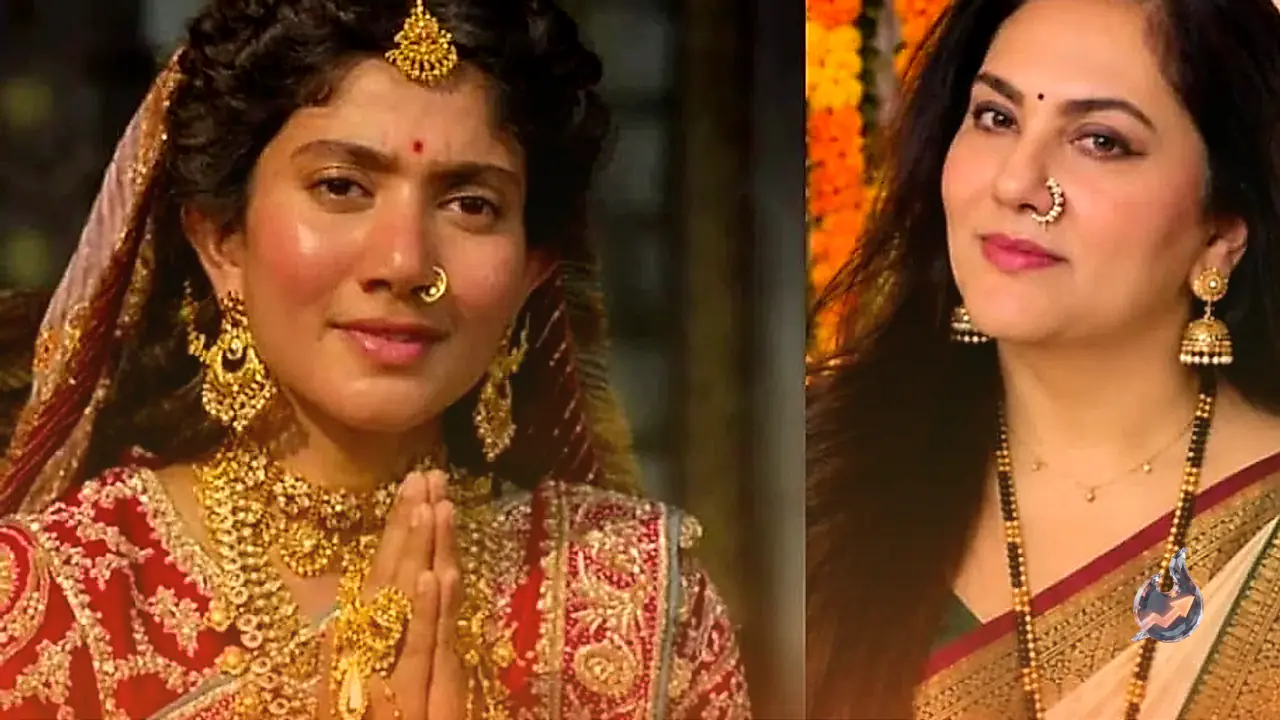

















Rishikesh: Among the traditional ornaments worn by women in the hills of Uttarakhand, the nath holds a very special and prominent place. Whether it is a wedding ceremony or any other auspicious occasion, this traditional nose ring has always remained an essential part of a woman attire. Due to its unique craftsmanship and striking beauty, it easily catches people attention from afar. Interestingly, the naths from the Garhwal and Kumaon regions may appear identical to the untrained eye, but they are actually quite distinct. Their specific structure, size, design, and even the way they are worn give each style its own unique identity.
Differences in Craftsmanship and Design Between Regional Naths
Ashwini Bhola, owner of Bhola Jewelers located at Triveni Ghat in Rishikesh, explained that the biggest difference between a regular ornament and a traditional hill nath lies in its structure and crafting method. While commonly available market designs tend to be quite simple, a authentic hill nath showcases intricate and detailed handmade artistry. Tiny beads are used in its creation, and each bead is arranged with immense care and precision. Its rounded shape, traditional pattern, and fine detailing set it apart from all other ornaments. Artisans must invest a significant amount of time and hard work to craft a hill nath because every single part of it is meticulously decorated by hand, which is precisely why it looks so breathtakingly beautiful.
The Subtle Color Variations That Define Each Style
The traditional hill naths found across Uttarakhand are broadly categorized into two main types, namely the Garhwali nath and the Kumaoni nath. At a glance, their design and overall structure look remarkably similar, but a specific variation in their colors sets them apart. The Garhwali nath features prominent yellow detailing, whereas the Kumaoni nath applies a coating of geru over the exact same design, giving it a distinct light orange hue. This small color variation serves as the ultimate identifier between the two regional styles. The beauty of these ornaments is not just confined to their vibrant colors but extends to the careful handcrafting process where artisans painstakingly arrange beads by hand, reflecting their exceptional skill and dedication.