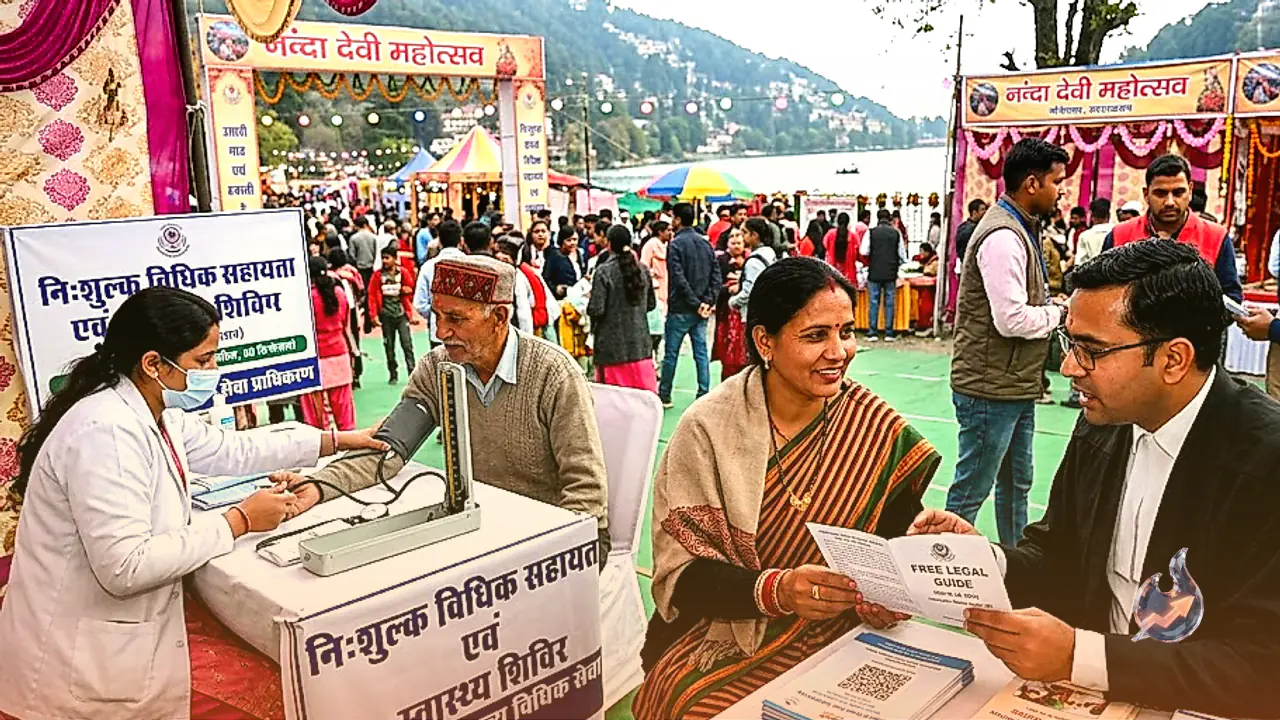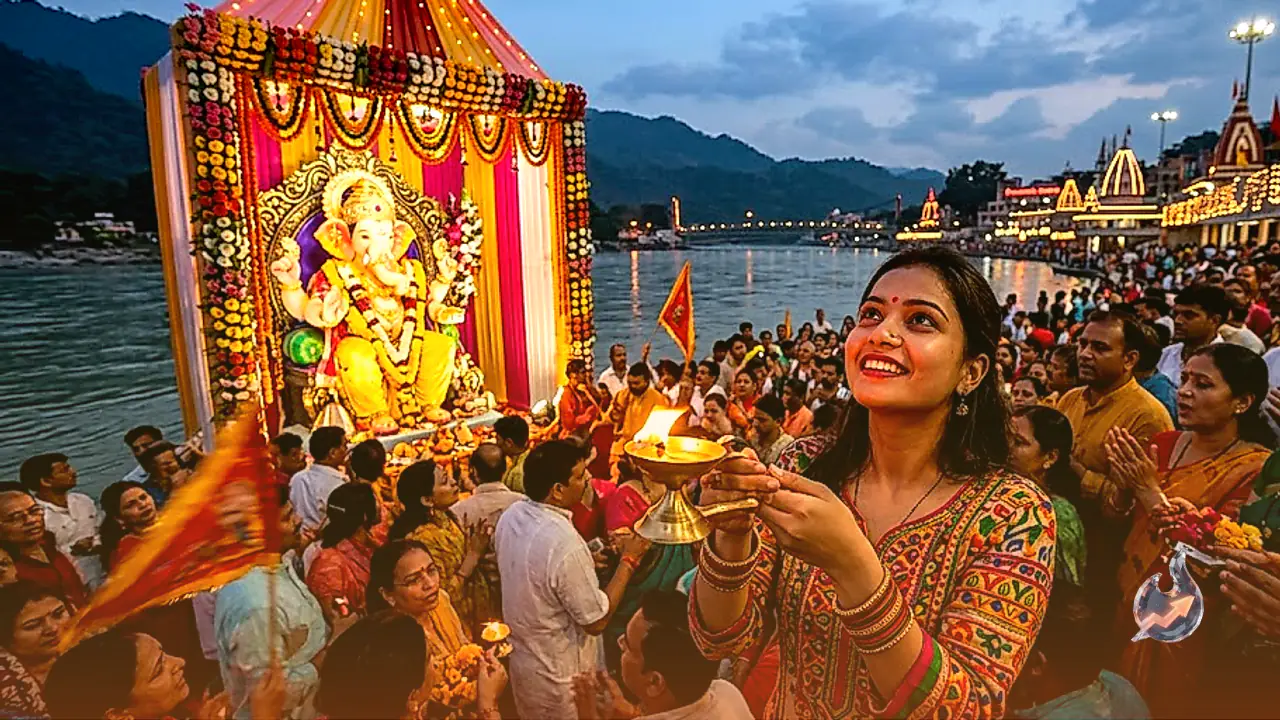

















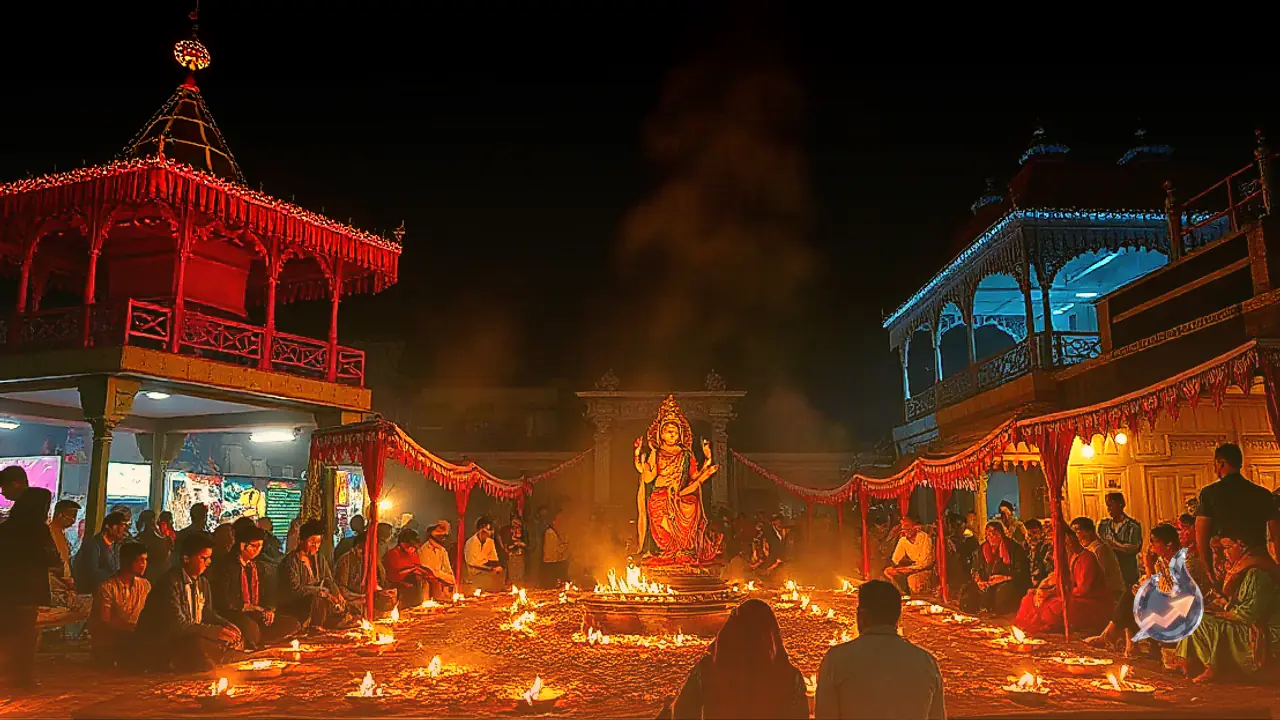

A vibrant festive atmosphere has taken over Nainital in Uttarakhand as the town celebrates the 124th edition of the Nanda Devi Mahotsav. Devotees hold immense reverence for Goddess Nanda and Goddess Sunanda, revered as the presiding deities of the Kumaon region. Among the array of religious observances organized during this grand festival, an evening ritual known as the Panch Aarti has emerged as the prime center of attraction for pilgrims and visitors. According to age-old religious traditions, this specific ceremony is conducted to ward off the evil eye from the divine sisters using the five basic elements of nature.
An Evening Devotional Ceremony Dedicated to the Deities
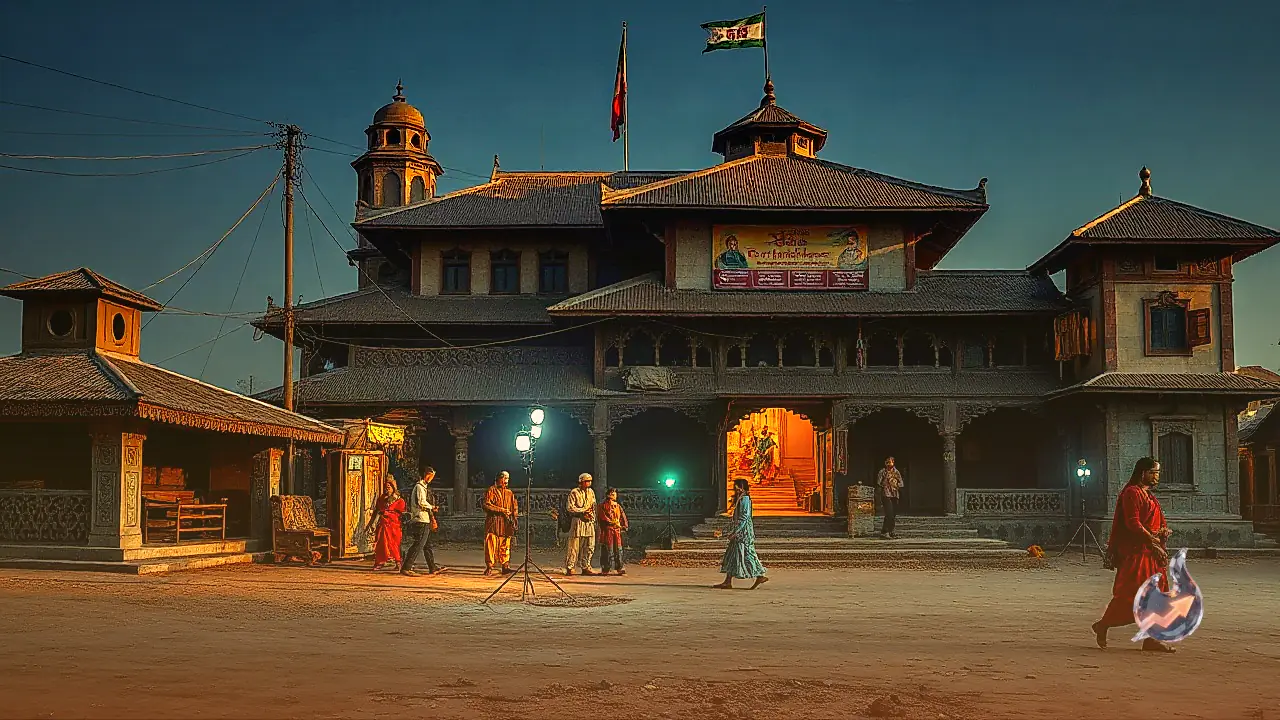
Dr. Lalit Tiwari, an office-bearer of Shri Ram Sewak Sabha, shared detailed insights into the significance of this ritual. He explained that the sacred Panch Aarti for Goddess Nanda-Sunanda commences promptly at 6:30 PM every evening. The entire spiritual ritual lasts for approximately one hour and draws a massive gathering of faithful devotees. As the designated hour approaches, the courtyard of the famous Maa Naina Devi Temple becomes completely filled with worshippers eager to witness the proceedings.
The ritual is led and initiated by Pandit Bhagwat Joshi. During the prayer, the temple surroundings transform into a space of intense spiritual energy. The rhythmic beats of traditional hill musical instruments and drums, the continuous resonance of temple bells, and enthusiastic collective chants venerating Goddess Nanda-Sunanda echo together across the temple grounds.
Using Nature's Five Elements and Sacred Offerings
Elaborating on the philosophy underpinning the Panch Aarti, Dr. Lalit Tiwari noted that under local faith and tradition, it is believed that the deities too can be affected by the evil eye. To counter this, an elaborate ritual utilizing the five elements of nature is observed to clear any negative gaze. This devotional gesture serves as a deep expression of affection, surrender, and veneration by the devotees toward the divine mother.
During the recitation and worship, the five great natural elements earth, water, fire, air, and sky are actively invoked and remembered. The ceremony involves distinct rituals paired with specific sacred materials. Clay lamps, conch shells filled with water, ceremonial garments, and fresh leaves from mango and peepal trees are integral components of the offering. Through these traditional items and structured devotional prayers, the protective aarti is performed.
Significance of Worshipping After Sunset
Traditional customs dictate that conducting the Panch Aarti right after sunset holds exceptional religious significance. It is believed that this post-dusk ritual clears away the accumulated gaze of the entire day. Consequently, pilgrims consider this particular hour exceptionally auspicious for spiritual fulfillment. Attending worshippers view the deities, join the collective singing, and offer sincere prayers for the realization of their personal wishes and family well-being.
According to Dr. Lalit Tiwari, this evening ceremony has been practiced faithfully ever since Goddess Nanda and Sunanda arrived and their consecration was established at the Maa Naina Devi Temple. Rather than being merely a formal prayer service, it represents a centuries-old cultural bond that links regional heritage with profound religious devotion.
Flocks of Pilgrims and Distribution of Wheat Prasad
Throughout the course of the Nanda Devi Mahotsav, visitors travel not only from across Nainital but also from surrounding hills and distant regions just to catch a glimpse of the evening Panch Aarti. As daylight fades, crowds quickly swell within the temple compound. With the initial notes of the ceremony, the entire assembly joins in unified praise of the goddesses, creating an emotionally uplifting scene.
Once the hour-long ceremony reaches its conclusion, consecrated offerings are distributed to the assembled gathering. Among the customary items shared with the public is a traditional prasad prepared from wheat. This seamless convergence of elemental reverence, local folk practices, and collective faith gives the Panch Aarti an enduring legacy, transforming Nainital into an epicenter of divine joy each evening.