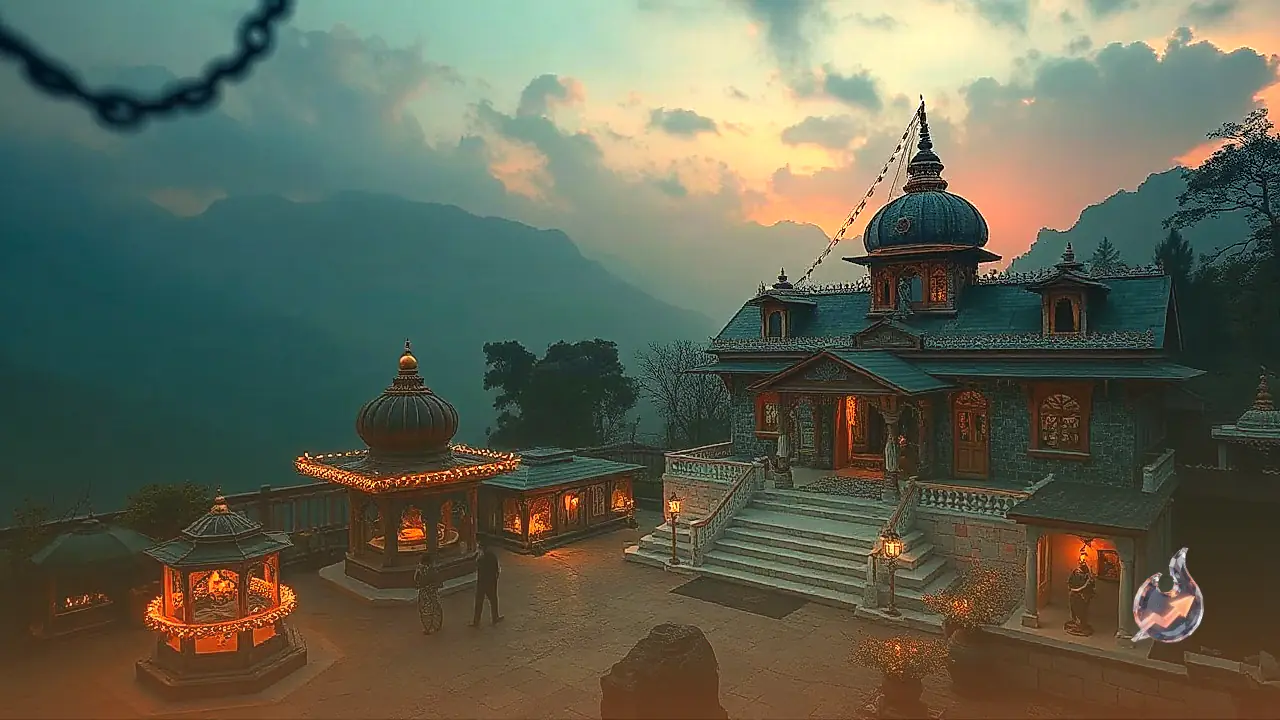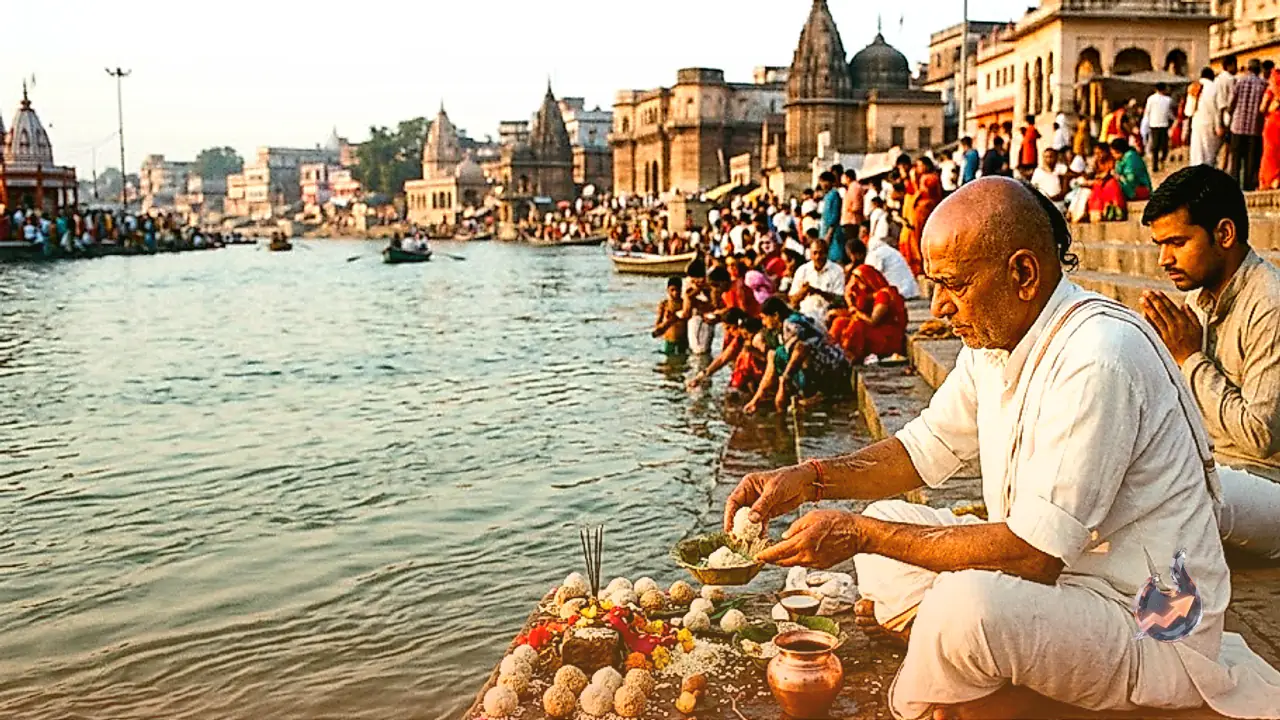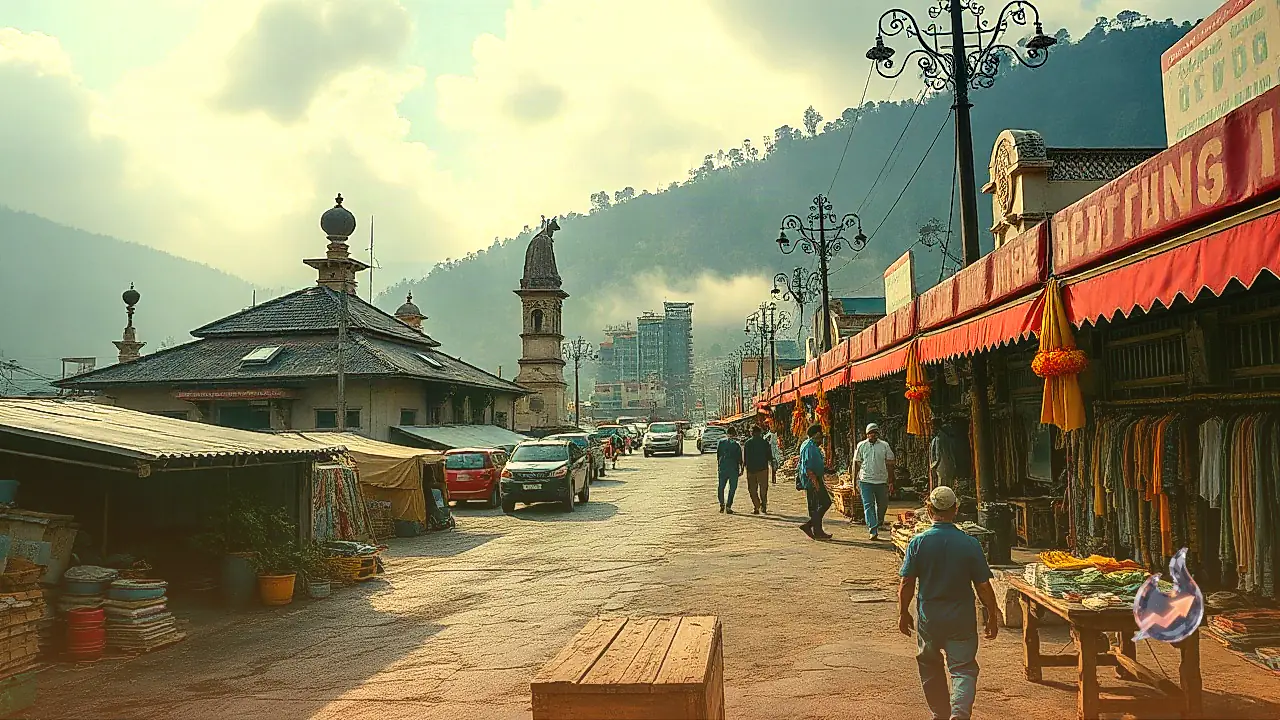















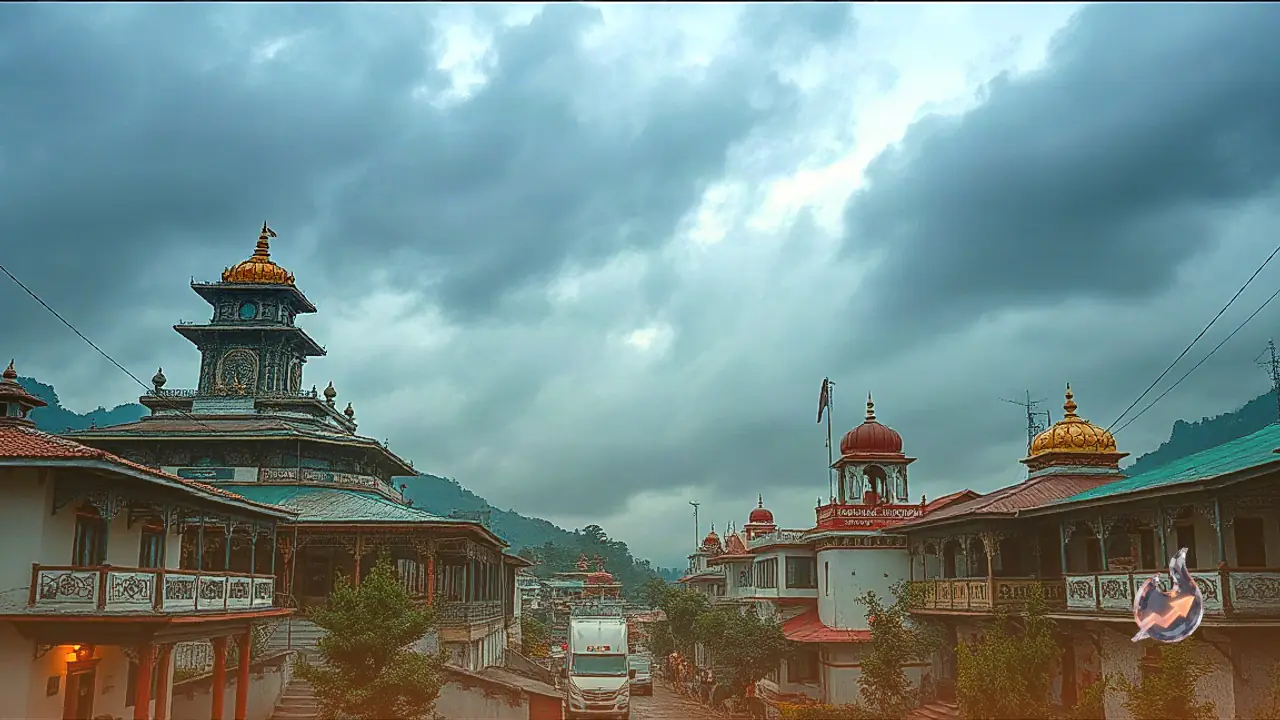

The historic Shri Nanda Devi Mahotsav, celebrated in the scenic lake town of Nainital, is far more than a conventional religious gathering. It stands as a vibrant testament to the rich folklore, deep-rooted traditions, and cultural heritage of the Kumaon region. Having been celebrated continuously for the past 124 years, this festival holds immense spiritual significance for the local population. Today, there is a growing and strategic push from tourism stakeholders and cultural preservationists to integrate this ancient carnival systematically with regional tourism. Business owners believe that by establishing the festival as a national and international brand, it can redefine the tourism landscape of Nainital and rejuvenate the economy of the entire Kumaon belt.
Spiritual Tourism Potential and the Kainchi Dham Blueprint
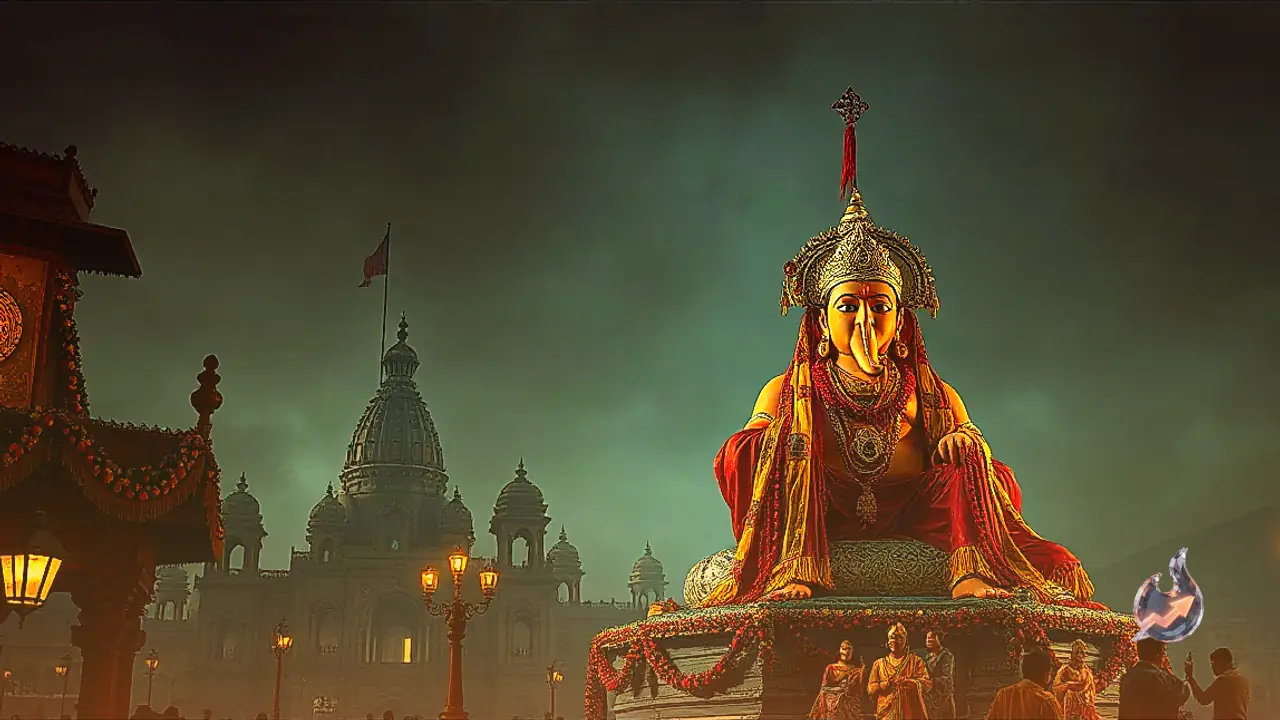
In recent years, Uttarakhand has witnessed an unprecedented boom in spiritual tourism, spearheaded by the massive influx of devotees to Kainchi Dham, the ashram associated with Baba Neem Karoli. This surge in religious visitors has demonstrated how faith-based tourism can act as a powerful catalyst for local economic development. Stakeholders argue that the Nanda Devi Mahotsav has the same potential to be developed as Nainital's unique selling proposition (USP). The festival’s distinctive rituals, such as the ceremonial search and selection of Kadali (banana) trees, the meticulous sculpting of the idols of Goddesses Nanda and Sunanda, the grand street processions (shobha yatra), traditional Kumaoni folk dances, and vibrant cultural programs, can serve as major attractions for national and global travelers, offering them an authentic glimpse into the sacred heritage of the Himalayas.
Boosting Local Hospitality and the Hospitality Sector
Digvijay Singh Bisht, the President of the Nainital Hotel Association, noted that the town experiences a unique wave of energy and devotion every September during the festival. Goddess Nanda Devi is revered as the patron deity (Kuldevi) of Uttarakhand, making the festival an emotional and spiritual anchor for the community. In recent years, enhanced promotional efforts have already led to a noticeable increase in the number of pilgrims and tourists visiting the town during this period, directly benefiting hotels, home stays, local transport operators, and small businesses. To capitalize further on this momentum, Bisht suggested that the government produce a high-quality, comprehensive documentary on the festival. This documentary could capture everything from the age-old traditions surrounding the Kadali trees, the sacred art of idol-making, the intricate rituals, and the lively fair, showcasing the deep cultural narrative of Kumaon to a global audience. Supportive initiatives in this direction have also been championed by former District Magistrate Vandana Singh and the current District Magistrate.
Administrative Support and the Quest for UNESCO Heritage Status
Efforts to secure international recognition for this grand cultural spectacle are not entirely new. According to Dr. Lalit Tiwari, the mela spokesperson for the Shri Ram Sevak Sabha in Nainital, there have been past administrative initiatives to pitch the Nanda Devi Mahotsav for inclusion in the UNESCO Representative List of the Intangible Cultural Heritage of Humanity. Drawing a parallel with the globally recognized Nanda Devi Biosphere Reserve, Dr. Tiwari emphasized that the Kumaoni cultural festival deserves an equally prominent global platform. During the tenure of former District Magistrate Vandana Singh, active measures were taken to compile historical data and initiate the UNESCO nomination process. Although the bid could not reach its final conclusion, achieving such international recognition remains a vital goal, as it would amplify Kumaon's rich heritage on the world stage. Ongoing promotional efforts by the current administration continue to build on this foundation.
Digital Branding and the Concept of a Nanda Devi Circuit
The hundreds of stalls, amusement rides, local handicraft vendors, and traditional food outlets that line the streets of Nainital during the festival do not just entertain visitors, they serve as a vital lifeline for the local economy. To maximize this economic potential, experts suggest shifting the focus from a short-term religious event to establishing a year-round cultural brand for Nainital. This transition would require dedicated digital campaigns, aggressive social media marketing, customized travel packages, and improved tourist infrastructure. Furthermore, on the lines of the state's ambitious Manaskhand Mandir Mala Mission, the government could explore the creation of a 'Nanda Devi Circuit' connecting major temples dedicated to the deity across Kumaon. Such an initiative would distribute tourism benefits more evenly across the hills, offering travelers a structured pilgrimage experience while ensuring sustainable economic growth for remote communities.