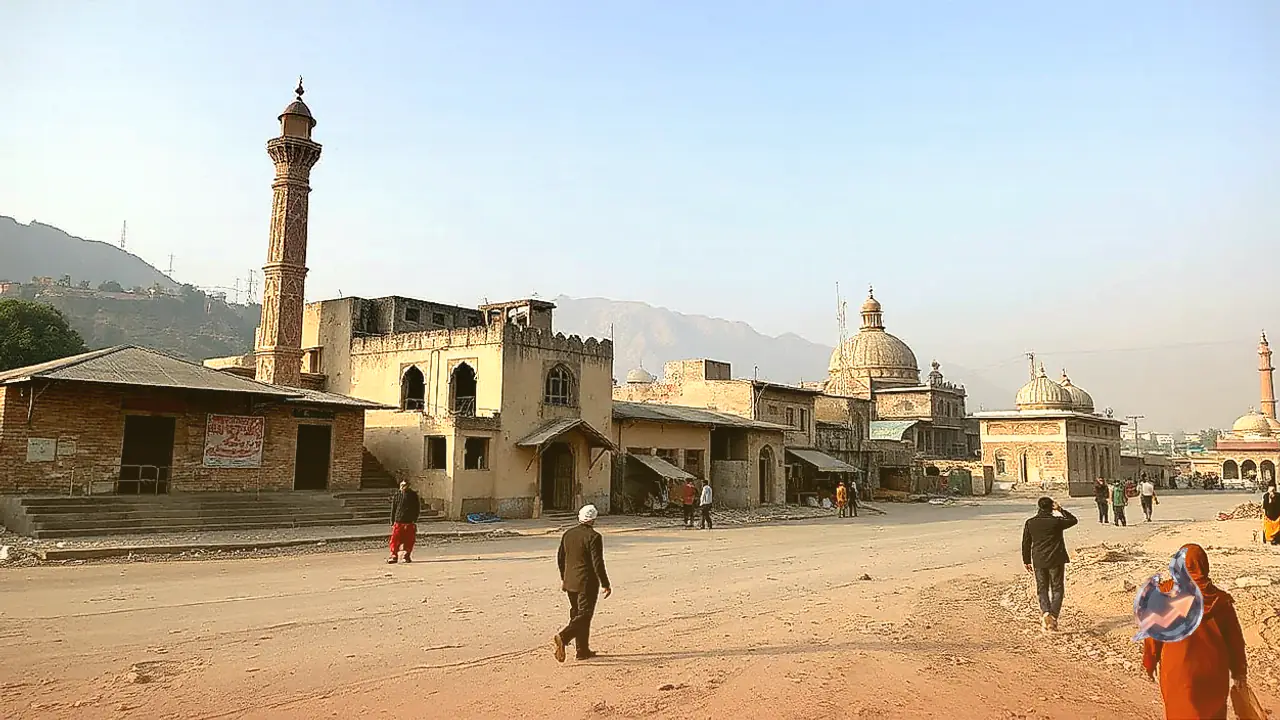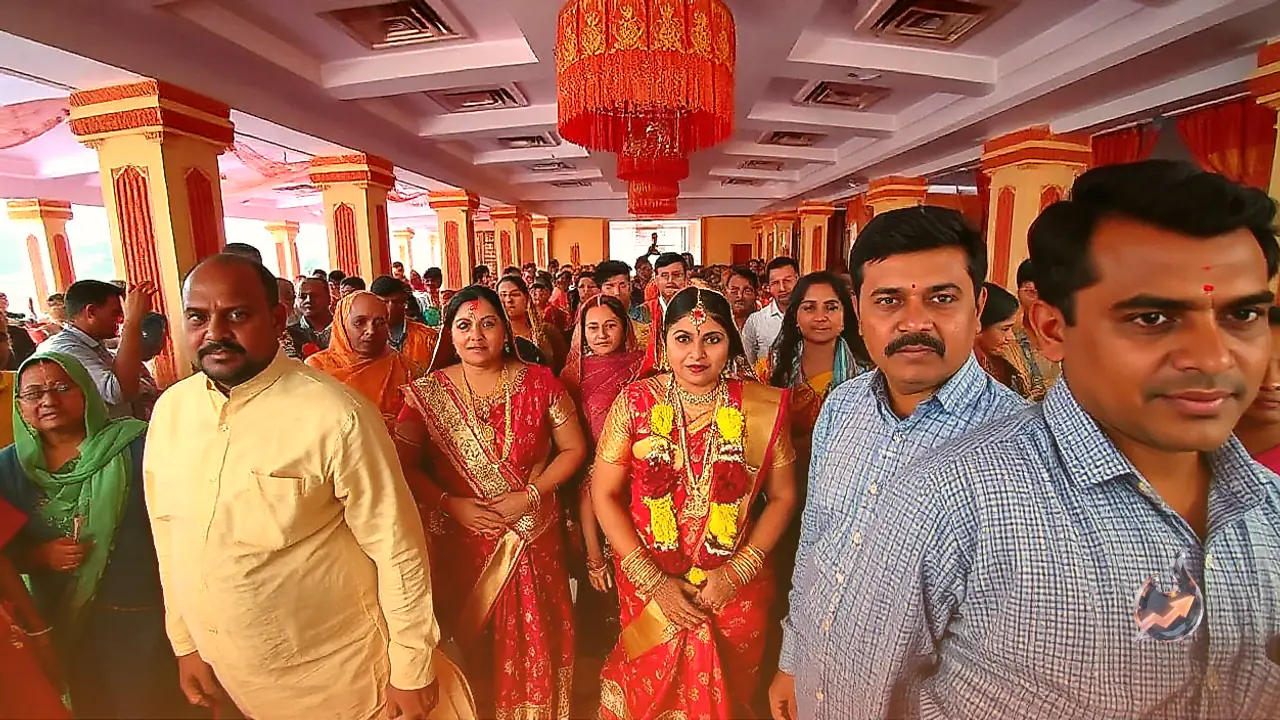

Wedding traditions in the hilly regions of Uttarakhand are changing at a rapid pace. In the past, a wedding in the mountains was not merely a union of two families, but a grand communal festival for the entire village. Preparations for the festivities would begin months in advance, with every household in the village actively participating. Women shouldered the responsibilities of milling and grinding grains as well as preparing traditional delicacies, while men gathered firewood, managed household arrangements, and welcomed the groom's procession. However, with the passage of time, the rising trend of one-day baraats, banquet halls, and commercial catering has completely transformed the traditional imagery of mountain weddings.
Preparations Began Months in Advance
Local expert Rajendra Tangadiya notes that earlier, the wedding atmosphere in the hills persisted for several days. Preparations at home would kick off nearly a month before the actual ceremony. Women gathered collectively to mill and grind wheat and other food grains. Spices were prepared using traditional silbatta grinding stones and mortars, and village women joined hands to cook festive dishes. Meanwhile, men contributed by fetching firewood from the forests, setting up tents, and handling logistical arrangements. Amidst these chores, folk songs, music, and lighthearted banter filled the village with a vibrant festive spirit.
Villagers Opened Their Homes for Guests
Welcoming guests in mountain weddings was traditionally considered the collective responsibility of the entire village. When the number of wedding guests exceeded normal capacity, villagers readily opened the rooms of their own homes. While one family arranged lodging for the guests, another took charge of meals and other amenities. This fostered strong bonds of mutual cooperation and intimacy among the villagers. Today, however, the availability of banquet halls, hotels, and professional catering has largely dismantled these community systems, as families now prioritize wrapping up wedding schedules within a limited timeframe.
Religious Rituals and Dehri Pujan Becoming Formalities
The shifting landscape of weddings has also cast its shadow on religious and family traditions. Mountain customs historically featured a special dehri pujan ritual before a daughter's bidai departure. The bride would offer prayers at the threshold of the house to express respect for her maternal home and family. This was followed by seeking blessings from the family deity and elders before departure, accompanied by wishes for her new journey. Due to time constraints and truncated event schedules, these customs are now fading in many families, reduced in some places to mere formalities.
Convenience Grew While Communal Participation Shrank
Behind these shifting trends are busy daily schedules, migration from villages in search of livelihoods, limited time availability, and the advent of modern conveniences. Most wedding chores are now outsourced to catering services, tent houses, and external artisans. While these modern arrangements have undoubtedly brought convenience and eased the logistical burden on families, they have eroded the deep collective participation that once defined these occasions.
Preserving the Cultural Identity of the Hills
While modern facilities cannot be entirely dismissed as wrong, preserving the cultural identity of the mountains amidst these shifts remains essential. Elders believe weddings should not be reduced merely to decorations, lavish food, and guest hospitality. Traditional rituals, folk songs, communal cooperation, and core family values must retain their space in these celebrations. After all, it is these very traditions that have historically given mountain weddings their unique identity compared to other regions.