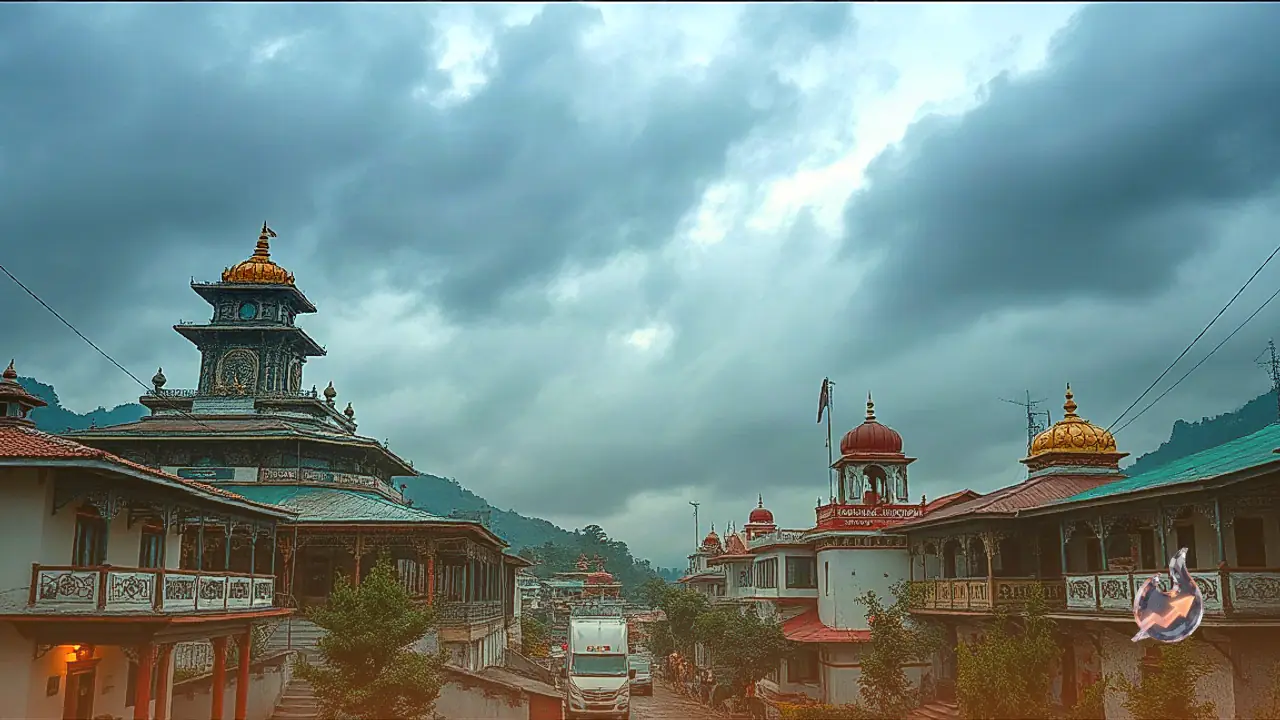
















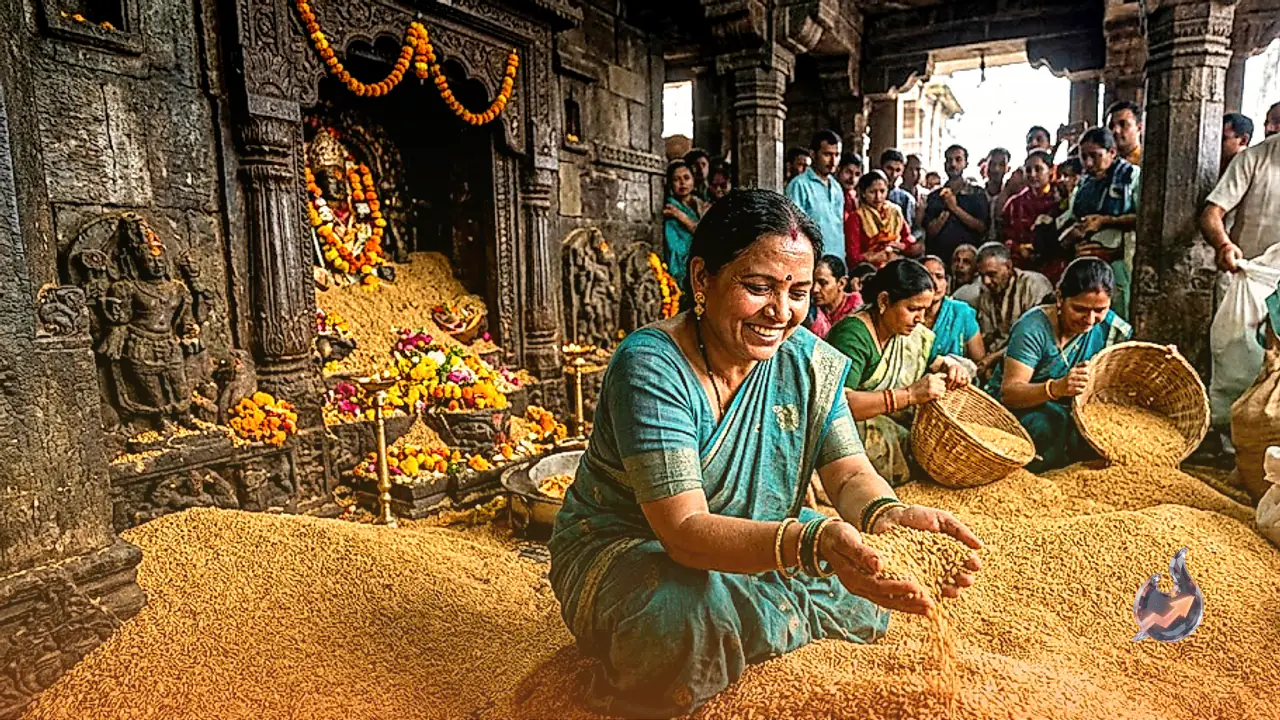

In the majestic and rugged terrains of Uttarakhand, age-old folk traditions and religious beliefs remain vibrant and deeply woven into the fabric of daily life. These long-standing customs share an unbreakable link with traditional agriculture, nature, and local deities. Within this unique cultural landscape, a fascinating ritual continues to be observed in the Danpur region of Bageshwar district. Located in Badiyakot, the revered Maa Adibadri Dham temple plays host to a highly distinctive custom where devotees offer the season's fresh harvest and completely fill the temple with wheat. Locally known as "Thapna," this sacred ceremony of filling the temple with grain represents a beautiful convergence of mountain farming culture and profound spiritual faith. Far from being a mere ritual, it symbolizes the life-sustaining relationship between the soil and the divine.
In the linguistic and cultural traditions of the Danpur region, the term "Thapna" carries immense significance. Generally associated with the auspicious commencement of any new venture, construction, or major religious event, Thapna marks a sacred beginning. During the ritual at Maa Adibadri Dham, freshly harvested wheat is ceremoniously cleaned and offered to the deity following strict Vedic guidelines. In these mountainous communities, grain is not viewed simply as food; it is revered as the very foundation of human existence. Driven by this belief, farmers offer the first and most pristine portion of their hard-earned crop to their goddess, seeking her divine protection and blessings for their households and agricultural lands throughout the year.
Preparations and Collective Community Participation
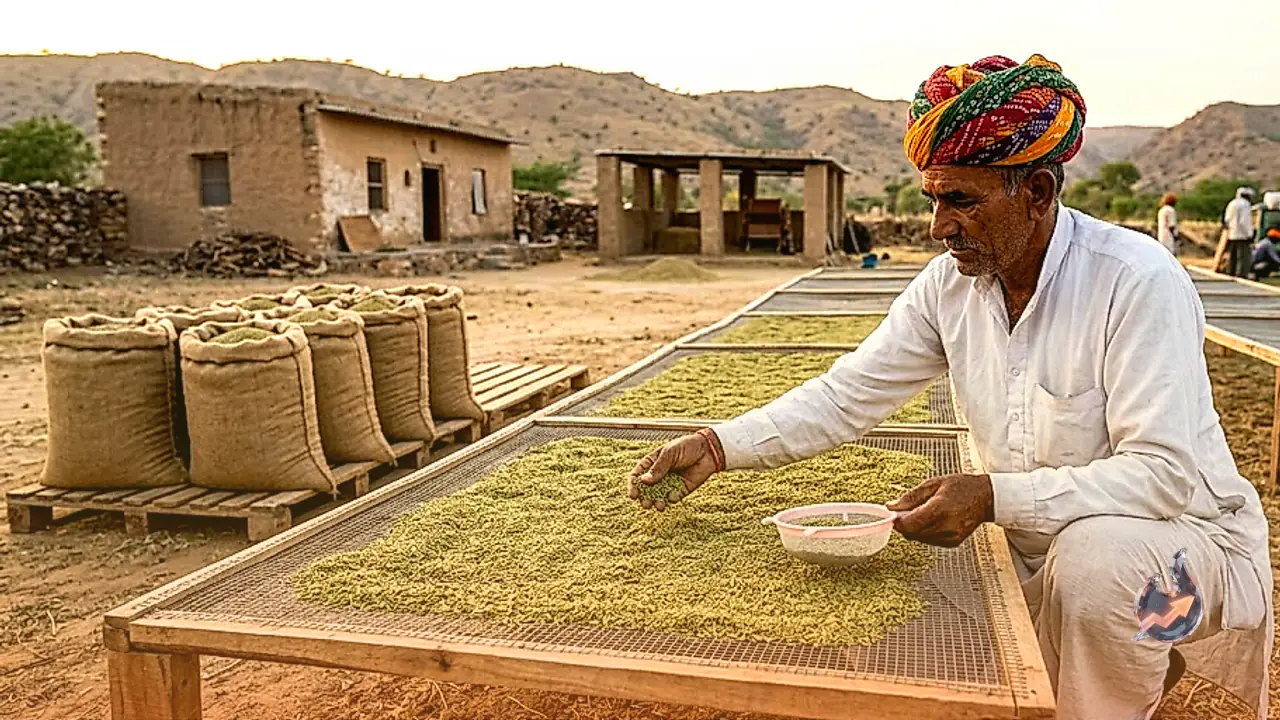
Long before the actual day of the religious ceremony, the residents of Badiyakot and the surrounding villages of the Danpur area immerse themselves in extensive preparations. The wheat designated for the Thapna offering undergoes a meticulous cleaning process. Villagers gather to carefully sift through the grain, removing any stones, dust, or impurities to ensure that only the purest offering reaches the altar. Simultaneously, the entire temple complex is thoroughly washed and decorated, and various ritual items are systematically arranged. This entire operation is viewed not as an individual chore, but as a collective spiritual duty. Once the temple is filled to the brim with the golden grains of wheat, priests initiate the special prayers and rituals dedicated to Goddess Bhagwati amid the chanting of sacred mantras.
Agriculture in the hill state of Uttarakhand has never been merely a means of earning a livelihood; it is a way of life, a celebration, and a cornerstone of local culture. Farming in the mountains is notoriously difficult, requiring farmers to toil throughout the year, brave unpredictable weather, and navigate steep, unforgiving slopes. Traditional crops such as wheat, paddy, mandua (finger millet), and jhangora (barnyard millet) form the nutritional bedrock of rural families. Under these circumstances, dedicating the principal crop of wheat to the temple showcases the farmers' tireless dedication and their profound sense of gratitude toward Mother Nature. It reinforces the ancient belief that the first fruits of human labor belong to the creator who made the earth fertile.
Grain as Goddess Annapurna and Prayers for Prosperity
According to deep-rooted Indian cultural and spiritual values, food grain is considered a physical manifestation of Goddess Annapurna, the deity of nourishment. Respecting and honoring grain, from the household kitchen to the temple sanctum, is a value passed down through generations. The practice of filling Maa Adibadri Dham with wheat is deeply anchored in this spiritual outlook. Devotees hold an unwavering belief that presenting the initial harvest to the goddess ensures that their granaries and homes will never run empty. They trust that this sacred offering pleases the divine mother, who in turn blesses the entire community with peace, health, happiness, and abundant prosperity. This deep-seated faith helps the hill people find resilience even during difficult times.
In the modern era, where rapid urbanization and changing lifestyles are altering social structures, and migration is leaving many hill villages empty, the preservation of these unique customs in the remote pockets of Uttarakhand is truly extraordinary. The Thapna ritual of storing wheat in the temple remains a powerful emblem of the region's cultural resilience. Such community gatherings serve as a vital bridge, transferring historical knowledge, values, and religious practices from the elders to the younger generation. When local youth actively participate in these ancient rites, they receive a rare opportunity to connect with their roots, understand their ancestral heritage, and appreciate the spiritual significance of their local shrines.
Social Cohesion and Preserving Cultural Heritage
One of the defining features of mountain society is its emphasis on collective action; no major social or religious task is performed in isolation. From cleaning the temple to managing the logistics of the feast and the prayers, every resident contributes their labor and resources. During the Thapna festival at Maa Adibadri Dham, this spirit of mutual cooperation becomes vividly apparent. These events serve to strengthen social bonds, cultivate a sense of belonging, and foster unity across different segments of society. The community works shoulder-to-shoulder, putting aside differences to pray collectively for the welfare, health, and prosperity of the entire region.
The folk culture of Uttarakhand thrives on this intricate, harmonious relationship between farming, seasonal festivals, holy shrines, and the natural environment. However, as the world modernizes, many of these delicate customs are slowly fading away. In this changing landscape, documenting traditions like the Thapna ceremony at Maa Adibadri Dham and educating the younger generation about them has become crucial. This beautiful custom of filling the temple with wheat teaches us that in hill societies, grain is not merely physical sustenance, but the very anchor of faith and communal life. For the local people, this ritual is both an expression of their religious devotion and a vital means of keeping their unique cultural identity alive for generations to come.