














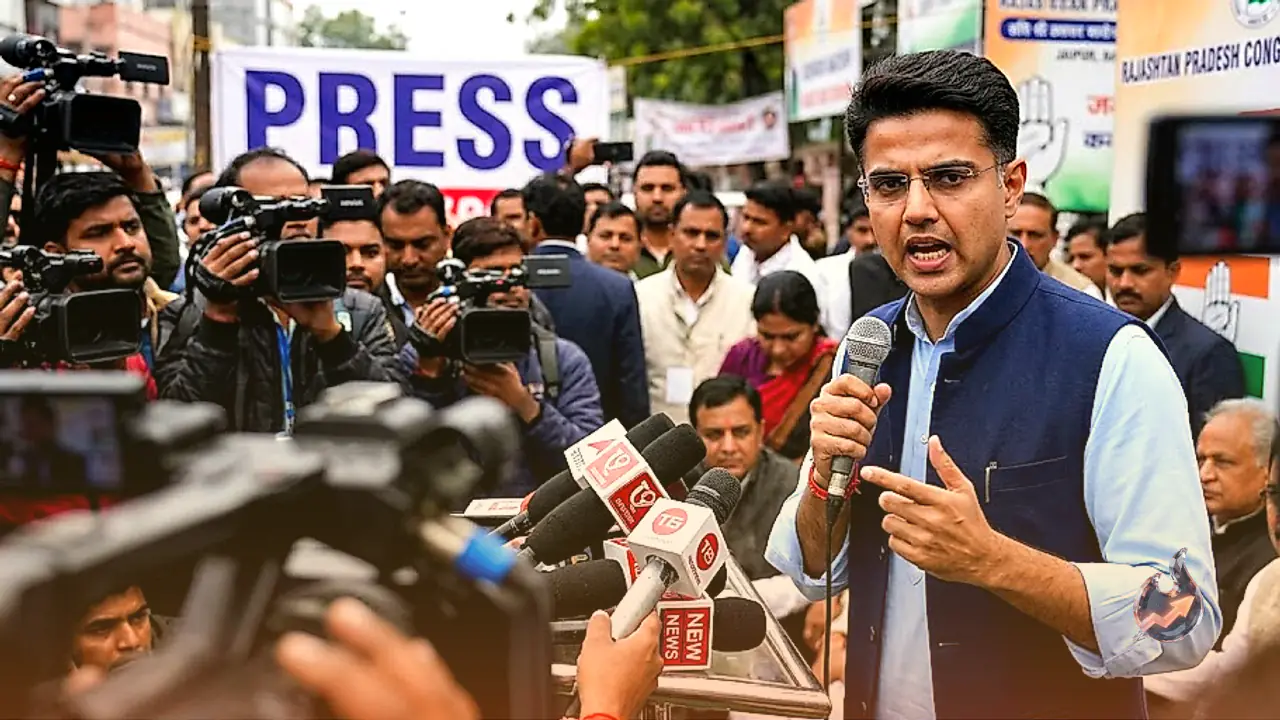

Speaking at an event in Jaipur, Congress leader Sachin Pilot voiced strong criticism regarding the functioning and operational transparency of the Election Commission. He raised concerns about Chief Election Commissioner Gyanesh Kumar, alleging that unilateral decision-making is undermining institutional fairness. Alongside his remarks on electoral administration, Pilot addressed agrarian distress caused by drought conditions in Rajasthan and the law-and-order scenario in Punjab.
Concerns Over Decision-Making Protocols at the Election Commission
Emphasizing the collective nature of constitutional bodies, Sachin Pilot stated that critical policy determinations within the Commission ought to be decided through broad consensus or majority voting among all members. He alleged that the established convention of consulting both Election Commissioners has been bypassed, leading to discretionary functioning led from the top. Pilot argued that ignoring internal checks within the body risks institutional credibility.
Voter Deletions and Centralized Roll Revisions
Addressing the process of electoral roll updates, Pilot contended that the statutory authority to add or delete names from the voter list traditionally rests with local Electoral Registration Officers, known as EROs. He alleged that these localized powers were curtailed and redirected toward central oversight from the Commission's main office in Delhi. Pilot further claimed that around 13 crore voter names have been removed across the country under SIR and other procedural exercises.
Highlighting demographic trends, Pilot remarked that while the country's population continues to grow, an unprecedented contraction in the total number of registered voters raises serious procedural questions. He characterized these systemic roll revisions as an attempt to restrict voting access following previous financial policy disruptions. Pilot specifically pointed to states such as Haryana, Bihar, and West Bengal, claiming targeted removals occurred under administrative mechanisms aligned with ruling interests.
Agrarian Crisis and Urban Local Body Elections in Rajasthan
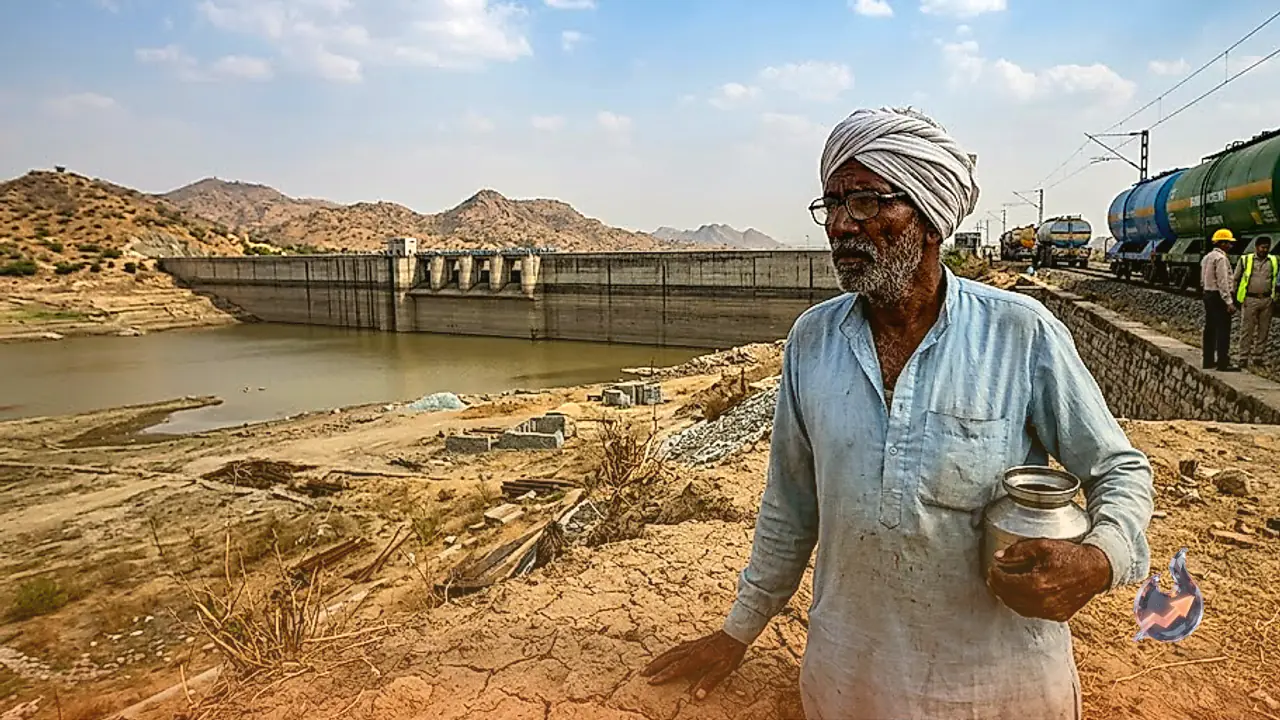
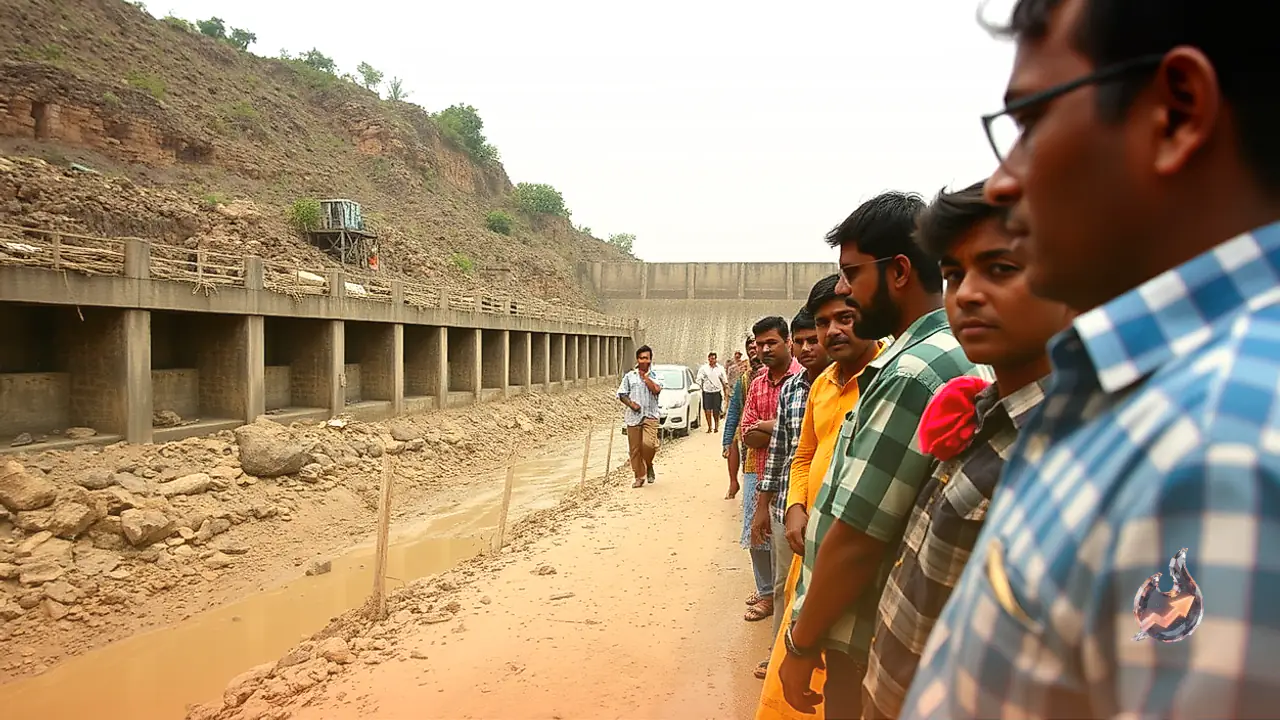
Turning to regional issues in Rajasthan, Pilot drew attention to widespread drought and agrarian distress across several districts resulting from significant monsoon deficits. He remarked that despite visible seasonal rainfall shortfalls, timely mitigation strategies and comprehensive contingency planning were neglected, with administrative focus shifting toward political management rather than public relief.
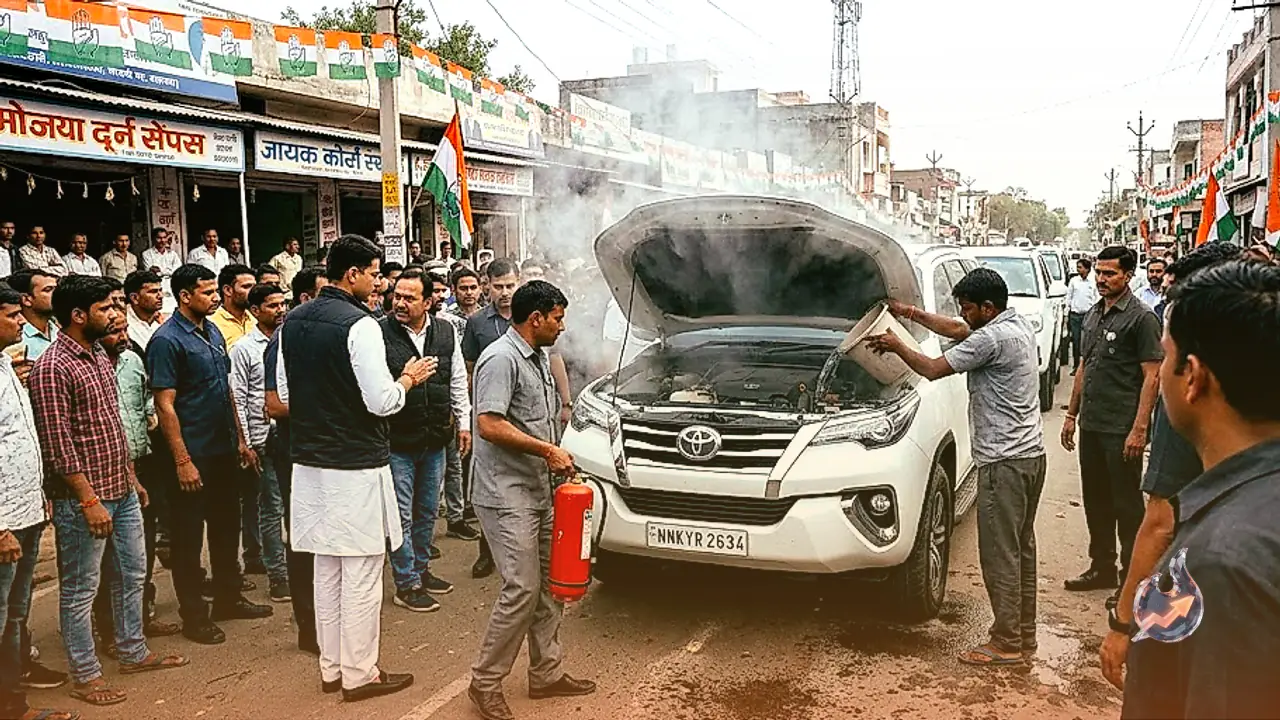
Regarding urban local governance, Pilot criticized delays in urban local body elections and the extended gaps between voting dates and the counting of ballots. He alleged that local administrative machinery and police resources were leveraged unfairly during these contests. He specifically pointed to instances where pressure was applied on council members and elected Congress representatives were stopped near the Haryana border.
Drug Smuggling in Punjab and Border Security Oversight
On the situation in Punjab, Pilot described synthetic drugs such as chitta and chemical narcotics as critical threats to youth welfare and public health. He noted that extortion threats linked to incarcerated criminal networks and rising gangster activity have severely tested local law enforcement capabilities.
Questioning anti-drug awareness campaigns run by political opponents, Pilot demanded accountability from the central government regarding measures implemented over the past 12 years to stop cross-border contraband smuggling facilitated via drones from Pakistan. Concluding his remarks on regional politics, Pilot expressed confidence in his party's organizational unity and stated that the electorate in Rajasthan would place its trust in Congress leadership in upcoming electoral cycles.