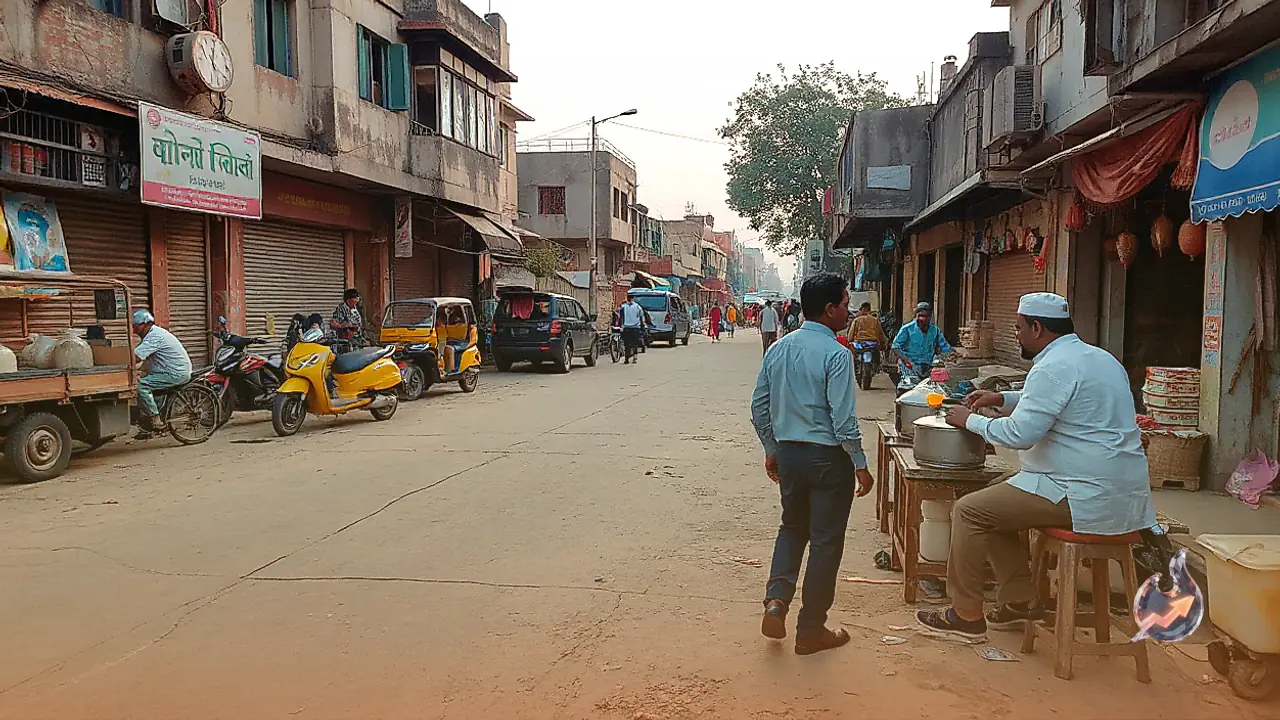
















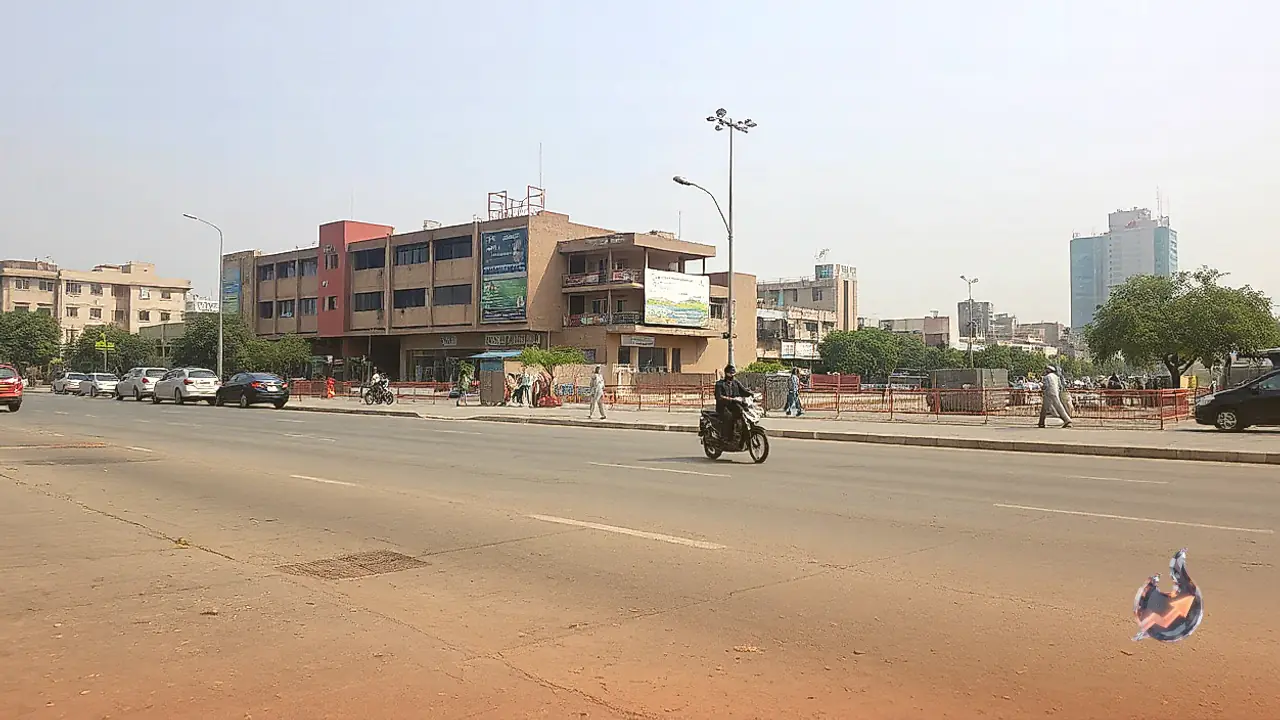

A severe surge in toxic smog pushed Lahore to the top of the global air pollution rankings on Monday. Monitoring figures compiled between 9:00 AM and 10:00 AM revealed an Air Quality Index of 530 in the metropolis, accompanied by fine particulate matter concentrations reaching 343 micrograms per cubic meter. Cairo ranked second internationally during the same window with an AQI of 226. The deteriorating air was not limited to Lahore alone, as multiple industrial and urban centers across the wider Punjab province recorded alarming pollution readings.
Dangerous Pollution Levels Across Punjab Cities
Air quality measurements showed extreme pollution across several other urban areas in Punjab alongside Lahore. Gujranwala registered an AQI of 475, followed closely by Faisalabad at 435. Multan touched an AQI mark of 280, while Sialkot reached 241. Further south in the province, Bahawalpur stood at 180, placing seventh in the regional standings. The ongoing drop in atmospheric clarity coincides with a sharp spike in agricultural stubble burning across farming belts, worsening the heavy blanket of smog settling over the region.
Health Hazards and Deep Economic Toll
A comprehensive research assessment titled 'Unveiling Pakistan Air Pollution: A National Landscape Report on Health Risks, Sources, and Solutions' by the Pakistan Air Quality Initiative delivers a systematic multisectoral emission inventory for the country. The findings highlight that chronic air pollution shortens national life expectancy by approximately 3.9 years on average. Furthermore, toxic air causes around 128,000 premature deaths every single year. Beyond the human casualty rate, the report calculates that pollution imposes a staggering economic burden equal to 6.5 percent of the gross domestic product.
WHO Thresholds Breached in Lahore
The study investigates particulate and gaseous patterns across major centers including Karachi, Islamabad, Rawalpindi, Lahore, and Peshawar. The analysis encompasses carbon dioxide, PM2.5, nitrogen oxides, and sulfur dioxide across four urban airsheds. Findings indicate that Lahore maintains an annual average PM2.5 concentration exceeding 110 micrograms per cubic meter. This level exceeds the World Health Organization annual guideline of 5 micrograms per cubic meter by more than 22 times. The report notes that sustained exposure to such hazardous air threatens to cut the life expectancy of Lahore residents by up to seven years.
Transport Sector and Factories Drive Emissions
Identifying the primary causes of particulate buildup, the assessment found vehicular transport to be the single largest contributor to primary PM2.5 in Lahore. Industrial manufacturing follows as the second biggest source, accounting for 28 percent of emissions, while brick kilns contribute another 17 percent. These persistent emissions combine with winter weather dynamics that trap airborne particles near the surface. The report stresses that implementing targeted structural interventions across these sectors could successfully cut overall emissions by up to 50 percent.