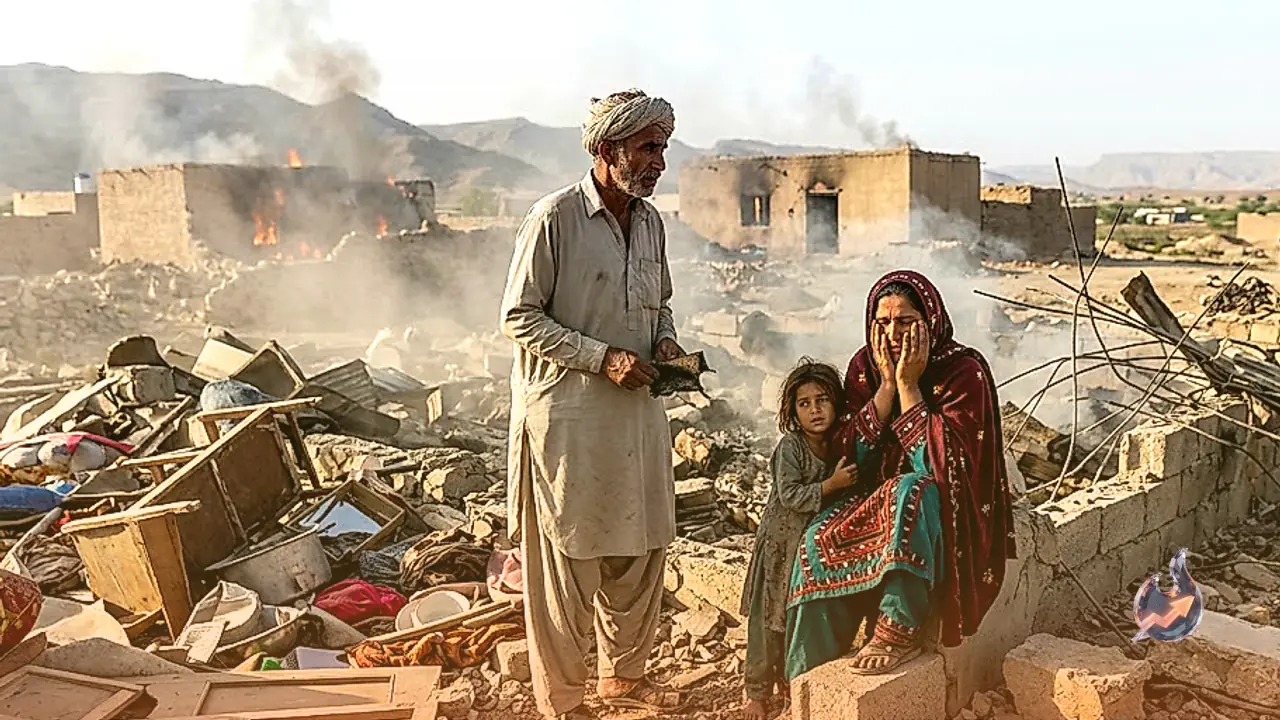




















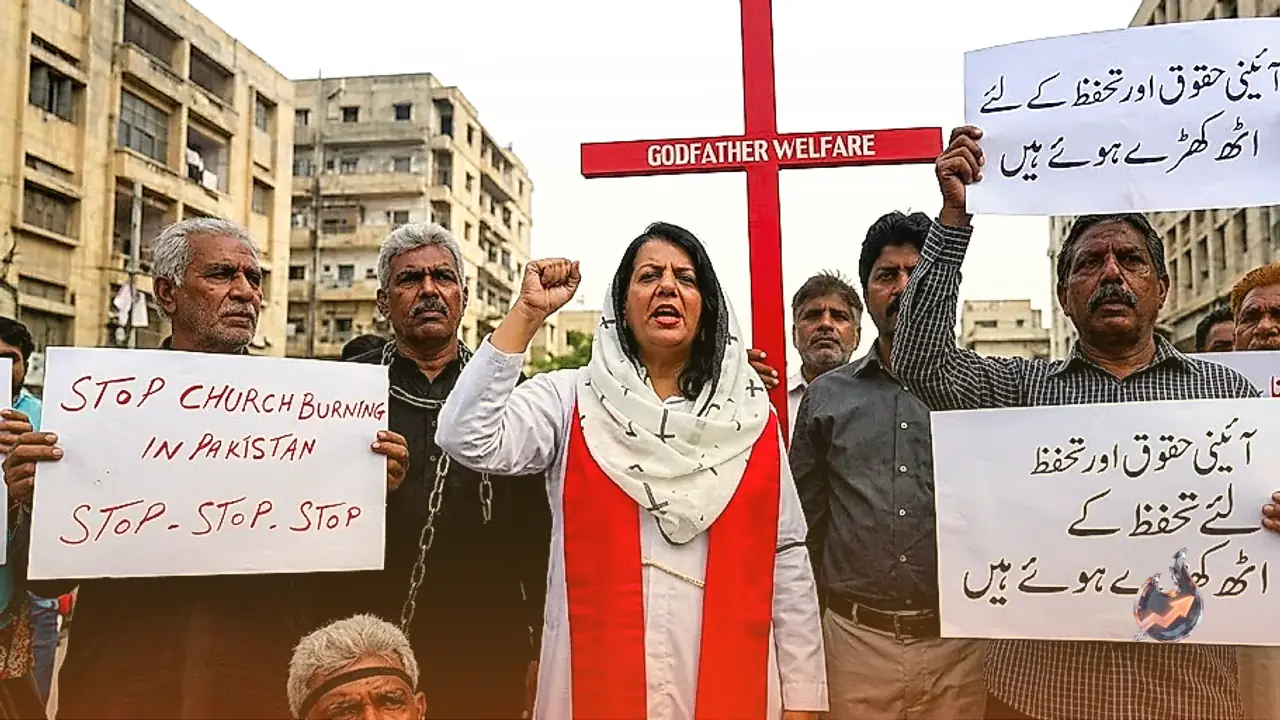

Mounting concerns over the misuse of religion in legislation have resurfaced in Pakistan, following official documents presented before the country's parliamentary human rights committee. The data, submitted by provincial authorities and police officials, reveals that out of 333 blasphemy cases registered over the past five years, nearly half have turned out to be completely fabricated. These bogus complaints have primarily targeted members of the Christian community and other religious minorities, who often find themselves entangled in personal vendettas.
Pakistan's blasphemy laws are widely regarded as among the most stringent in the world, carrying severe penalties for offenses deemed insulting to any religion, religious text, prophet, or sacred symbol. Despite the gravity of these laws, questions regarding their rampant abuse have persisted for years. The release of these new statistics has reignited a fierce debate over the integrity of the legal framework and the safety of vulnerable populations.
Provincial Breakdown and Regional Statistics
According to the official figures provided to the parliamentary panel, the distribution of cases varied across the country's provinces. Sindh recorded the highest number with 125 cases, closely followed by Punjab with 116 registered complaints. Khyber Pakhtunkhwa reported more than 90 cases, while Balochistan logged 28 incidents. Across these regions, a significant number of those accused under these contentious provisions belonged to Christian and other minority groups.
Provincial home secretaries and police chiefs informed the parliamentary committee that many of these accusations stemmed from malicious intent rather than actual offenses. Authorities found that personal enmities, family disputes, land ownership battles, and desires for personal revenge frequently motivated the accusers. During subsequent investigations, multiple cases lacked any substantial evidence to support the claims, leading to their eventual dismissal by law enforcement.
Human Rights Organizations Voice Deep Concern
Civil society groups and human rights organizations have expressed alarm over these findings, asserting that the legislation has long been weaponized against religious minorities. Activists argue that the law is frequently exploited to intimidate vulnerable communities, settle personal scores, and unlawfully seize property. Without stringent deterrents against those who file false complaints, advocates warn that such abuses will continue to proliferate.
The minority rights organization Voice of Pakistan Minority highlighted that individuals accused of blasphemy often become targets of mob violence long before any judicial verdict is reached. The group contends that the absence of strict penalties for filing fraudulent charges emboldens perpetrators, undermining the rule of law and leaving innocent citizens dangerously exposed to public fury.
The infamous case of Rimsha Masih was also brought back into the spotlight by advocacy groups. Masih had been accused of desecrating the Quran, but subsequent investigations proved that the allegations had been entirely fabricated. Although she was eventually released, her family endured immense social pressure, severe trauma, and prolonged hardship before the truth came to light.
Human rights defenders argue that the country's judicial and administrative systems have failed to provide timely protection to innocent individuals trapped in false litigation. They emphasize that unless accountability is enforced against those who fabricate charges, the credibility of the entire justice system will continue to erode.