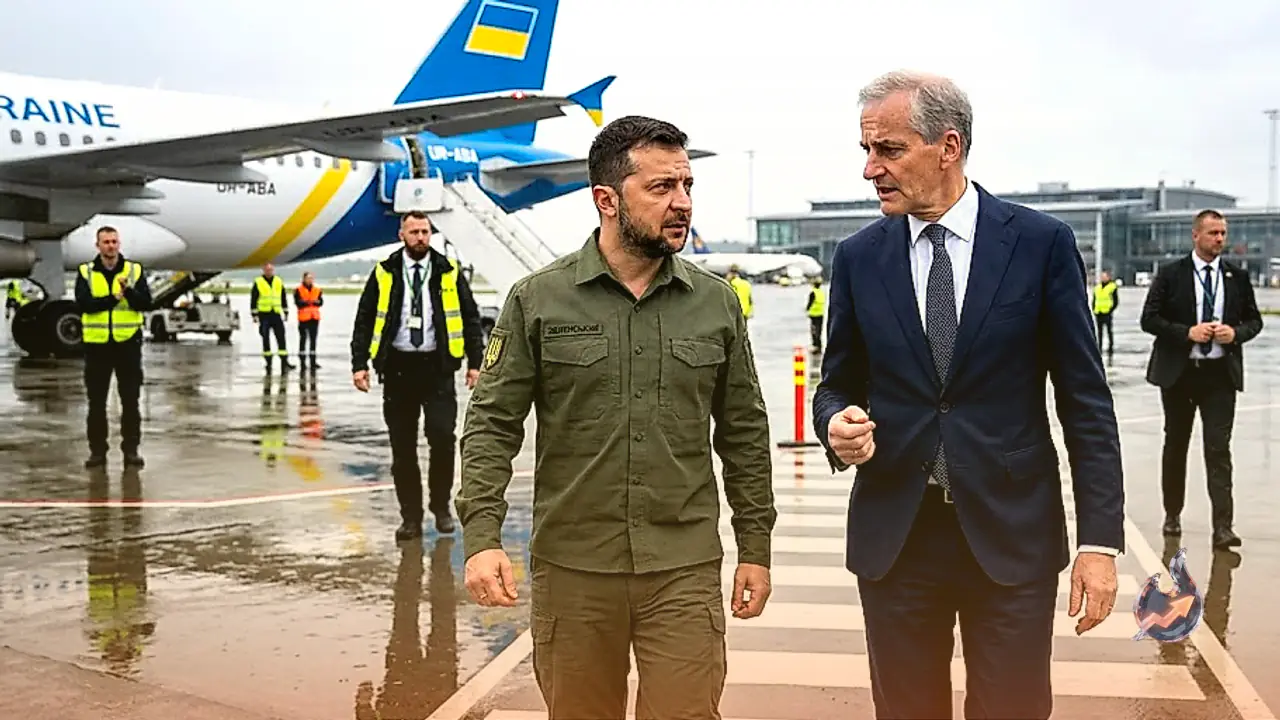























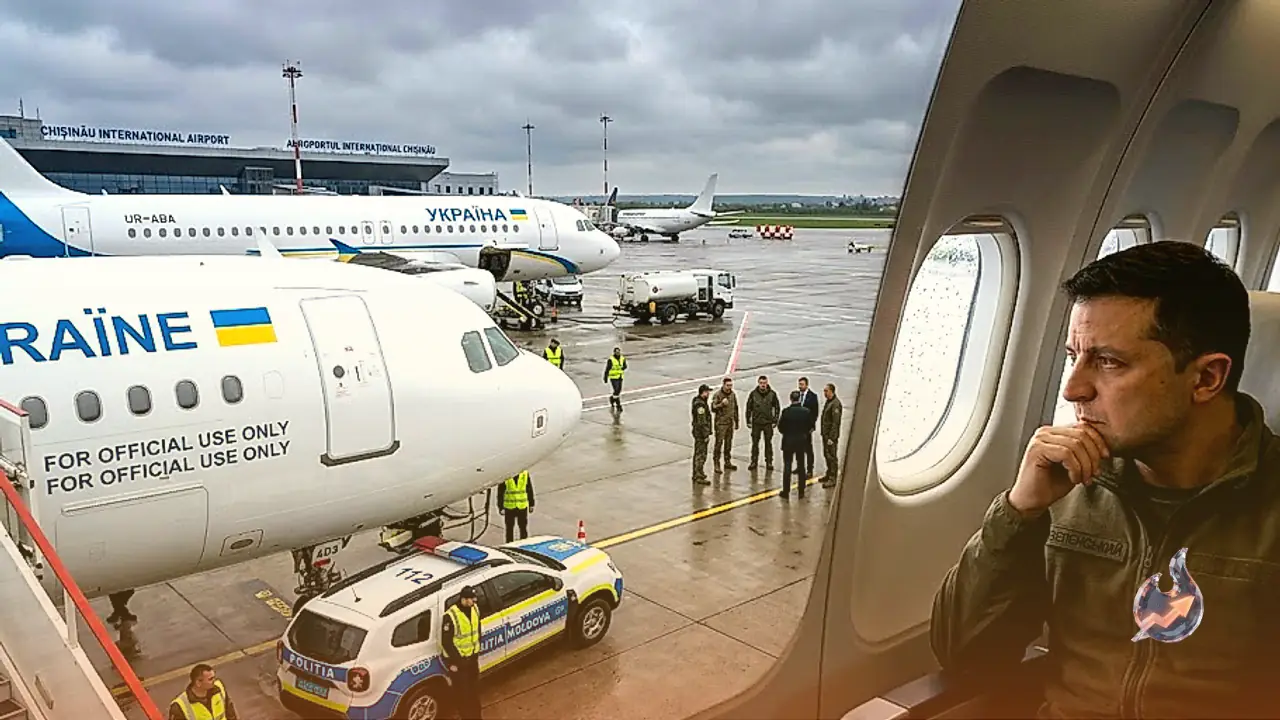

Ukrainian President Volodymyr Zelensky faced a tense delay ahead of his trip to Norway after a Russian drone crossed into Moldovan airspace. The incident unfolded as the Ukrainian leader and his wife Olena were seated on their aircraft at Chisinau International Airport, awaiting a flight to Oslo to attend the funeral of Norway's King Harald V. The unmanned aerial vehicle triggered an immediate security lockdown, forcing authorities to close the airspace and leave the presidential jet grounded on the tarmac for roughly an hour. Flight authorization was granted only after intelligence confirmed that the rogue aircraft had traveled deep into Moldovan territory before crashing.
Airspace Closure and Flight Disruptions
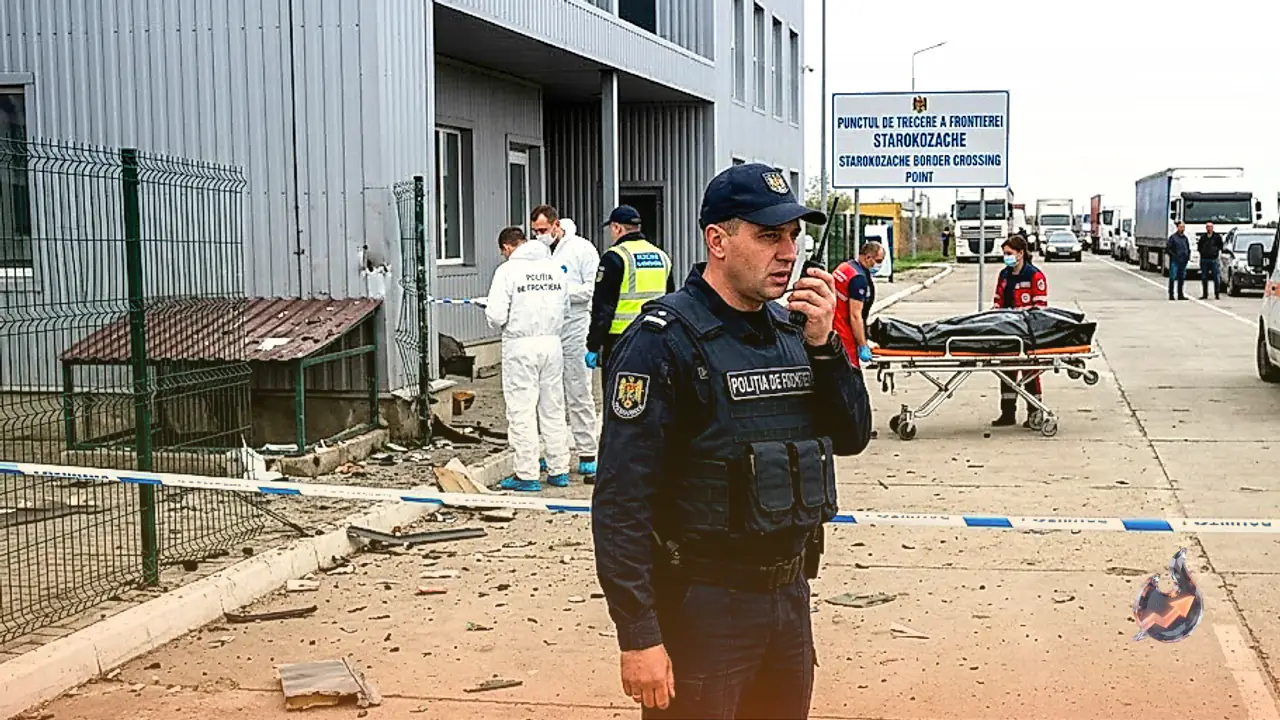
Moldovan government spokesman Dumitru Ciorici explained that authorities shut down national airspace immediately after detecting a Russian drone crossing the border from the direction of Ukraine. The security measure resulted in three departing and four incoming flights being delayed. Local authorities confirmed that by 17:20 local time, the drone had descended and exploded approximately 160 kilometers away from Chisinau International Airport in the village of Mihăilenii Vechi. Once the impact site was verified and the immediate vicinity was declared secure, the runway restrictions were lifted, allowing the Ukrainian delegation to finally depart.
High-Level Talks in Oslo
Despite the initial logistical hurdle, President Zelensky and Olena arrived safely in Oslo on Tuesday evening. During his visit, the Ukrainian leader held formal discussions with Norwegian Prime Minister Jonas Gahr Støre and other senior officials to coordinate vital military aid and defense strategies. While in Chisinau, the drone proximity caused genuine alarm among allied leaders. Prime Minister Støre told public broadcaster NRK that the presidential flight had nearly been struck by a drone during takeoff. Conversely, a Ukrainian source told Agence France Presse that the immediate danger surrounding the aircraft had been exaggerated.
Expanding Drone Warfare and Long-Range Strikes
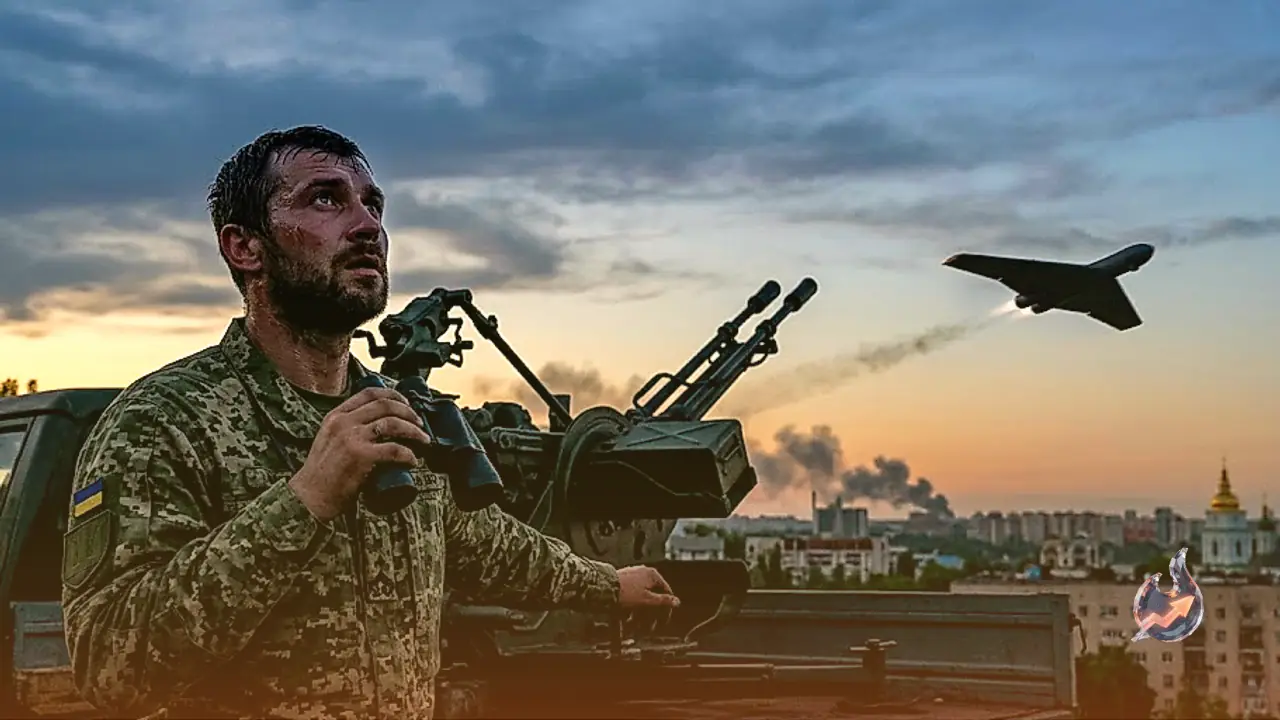
The incident highlights the evolving tactical landscape, as the Russian military increasingly deploys advanced jet-powered unmanned aircraft that fly faster and present severe interception challenges. Recent data analysis indicates that the Ukrainian capital Kyiv has endured a surge in air raid alerts, averaging ten daily warnings, marking the highest frequency since the conflict began in 2022. Concurrently, Ukraine has escalated its own long-range drone operations, recently executing a landmark strike on energy infrastructure deep inside Russian territory.
Deep Strikes into Siberia and Civilian Impact
In what Ukrainian Special Operations Forces described as their deepest attack since the war started, drones flew over 3,000km to strike a gas processing plant in the Yamalo-Nenets autonomous district of Northern Siberia. This region serves as a foundational pillar for Russia's oil and gas processing network. Meanwhile, domestic infrastructure in Ukraine continues to absorb heavy strikes, including an overnight Russian attack on a Kyiv petrol station that seriously injured four individuals. Ukrnafta CEO Bohdan Kukura condemned the strike on social media as an act of terror aimed at intimidating the civilian population, underscoring the relentless toll of the ongoing war.