

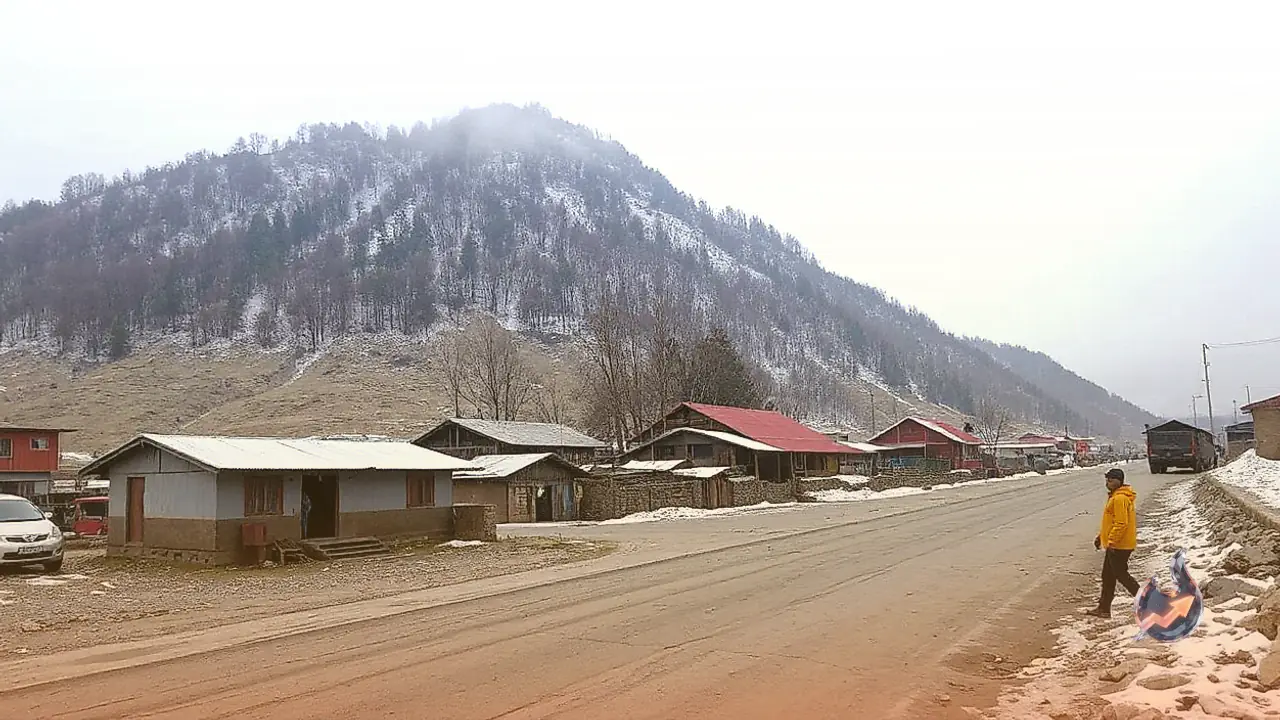















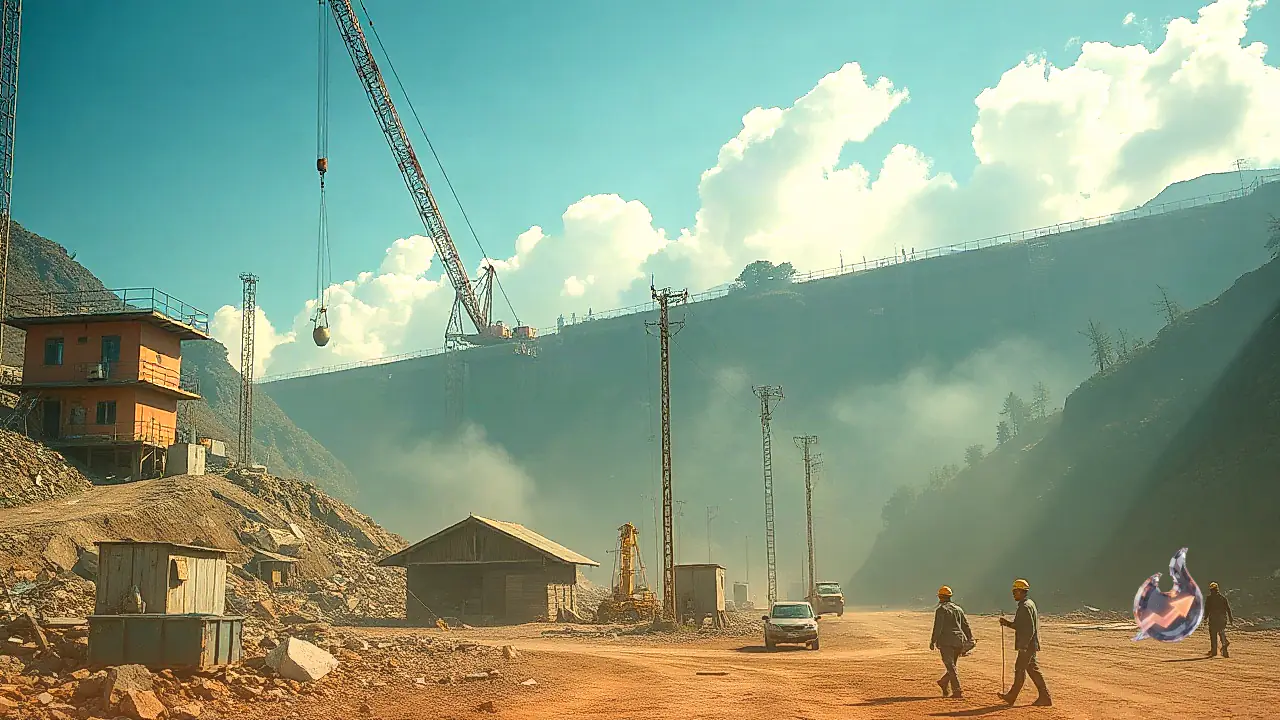

When a massive flash flood struck the Trishuli Valley in Nepal, subterranean hydropower tunnels transformed into perilous traps for the laborers working inside. Amidst widespread destruction and a desperate search for survivors, a simple messaging group emerged as an unexpected lifeline. Comprising five hundred engineers and industry specialists, this digital collective stepped up as a vital asset for rescue personnel. By swiftly sharing confidential blueprints, structural layouts, and precise coordinates when official maps were unavailable, the network guided teams to a remarkable breakthrough, successfully pulling two workers alive from the wreckage nine days after the disaster.
A Collaborative Digital Network
The messaging group brings together a diverse array of professionals, including civil engineers, former hydropower personnel, officials from the Nepal Electricity Authority, and geotechnical specialists. When the raging floodwaters completely altered the geography of the Trishuli Valley and obliterated tunnel entrances, this forum transitioned into a real-time coordination hub. Members pooled their collective knowledge to assist ongoing operations, ensuring that rescue workers on the ground had immediate access to critical data.
Instant Access to Structural Blueprints
Locating the exact entry points and internal pathways of the buried tunnels presented the most formidable hurdle for search teams. When responders encountered difficulties near the Chilime Hydropower Plant, an official posted a request in the group for layout drawings. Within minutes, a participant shared comprehensive diagrams of the powerhouse, access tunnels, and emergency exits. Drawing upon personal experience and memory, former employees also helped pinpoint areas where workers might have sought shelter as the disaster unfolded.
A Miraculous Breakthrough After Nine Days
According to Rajaram Basnet, a spokesperson for the Nepali Army, the deluge severely compromised the structural integrity of the tunnels, packing them with millions of tons of mud and debris. Nonetheless, intelligence gathered through the digital network enabled rescue squads to penetrate the Upper Trishuli 3A project tunnel. On Friday, exactly nine days after the calamity, two employees identified as thirty-year-old Sanjay Shah and forty-five-year-old Kabir Maharjan were extracted safely from the subterranean passage, defying the odds in what rescuers described as a miraculous recovery.
Technology Meets Humanitarian Effort
Beyond mapping assistance, the messaging platform has facilitated logistical support, such as guiding teams on routing oxygen supply lines into the blocked shafts. Furthermore, the group aids in coordinating the last known locations and mobile numbers of missing personnel with telecommunication authorities. Technical insights from the forum are also being utilized to plan the extraction of forty-six other workers trapped at the Rasuwagadhi project. Operating alongside heavy machinery and military personnel, this digital initiative has become an indispensable component of the rescue mission.