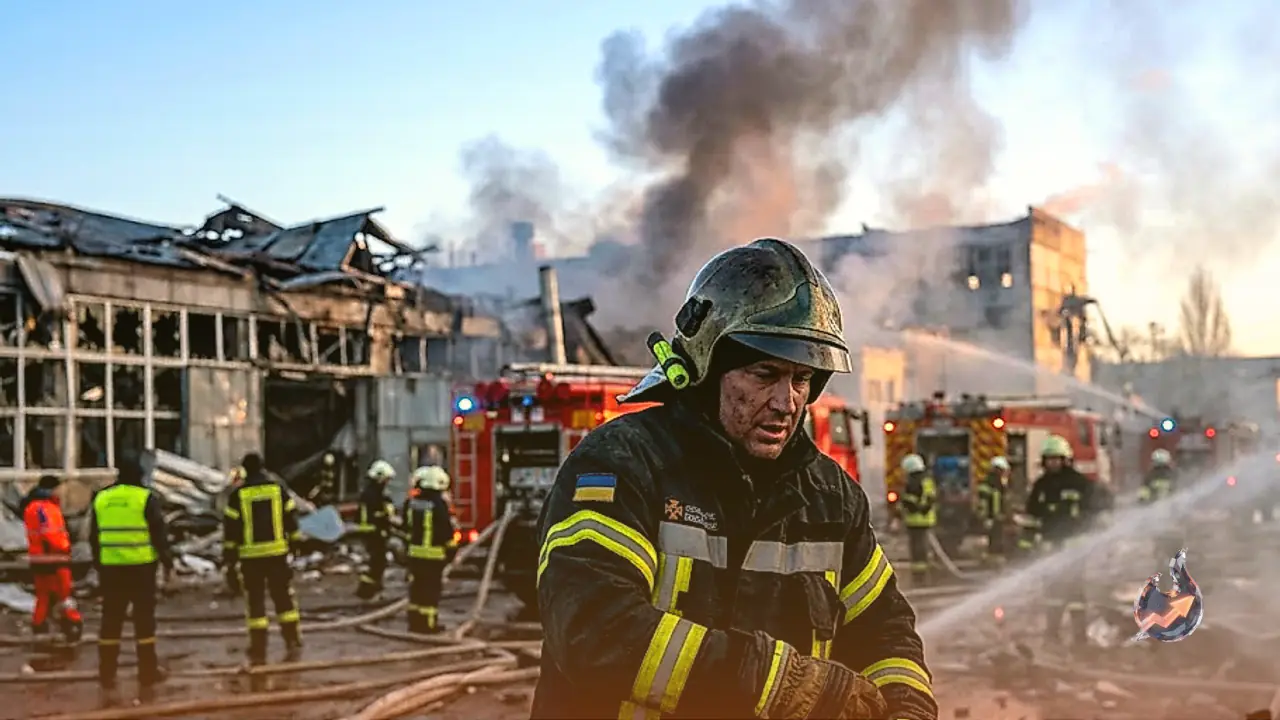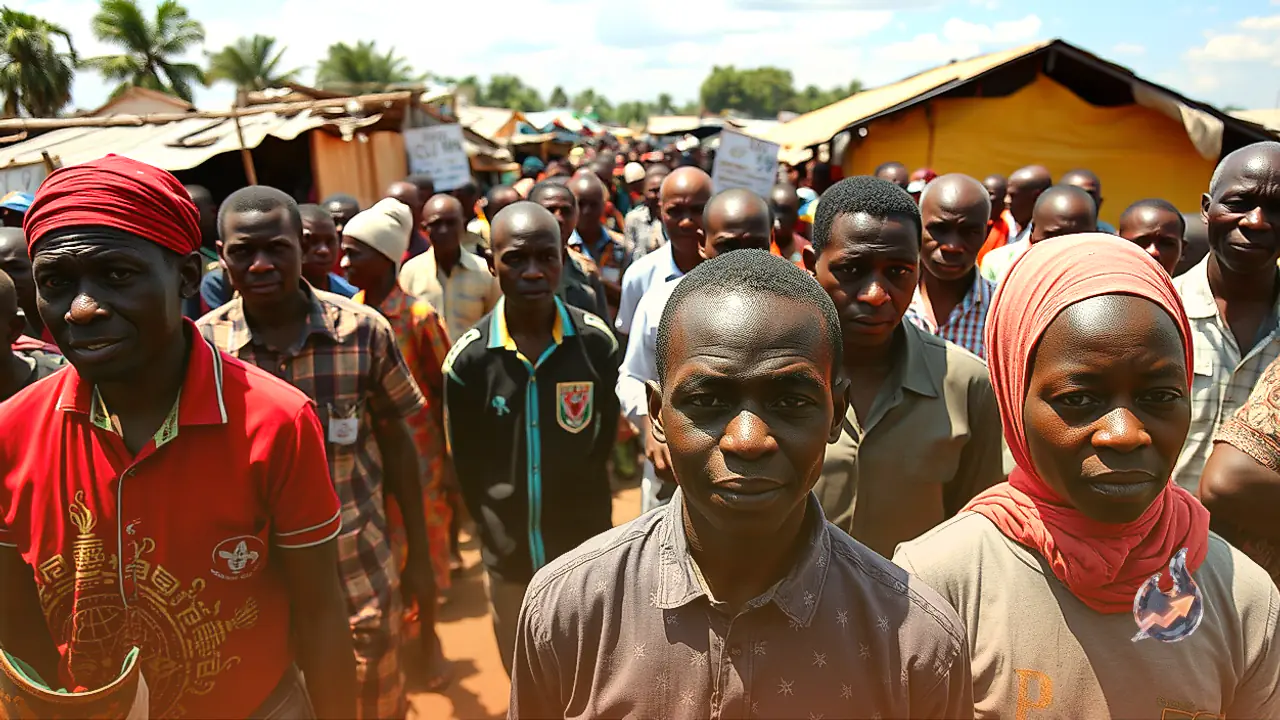



















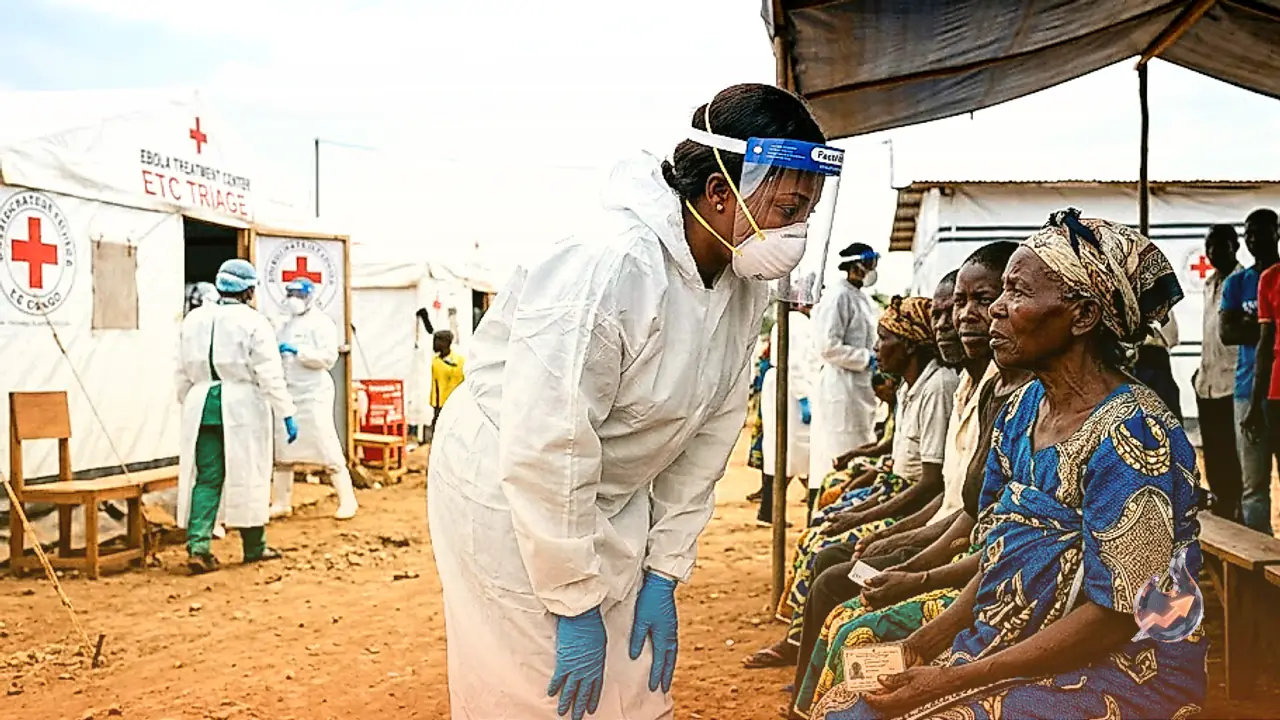

A severe Ebola outbreak in the Democratic Republic of the Congo has claimed more than 2,000 lives in less than three months since its official declaration, with over 1,000 of these fatalities occurring in the last 20 days alone. According to official health data, the rapid spread of the Ebola virus has led to a total of 4,381 confirmed cases and 2,011 deaths across five provinces as of last Tuesday. The sharp acceleration in casualties over recent weeks has raised urgent international concerns among public health officials and humanitarian aid agencies.
Rapid Surge in Ebola Fatalities Over Recent Weeks
The health crisis in the Central African nation has escalated rapidly. Official data indicates that the mortality rate has surged dramatically over the past three weeks compared to the earlier stages of the outbreak. Back in May, reports had recorded over 900 confirmed Ebola cases alongside 119 suspected deaths in eastern DR Congo. However, the virus has since expanded its footprint to five provinces, driving total confirmed infections to 4,381 and pushing the death toll past the 2,000 milestone.
Second-Largest Outbreak in DR Congo in a Decade
This epidemic stands as the fastest-spreading Ebola outbreak in DR Congo over the last 10 years. It also represents the largest outbreak recorded since the massive 2014 to 2016 West Africa crisis, which resulted in 11,310 deaths. The current rate of transmission is placing immense strain on local health infrastructure, drawing comparisons to earlier major public health emergencies in the region.
International Emergency Calls for Immediate Relief Action
The swift rise in casualties has prompted urgent appeals from senior global relief leaders. Julien Harneis, the Senior Ebola Coordinator appointed by the UN Emergency Relief Coordinator, highlighted the terrifying trajectory of the disease on social media platform X. He noted that half of the total deaths recorded so far occurred within just the past 20 days.
"All relief workers, organizations, governments, donors and community members must join forces today to save lives and stop the Ebola virus.": Julien Harneis
Harneis stressed that aid agencies, governments, and international donors must intensify their emergency operations immediately to curb further transmission and protect vulnerable populations.
WHO Field Support and Frontline Health Infrastructure
The World Health Organization (WHO) is actively working to maintain essential medical services and contain the spread of the virus. In an update shared on X, WHO confirmed it donated 20 hospital beds to a local maternity ward to ensure vital healthcare functions continue. To bolster field operations, the organization trained 100 hygienists, 100 surveillance and Infection Prevention and Control (IPC) officers, 4 decontamination teams, and 2 safe burial teams. WHO officials reiterated their commitment to mobilizing all available medical and technical resources.
Capacity Doubled at Lita Treatment Center
To strengthen frontline healthcare capabilities, WHO announced an expansion of its dedicated treatment facility in Lita, DR Congo. The center's capacity is being doubled from its initial 40 beds to 80 beds. This expansion project is being executed in partnership with the local Ministry of Health and several humanitarian organizations, including UNICEF, ALIMA, the World Food Programme (WFP), and MONUSCO. The increased bed capacity aims to provide timely medical care to severely ill patients as health authorities strive to contain the outbreak.