




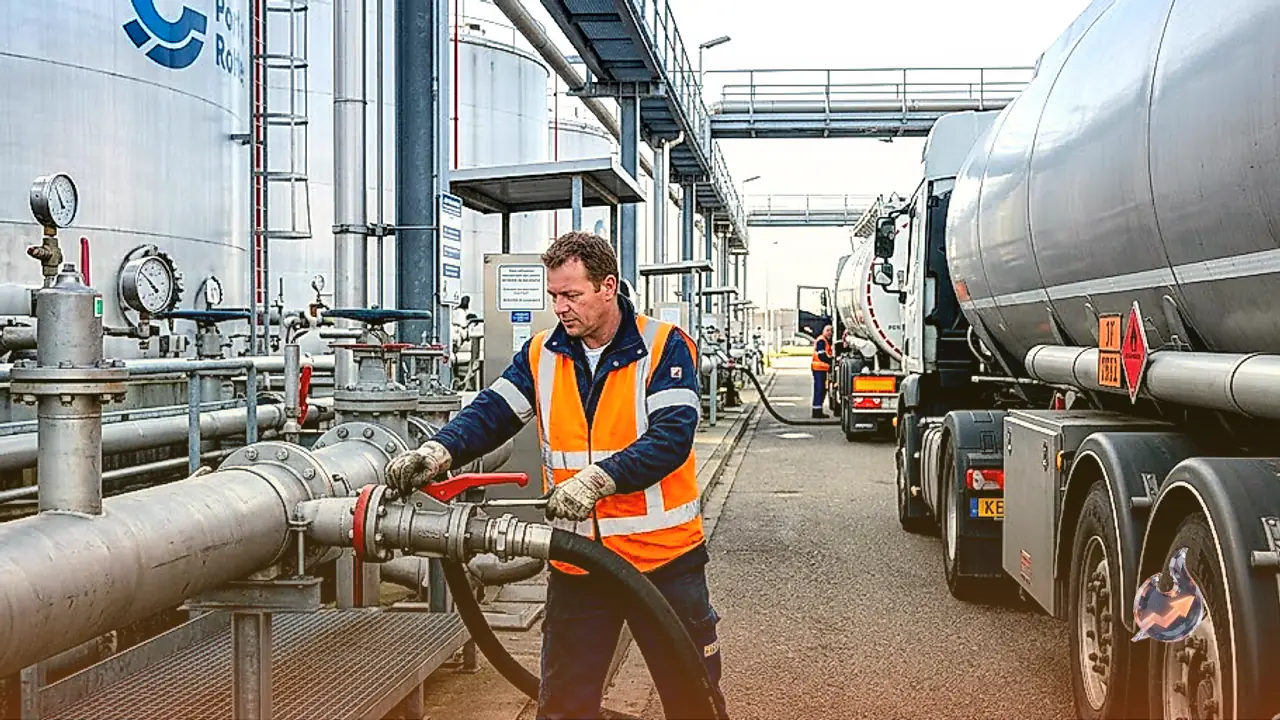


















Confronted with soaring domestic fuel expenses and mounting political deadlines, the United States has secured critical intervention from its international industrial partners. The Group of Seven economies agreed to inject 100 million barrels of crude and refined petroleum products from their strategic stockpiles into the market. Designed primarily to cool record diesel costs and ease logistical crunches, this coordinated initiative will be rolled out immediately, led substantially by European nations supplying major volumes from their private and state holdings.
Midterm Pressures and Record Fuel Price Surges
Despite possessing the world's most extensive petroleum reserves, the United States has encountered acute shortages in refined products, with diesel hitting unprecedented price thresholds. The surge arrives as President Donald Trump and the Republican Party confront severe domestic scrutiny ahead of November's midterm elections, where inflationary pressures carry decisive political consequences. Tracking from the American Automobile Association showed the national average price for a gallon of diesel climbing to an unprecedented high of $6.52 on September 22. Although that figure eased marginally to $6.37 per gallon by Friday, transport networks and everyday businesses continue to absorb punishing operating overheads.
Late-Night Diplomacy Leads to G7 Emergency Talks
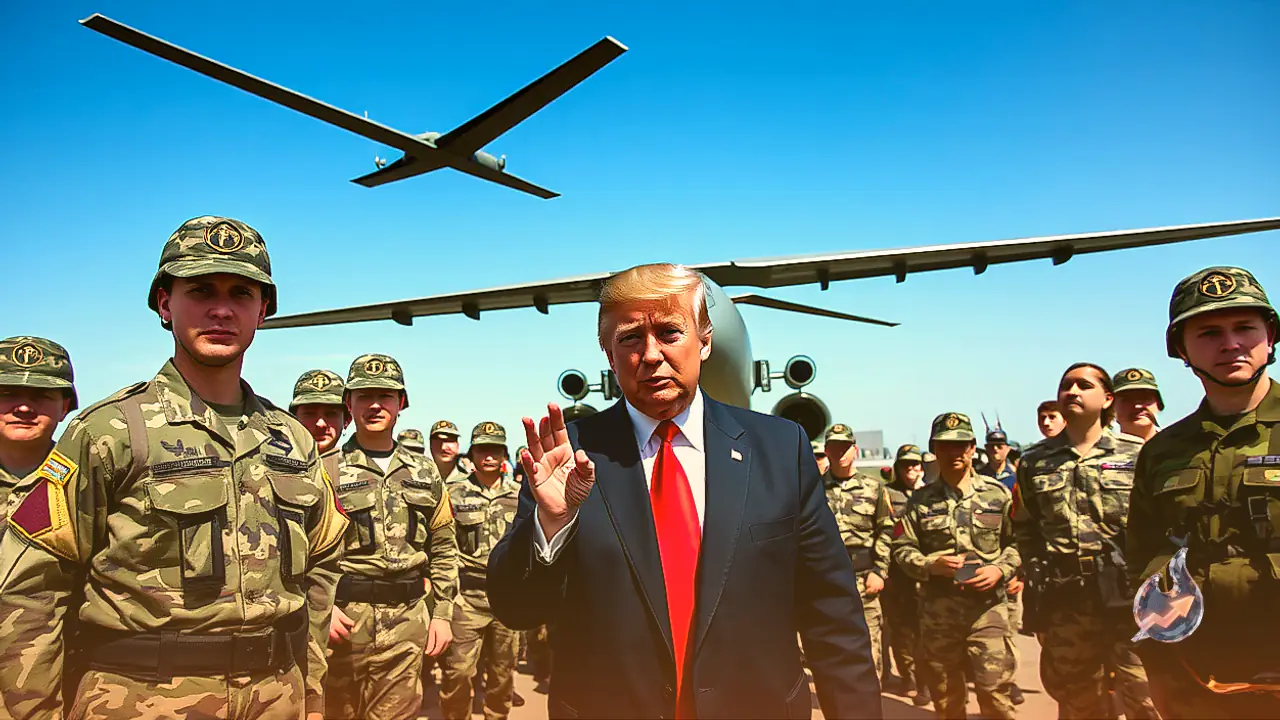
Addressing the escalating supply crunch, President Donald Trump engaged in late-night consultations with French President Emmanuel Macron, who currently serves as head of the G7 forum. Information released by the French embassy in Washington confirmed that following their exchange over fuel costs and petroleum availability, Emmanuel Macron convened an emergency virtual conference involving leaders across the industrial bloc. Outlining the breakthrough on social media this Friday, Donald Trump confirmed European partners consented to tap massive reserve volumes, highlighting that diesel shipments would begin rolling out right away to stabilise consumer distribution networks.
Four-Month Release Supervised by the IEA
Execution of this multinational supply injection will be steered through the International Energy Agency, ensuring coordinated delivery schedules across member states. The overall release of 100 million barrels is programmed to unfold over a four-month timeframe, functioning as an economic bridge through intense seasonal consumption. According to French officials, member nations intend to carry out their fuel commitments through the agency without delay, structuring an initial 20-day phase focused almost exclusively on pushing large-scale diesel reserves into circulation to trigger immediate price softening.
Geopolitical Conflicts and Broadening Economic Costs
The severe disruption in energy markets reflects compounding pressures from sanctions and ongoing international hostilities. Restrictions placed against Iran and Russia, combined with commercial friction and an eight-month conflict involving Iran, have driven widespread price jumps across primary commodities, gas, and transport fuels. These prolonged inflationary strains have chipped away at Donald Trump's public approval ratings. While the American president has repeatedly defended the financial hardships as a necessary expense to prevent Iran from obtaining nuclear weapons and claimed prices would retreat once hostilities cease, the conflict shows no near-term path toward conclusion.