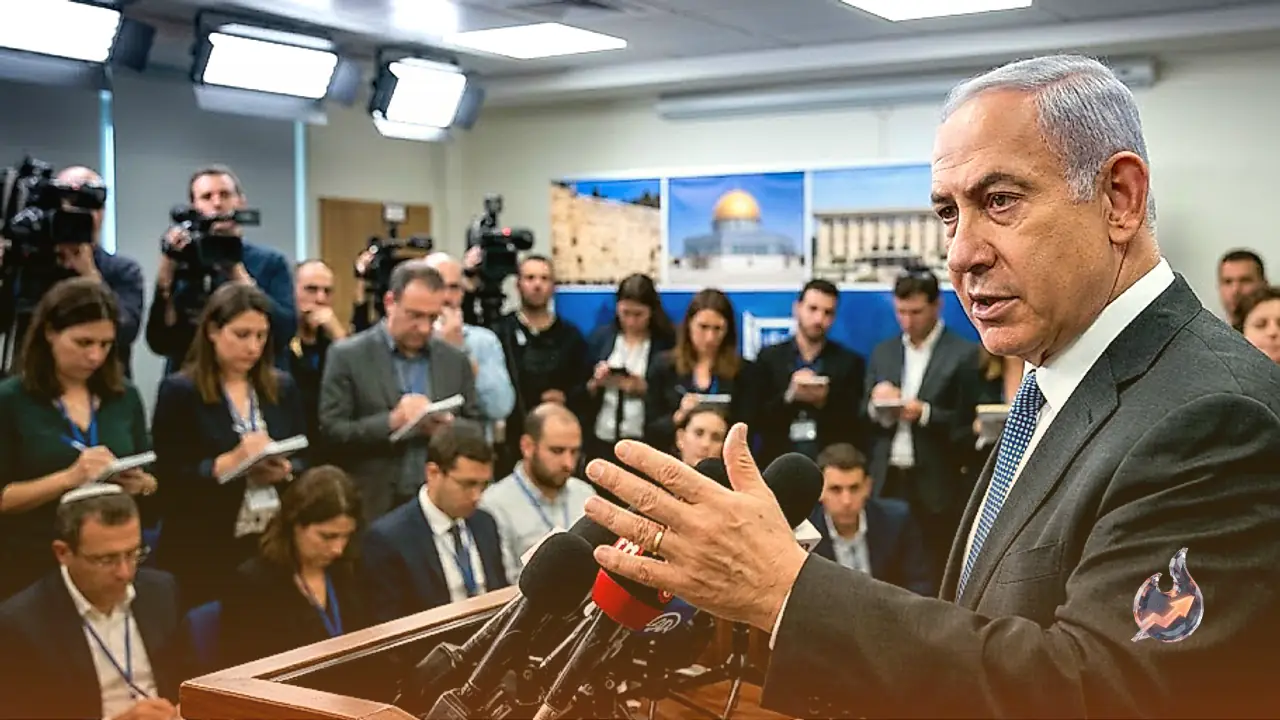






















A volatile security crisis is escalating rapidly across the Middle East, sparking intense fears that direct military confrontation could reignite at any moment. Israeli Prime Minister Benjamin Netanyahu has openly declared that the nation behind dispatching the co-pilot will face severe consequences. Security analysts suggest that should intelligence findings substantiate an operational connection between the Omani pilot and Tehran, Israeli airstrikes could follow without hesitation. Simultaneously, naval forces in the Arabian Sea are undergoing extensive repositioning, signaling that regional actors are preparing for imminent operational contingencies.
Multinational Intelligence Inquiry and Netanyahu's Direct Warning
A high-stakes international investigation is actively underway across several intelligence apparatuses. Israel's national intelligence agency Mossad and the American CIA are conducting rigorous inquiries alongside investigative authorities from Saudi Arabia, the United Arab Emirates, and Oman. The primary focus of the joint effort centers on examining whether the Omani pilot maintained operational ties or received guidance from Iranian handlers.
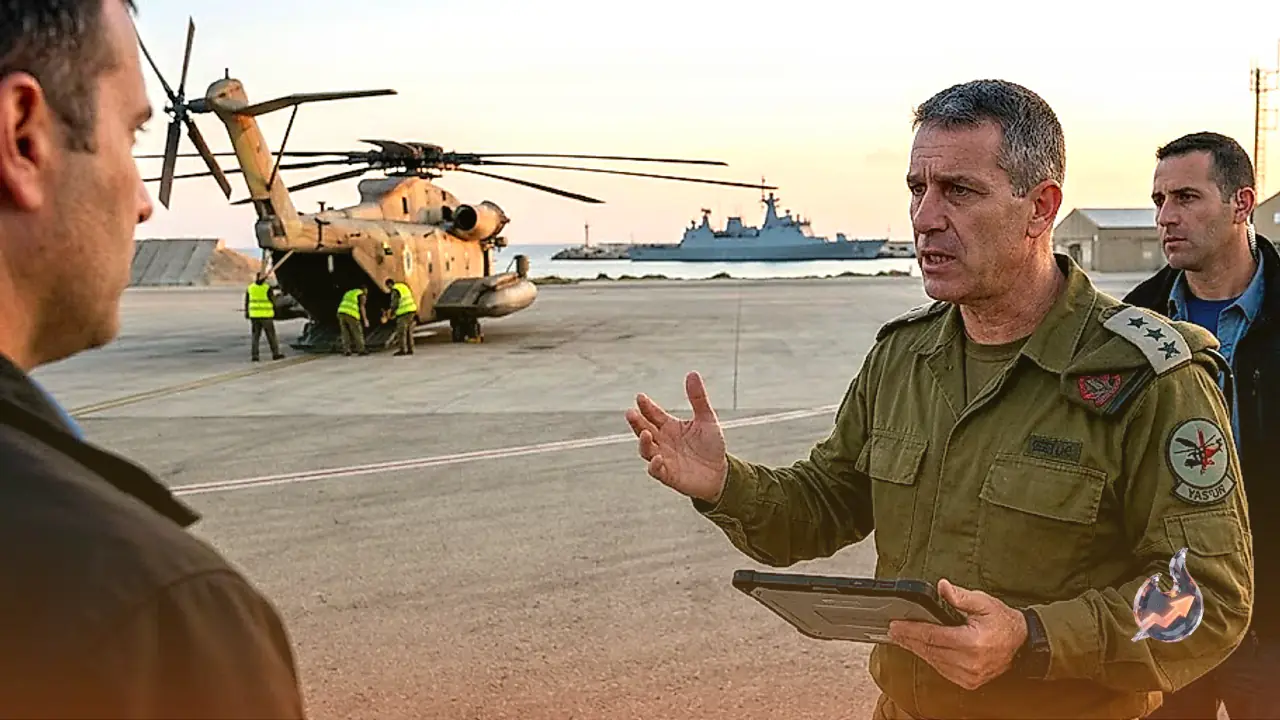
Addressing the development through an official video release, Benjamin Netanyahu delivered a stern warning to adversaries contemplating asymmetric provocations. Netanyahu stated that whoever deployed this pilot will be forced to pay an immense price, asserting that enemies will not be spared and will be taught an uncompromising lesson. Donald Trump has likewise indicated an Iranian connection behind the incident, reinforcing expectations of joint pressure.
Massive US Troop Reinforcements and Gulf Air Defense Shield
Ahead of November, the United States has initiated a massive logistical and military buildup across strategic sectors of the Middle East. To counter potential ballistic and aerial threats, advanced Patriot air defense batteries have been deployed to reinforce positions within Saudi Arabia and Qatar, strengthening key installations against sudden escalation.
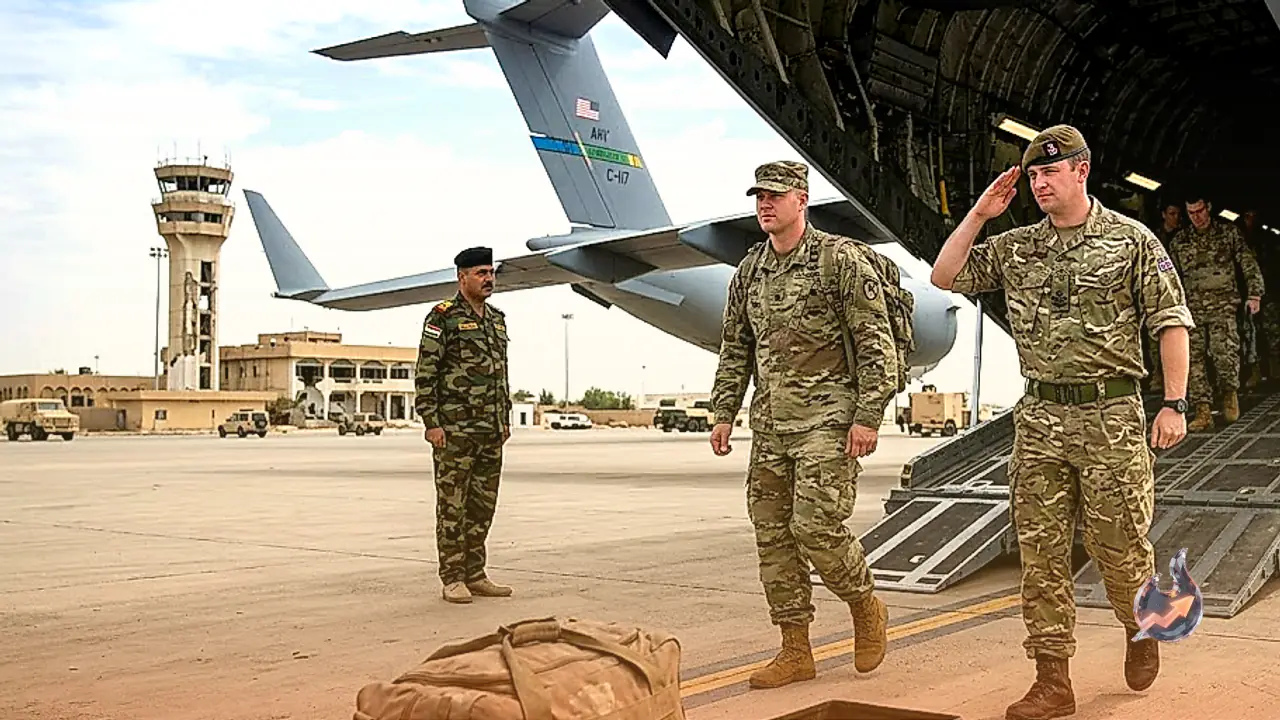
In addition to air defense infrastructure, Washington is deploying an additional 9,000 military personnel to the region. This deployment comes on top of the approximately 40,000 US troops already stationed across various operational bases in the Middle East. The influx of defensive batteries and specialized ground forces highlights growing operational readiness ahead of critical deadlines.
Strategic Warship Deployments Encircling Regional Waters
Beyond air and terrestrial buildup, the United States is orchestrating a formidable naval encirclement involving three premier aircraft carriers operating near Iranian maritime perimeter. The aircraft carrier USS Theodore Roosevelt has already departed American waters and is scheduled to assume active strike positions by November.
Meanwhile, the USS George Washington remains stationed on forward operational duty in close proximity to Iran, maintaining persistent vigilance over vital sea lanes. Supplementing this maritime shield, the USS Abraham Lincoln continues active deployments across international waters in the Middle East. The concerted coordination of three aircraft carrier strike groups underscores the heightened probability of significant clashes emerging during the opening week of November.
Iranian Missile Testing and Dual-Track Strategic Posture
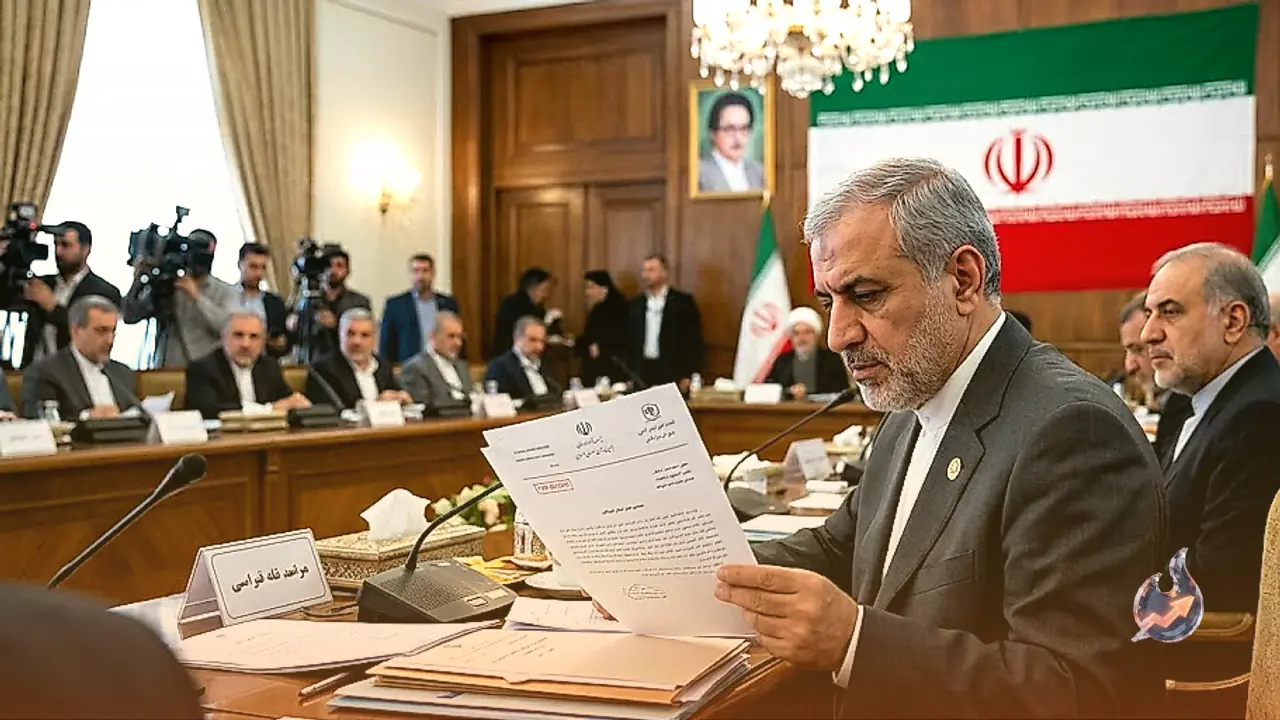
Confronting expanding military buildup on its periphery, Tehran maintains that it stands prepared for both diplomatic engagement and open warfare. Demonstrating defensive resolve, Iran conducted successful operational testing of an advanced interceptor missile engineered to chase down and neutralize hostile fighter jets mid-flight. Tehran signals that should Israeli and American fighter aircraft attempt bombing sorties over Iranian airspace as witnessed in previous conflicts, its newly tested missile arsenal will be deployed to shoot them down.