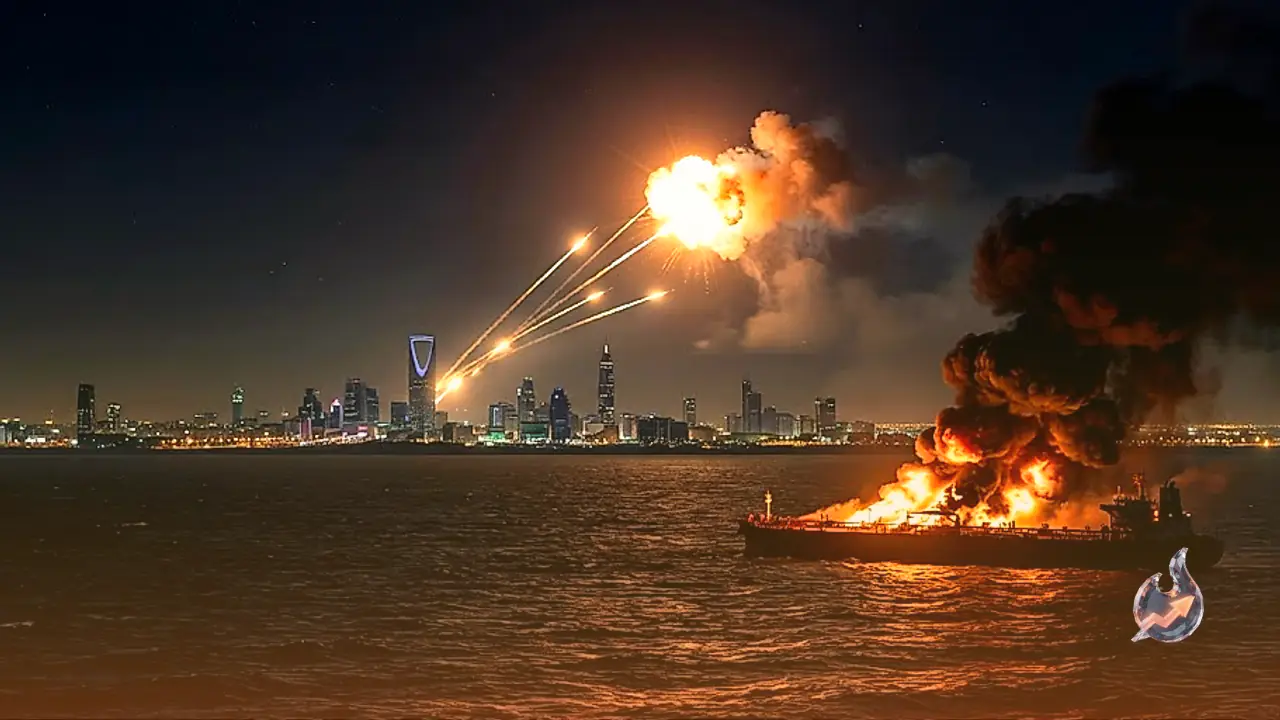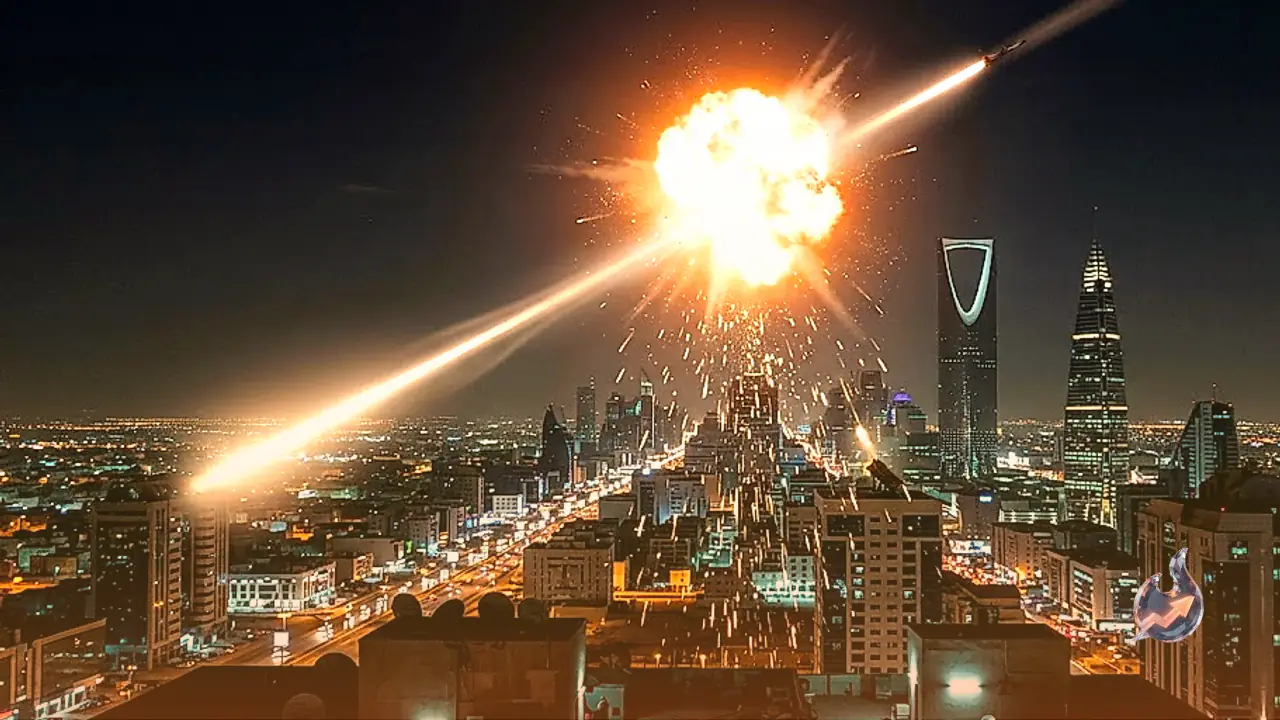




















The armed conflict between the United States and Iran finally ended in a ceasefire after more than a hundred days of hostilities. The Strait of Hormuz is operational once again and the attacks have stopped on both sides. But the stretch from February 28 to June 18 was a severe test for economies and governments worldwide. India's response stood out for its combination of urgency and long-term strategic thinking. Rather than simply waiting out the crisis, India used the turbulence to build new partnerships and lock in trade and energy agreements across multiple regions.
Trade Diversification: India's Core Response to the Crisis
With the Middle East supply chain thrown into disarray by the fighting, India moved swiftly to broaden its commercial relationships. Despite strained ties with the United States and the uncertainty roiling West Asia, India managed to finalize a Free Trade Agreement with the European Union. In February 2026, it also concluded a significant trade deal with the US. That same month, India signed Terms of Reference for a Free Trade Agreement with the Gulf Cooperation Council, a grouping that includes Saudi Arabia, the UAE, Qatar, Oman, Kuwait and Bahrain. To secure its energy needs in the face of supply disruptions, India increased its crude oil imports from Russia, pressing ahead with this approach despite diplomatic pressure from certain quarters.
The Malaysia and Israel Visits: Navigating a Volatile Moment
Before the United States and Israel launched strikes against Iran, PM Modi visited Malaysia, where talks focused on strengthening trade ties and securing a reliable supply of palm oil. He then traveled to Israel just before the attacks began, with discussions centering on defense cooperation and the importance of maintaining strategic balance between the two countries. The fierce military strikes that followed shortly after underlined how rapidly the situation was escalating.
May 2026: Five Countries in One Diplomatic Tour
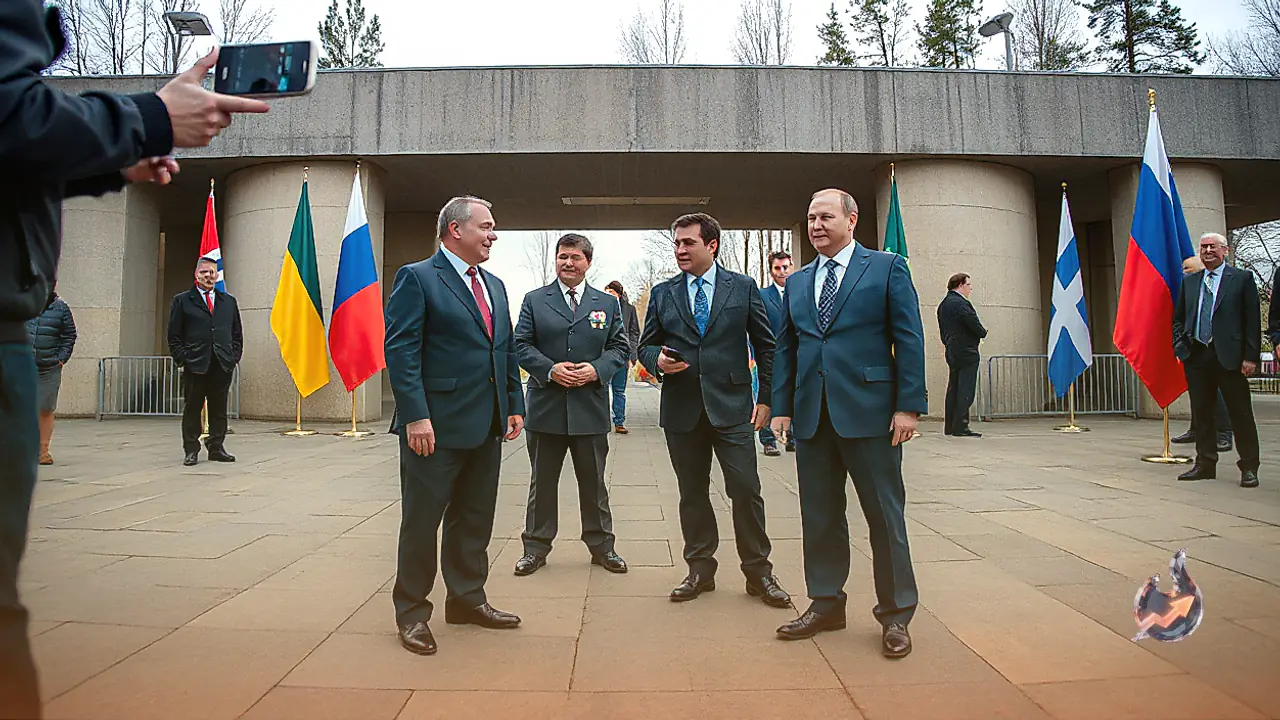
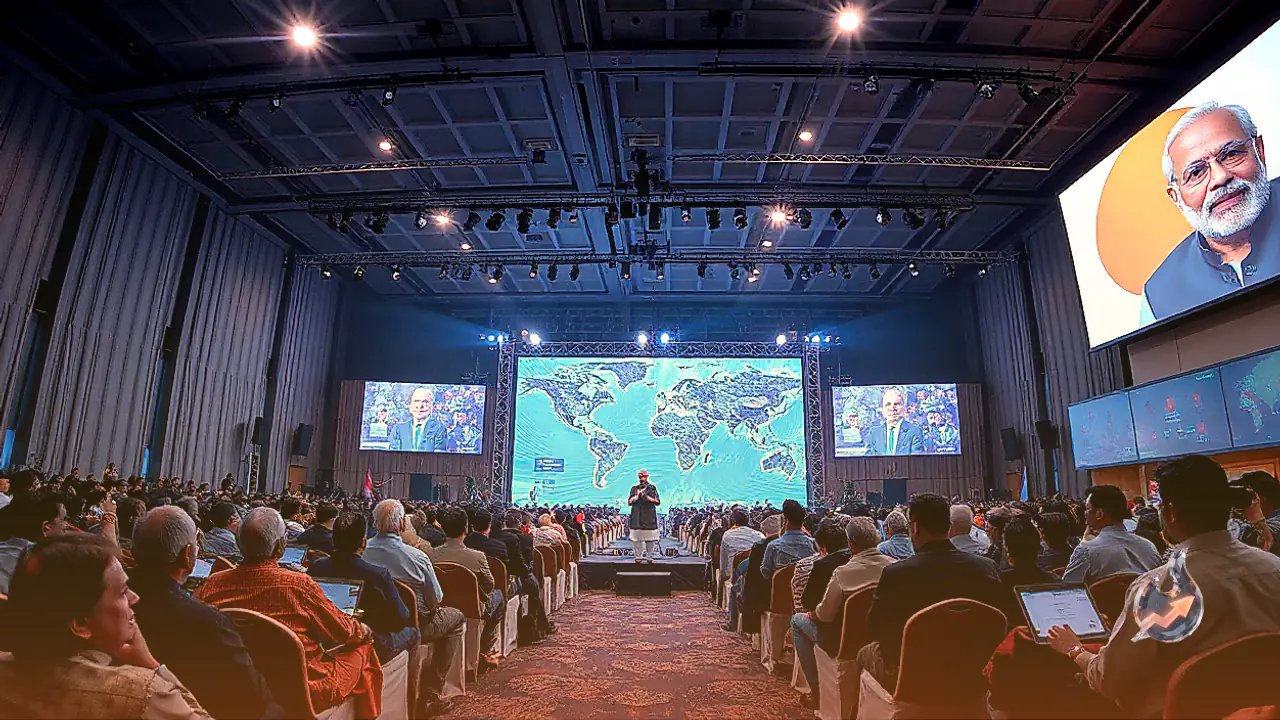
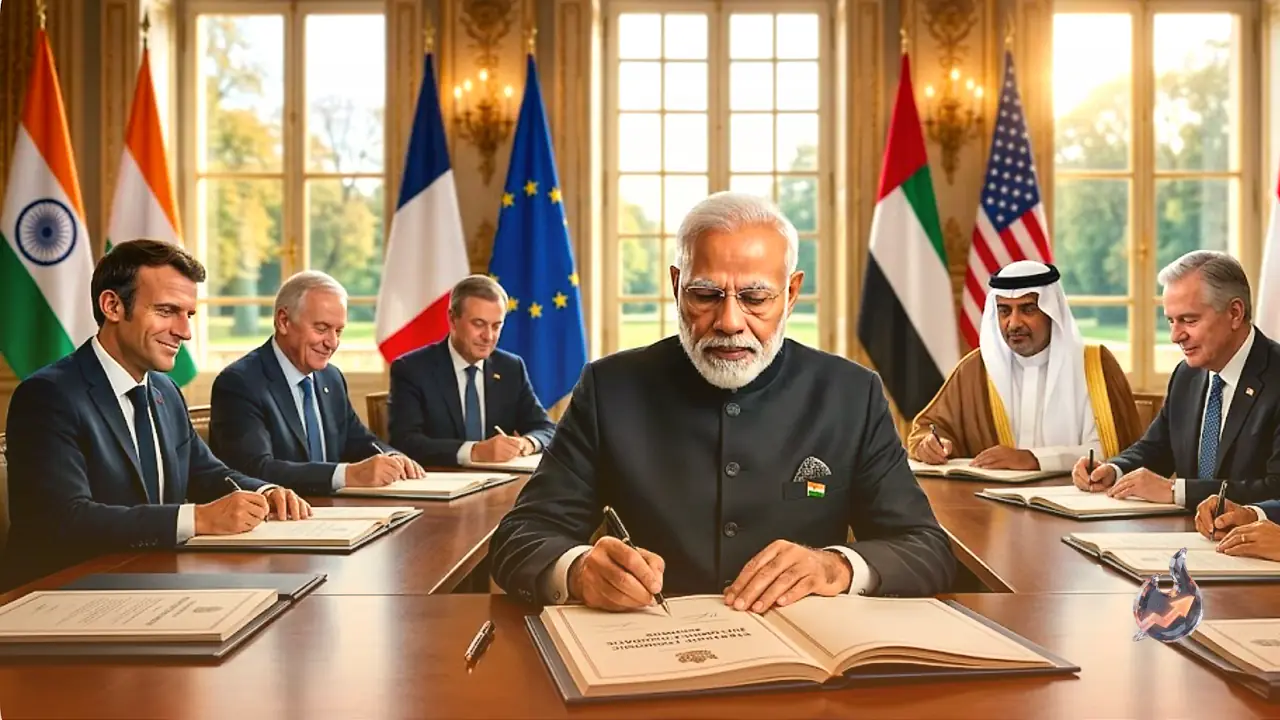
With hostilities still ongoing, PM Modi undertook an ambitious five-nation visit in May 2026, covering the UAE, the Netherlands, Sweden, Norway and Italy in a single trip. Energy supply arrangements were a priority with the UAE. With the European partners, particularly Italy, talks moved forward on critical minerals and defense deals under a Joint Strategic Action Plan.
France and Slovakia: The Final Push Before the Ceasefire
In the days just before the US-Iran ceasefire was announced, PM Modi made stops in France and Slovakia. Taken together, India's actions across this entire period tell a coherent story. By building new trade partnerships, diversifying energy sources and maintaining balanced engagement with partners on all sides, India made clear that its ambition went beyond simply absorbing the shock of a global conflict. It was actively working to convert a period of instability into lasting strategic advantage.