


















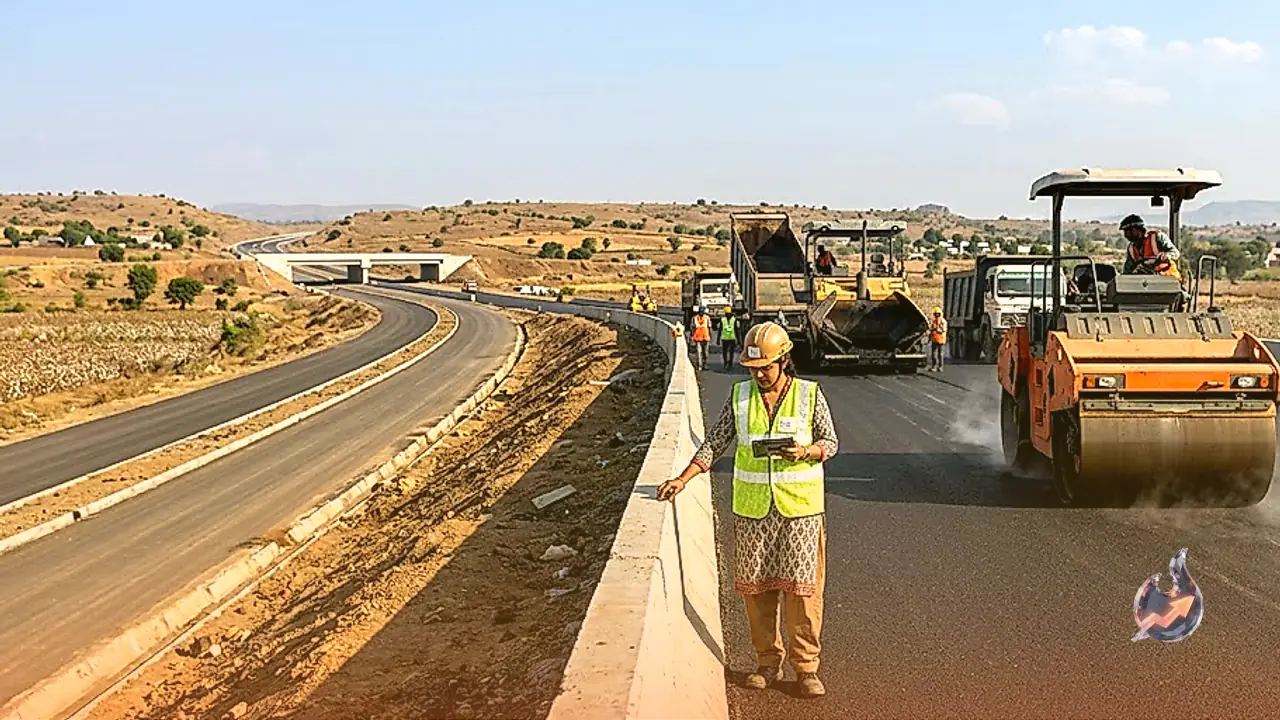

A major infrastructure development is set to redefine interstate travel and economic growth between Madhya Pradesh and Southern India. Construction of the 743 km long Indore-Hyderabad Economic Green Corridor, being built at an estimated cost of ₹15,000 crore, is progressing rapidly as it passes through the Khargone district of Madhya Pradesh. Designed as a high-speed four-lane corridor, this ambitious project promises to enhance connectivity across Madhya Pradesh, Maharashtra, and Telangana while unlocking massive opportunities for trade, industrial investment, and local employment in Khargone.
Drastic Cut in Travel Duration Across 20 Key Cities
Currently, commuting between Indore and Hyderabad by road takes over 16 hours due to traffic congestion and traditional route constraints. Once the new expressway opens to the public, this travel duration will drop significantly to approximately 7 hours, shaving off roughly 9 hours of travel time for passengers and commercial transporters alike. The project shortens the physical driving distance between Indore and Hyderabad by nearly 171 km, leading to substantial savings in fuel consumption and vehicle maintenance costs. Across its 743 km stretch, the highway traverses Indore, Khargone, Khandwa, and Burhanpur in Madhya Pradesh before connecting around 20 prominent cities across Maharashtra and Telangana.
NHAI Progress and Three Crucial Mountain Tunnels
Developed under the flagship Bharatmala Pariyojana, this four-lane semi-access-controlled expressway is being executed by the National Highways Authority of India (NHAI). Construction teams have already finished nearly 80 percent of the total project work. To navigate the challenging hilly terrain between Tejaji Nagar in Indore and Balwada in Khargone district, engineers are carving out three key tunnels: the 575-meter Bherughat tunnel, the 550-meter Choral Ghat tunnel, and the 480-meter Baigram tunnel. These dedicated structures are designed to neutralize treacherous mountain bends, enhance safety, and enable uninterrupted high-speed movement. NHAI targets opening the entire corridor for traffic by the end of 2026.
Economic Lifeline for Local Farmers and Industry Hubs
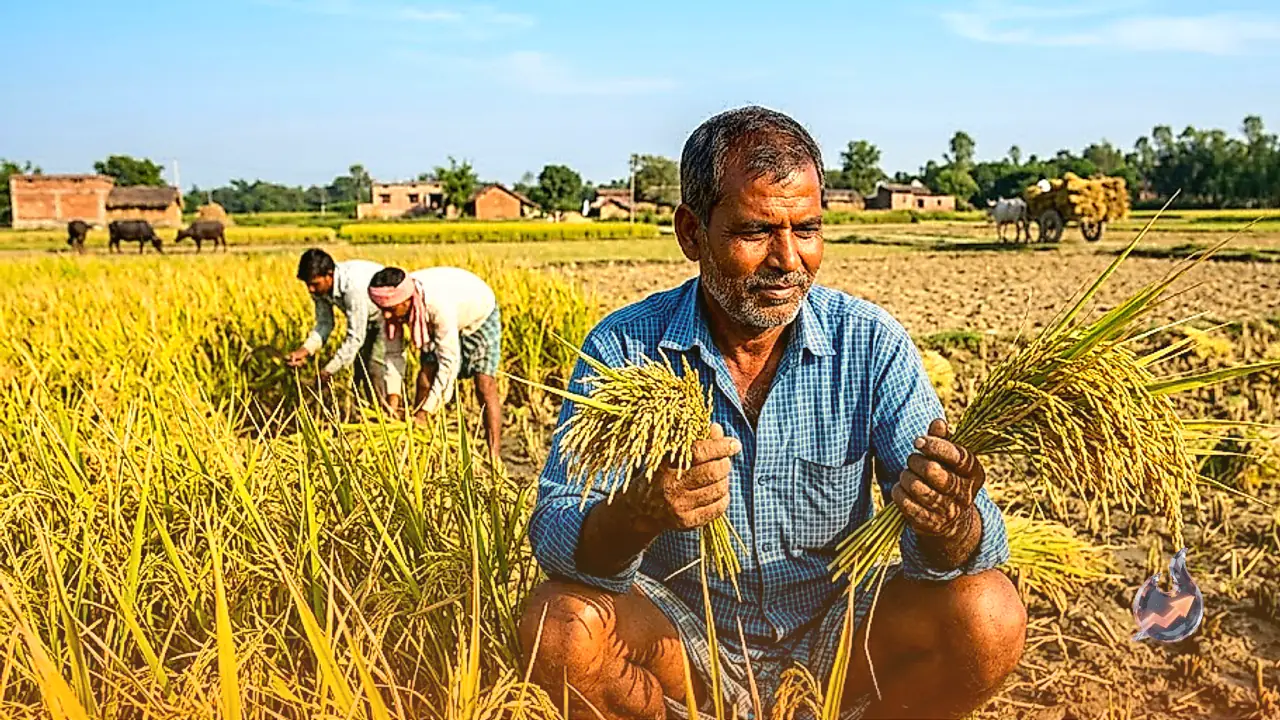
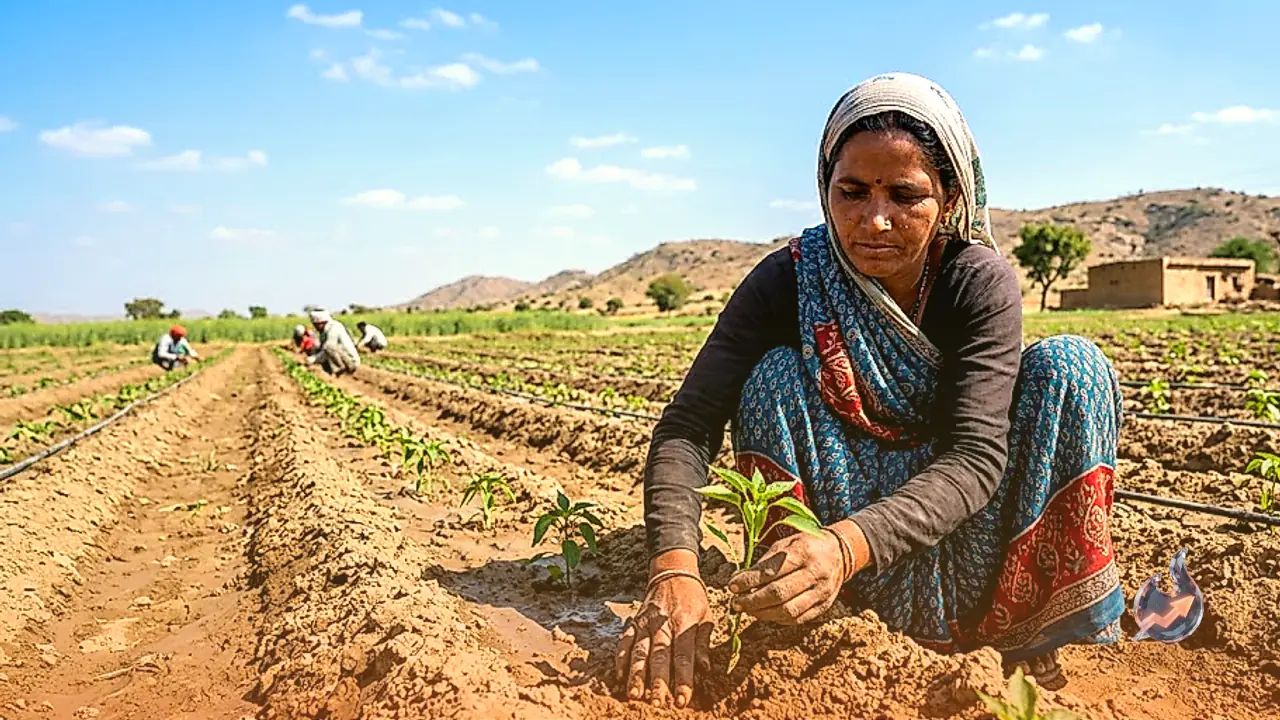
For Khargone district, the upcoming expressway serves as a vital economic catalyst. Historically, local producers struggled with delayed transit times and elevated freight costs when transporting commodities to major commercial markets. The new high-speed highway will allow regional agricultural produce, including cotton, chilli, banana, and various cash crops, to reach distant consumer markets in record time. This logistical efficiency is expected to boost profit margins for farmers and commercial traders. Furthermore, seamless road infrastructure will attract investments in logistics parks, warehousing, freight transport, and agro-processing industries, creating thousands of new jobs for local youth.
Boosting Spiritual Tourism and Regional Integration
Beyond industrial and agricultural advancements, the expressway is slated to revitalize tourism across the Malwa and Nimar regions. Access to renowned pilgrimage and heritage destinations, such as the Omkareshwar Jyotirlinga temple and the historic riverside ghats of Maheshwar, will become faster and more convenient for visitors traveling from Telangana and Maharashtra. Increased tourist footfall will provide a direct boost to local hospitality, transport providers, and traditional handicraft artisans. In the long run, this ₹15,000 crore infrastructure landmark promises to permanently upgrade Khargone's economic landscape and strengthen connectivity across central and southern India.