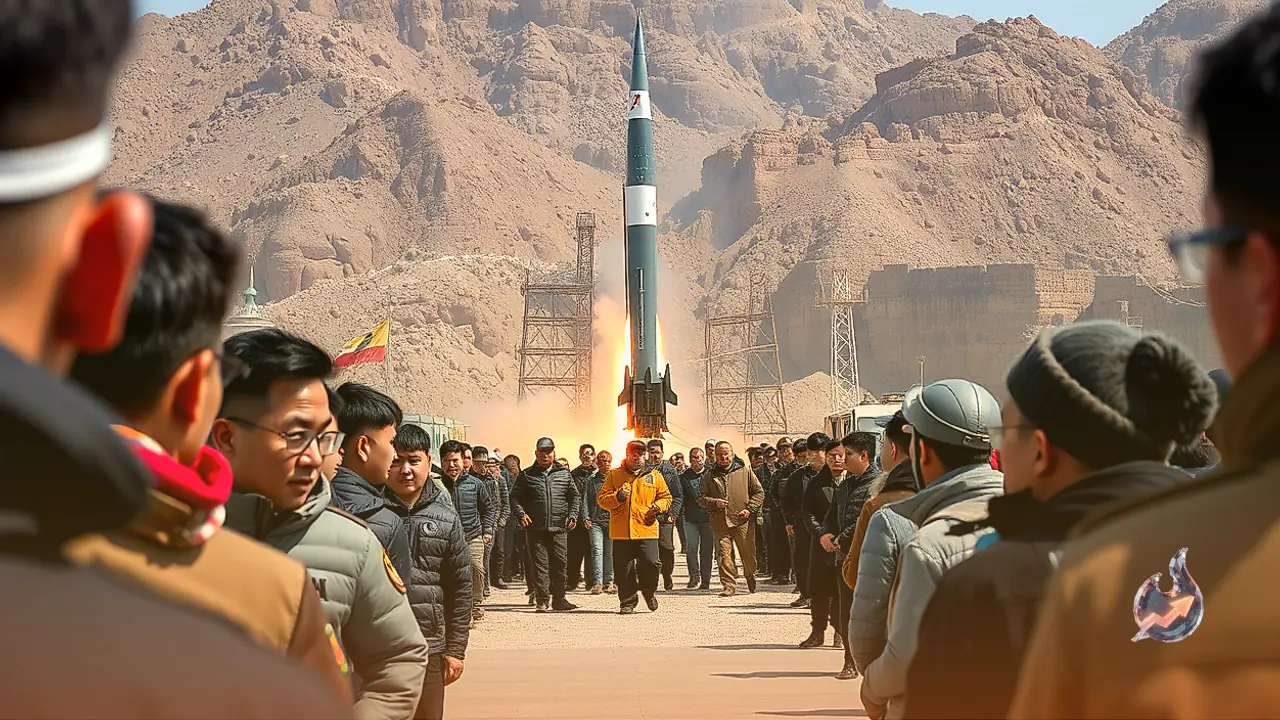
























Military dynamics across Eastern Europe have entered a heightened phase of complexity as North Korea deepens its operational alignment with Russian forces. Pyongyang has delivered a fresh stockpile of advanced ballistic missiles to Moscow alongside a specialized missile unit, drastically augmenting Russia's long-range strike capabilities. Responding to these operational developments, Ukrainian President Volodymyr Zelenskyy stated that the deployment underscores a intensifying defense and strategic partnership between the two nations. Kyiv officials maintain that this integration is designed to sustain heavy missile pressure against critical Ukrainian installations.
Breakdown of the Missile Unit and Advanced Arsenal
According to comprehensive data released by Ukraine's Defence Intelligence agency (HUR), the newly deployed contingent comprises approximately 90 North Korean military personnel, 6 missile launchers, and 120 ballistic missiles. Crucially, the shipment incorporates 40 newly manufactured KN-23 and KN-24 ballistic missiles. Ukrainian defense analysts warn that intercepting these ballistic assets poses severe operational hurdles, primarily due to depleting stocks of US-made Patriot interceptor missiles. The expanding logistics chain represents a continuation of the military cooperation that accelerated following Russia's full-scale invasion of Ukraine in February 2022.
Strategic Treaty Framework and Battlefield Integration
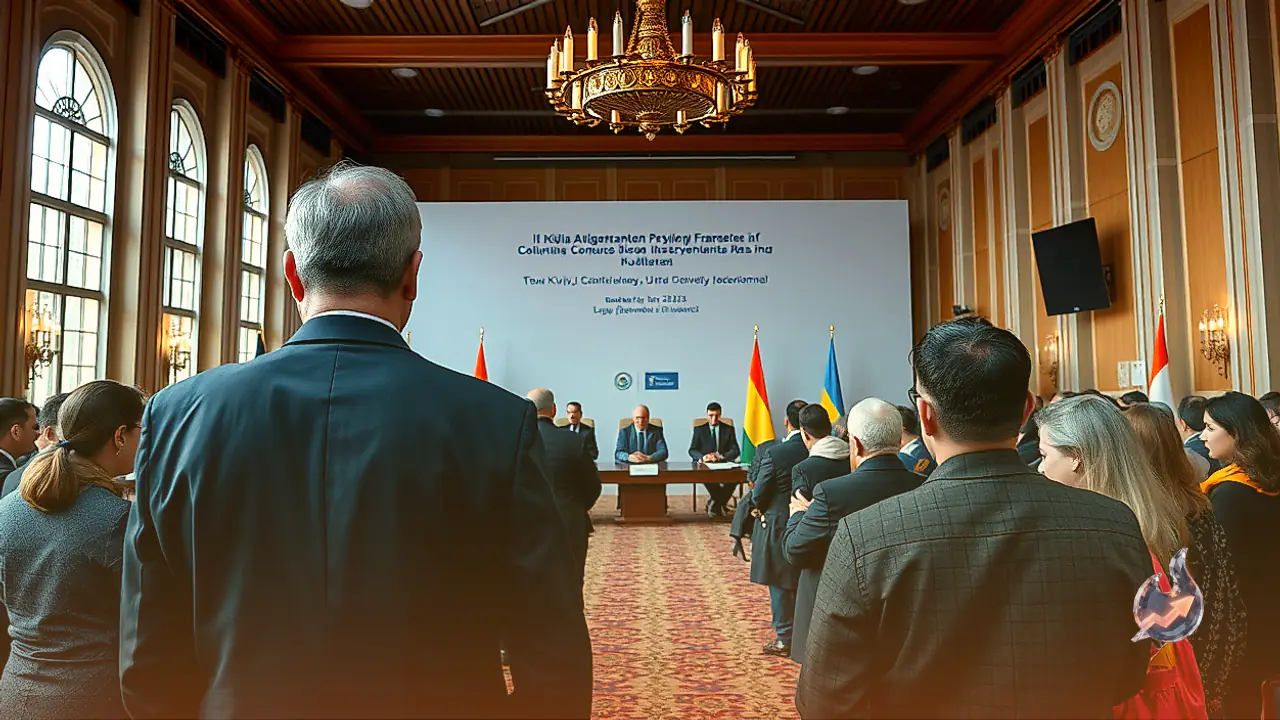
The operational assistance operates under a formal defense commitment forged at the highest state levels. In June 2024, Russian President Vladimir Putin and North Korean leader Kim Jong Un signed the Comprehensive Strategic Partnership Treaty during Putin's official visit to Pyongyang. The treaty establishes a mutual defense mandate requiring both signatories to provide immediate military and logistical support in the event of an armed attack on either nation. Demonstrating this commitment, North Korea publicly confirmed in April 2025 that Kim Jong Un had authorized troop deployments to support Russian military units in the Kursk region, an operational involvement subsequently verified by Moscow.
Scale of Conventional Ammunition Transfers
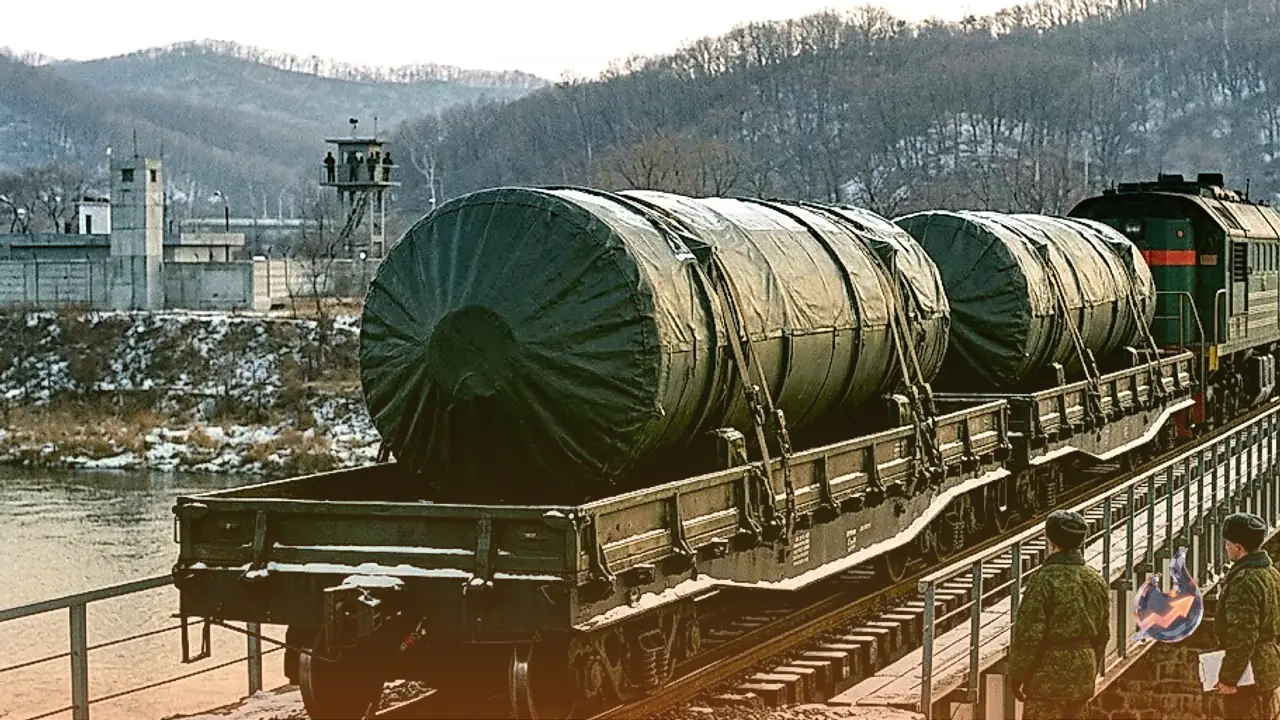
Beyond ballistic systems, the supply network has channeled vast quantities of conventional artillery shells into the conflict zone. South Korea's Ministry of National Defense detailed in a 2024 assessment that North Korea had shipped roughly 6,700 containers filled with munitions to Russia by February 2024. This supply encompassed over 3 million rounds of 152mm artillery shells and approximately 500,000 rounds of 122mm ammunition. Subsequent reporting published in April 2025 documented that between September 2023 and March 2025, 4 Russian cargo vessels completed 64 maritime trips, delivering an estimated 4 million to 6 million artillery shells. HUR estimates indicate that since mid-2023, North Korea has transferred around 4 million artillery shells, with 122mm and 152mm calibers accounting for more than three-quarters of the total supply.
Voronezh Deployment and Technical Performance
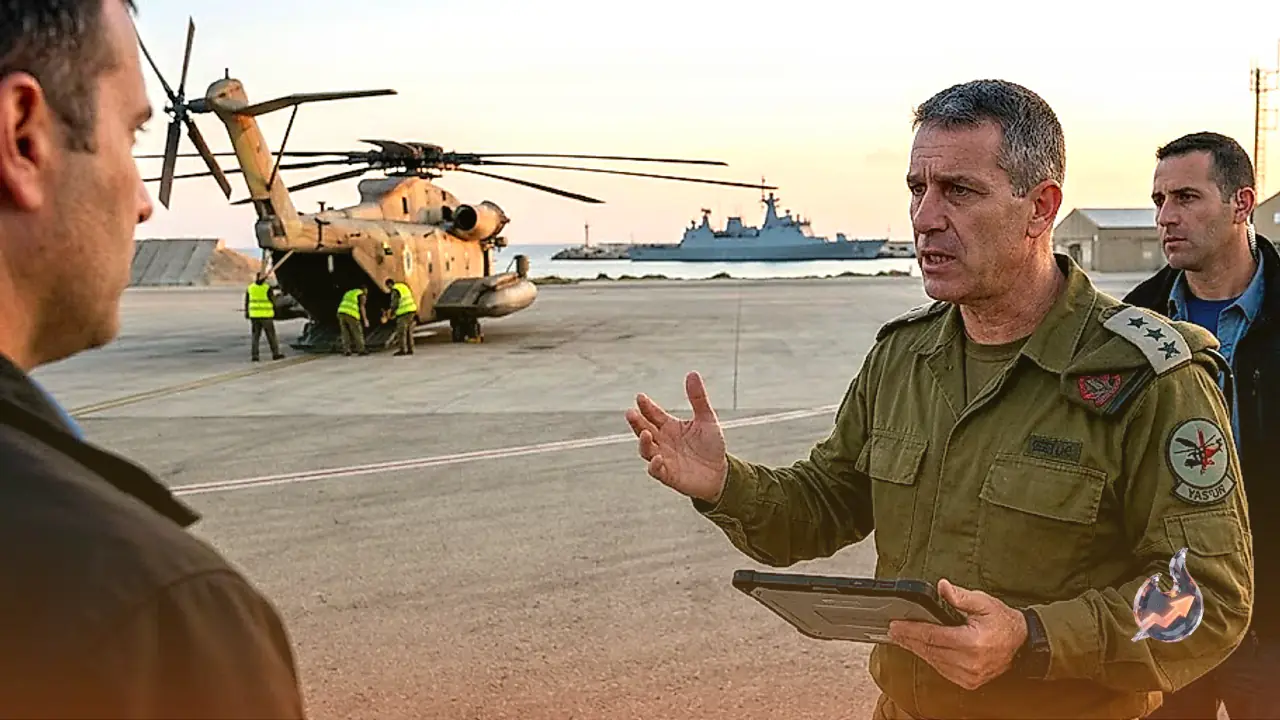
HUR spokesperson Andriy Cherniak revealed that the specialized North Korean unit is expected to be integrated directly into Russia's 112th Missile Brigade stationed in the western Voronezh region. Cherniak further noted that Russian forces utilized a North Korean ballistic missile during a strike last week, marking the first verified operational use of such weapons since August 2025. Between late 2023 and August 2025, Pyongyang delivered roughly 150 KN-23 and KN-24 ballistic missiles to Moscow. Military evaluations by Ukrainian officers highlight that while the KN-23 and KN-24 offer greater range and larger warhead payloads than Russia's native Iskander missiles, their guidance systems demonstrate significantly lower precision, leading to widespread collateral damage in populated civilian zones.