























A powerful seismic jolt shook Central America early Friday morning, sending shockwaves across Panama and driving terrified citizens onto open boulevards. Tall buildings swayed violently across the capital, Panama City, forcing residents to abandon apartments and workplaces in panic as ground tremors continued for several tense moments.
Shallow Epicenter Near Pitaloosa Arriba Felt Across Borders
Data from the United States Geological Survey pinpointed the tremor's epicenter approximately 10 kilometers southwest of the remote southern settlement of Pitaloosa Arriba. Striking at a shallow depth of roughly 10 kilometers beneath the surface, the event packed enormous destructive potential. Seismologists initially measured the event at an alarming magnitude 8.0 before recalibrating the final reading to 7.6. The shockwaves traveled far beyond national borders, rattling ground across several regions of neighboring Colombia as well.
Panic in Herrera Province as Structural Assessments Begin
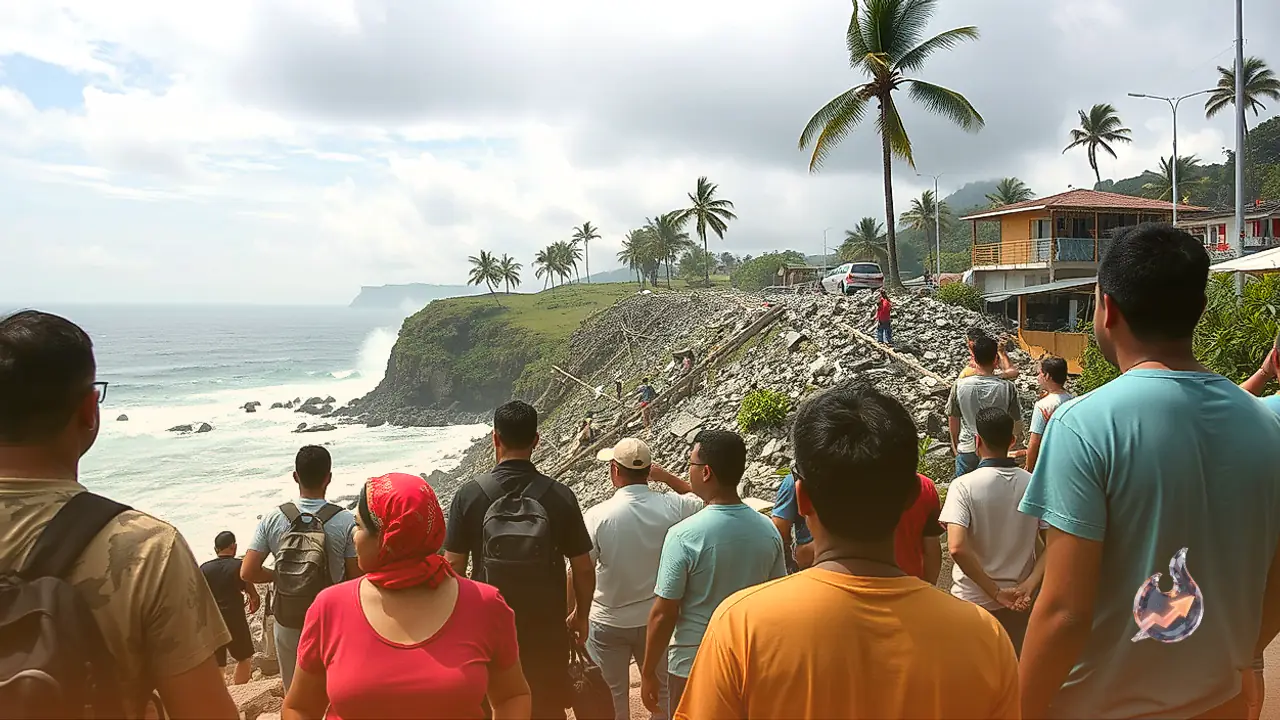
Eyewitnesses in the hardest-hit zones recounted moments of severe distress during the morning tremor. In Herrera province, 60-year-old local Rosendo Dominguez recalled the intensity, stating, "The tremors were so strong that items kept in the kitchen fell down." While he escaped uninjured, immense fright gripped his neighborhood. Visuals circulating on digital networks indicated noticeable property damage in several localities, prompting disaster response teams to initiate comprehensive on-ground assessments.
Tsunami Warnings Triggered Across Nine Nations
Because the epicenter lay close to the Pacific shoreline, the US Tsunami Warning System promptly placed vast oceanic stretches on high alert. Warning bulletins highlighted potential surges threatening coastal stretches across nine nations: Panama, Colombia, Costa Rica, Ecuador, Peru, Nicaragua, Guatemala, El Salvador, and Mexico. Early monitoring bulletins also briefly referenced monitoring protocols for Hawaii.
Ocean Threat Rescinded Though Coastal Caution Remains
Subsequent buoy data and ocean monitoring confirmed that dangerous sea surges failed to materialize, leading authorities to formally cancel the tsunami threat. Emergency agencies declared that major defensive measures or mass shoreline evacuations were no longer required. Nevertheless, maritime monitors advised seaside communities to remain vigilant and follow standard protective guidance issued by local authorities.