





















In the corridors of global diplomacy, a remark by Australian Prime Minister Anthony Albanese has captured significant attention. He has openly praised the leadership and policies of Prime Minister Narendra Modi on a public platform.
An Unprecedented Achievement in Human History
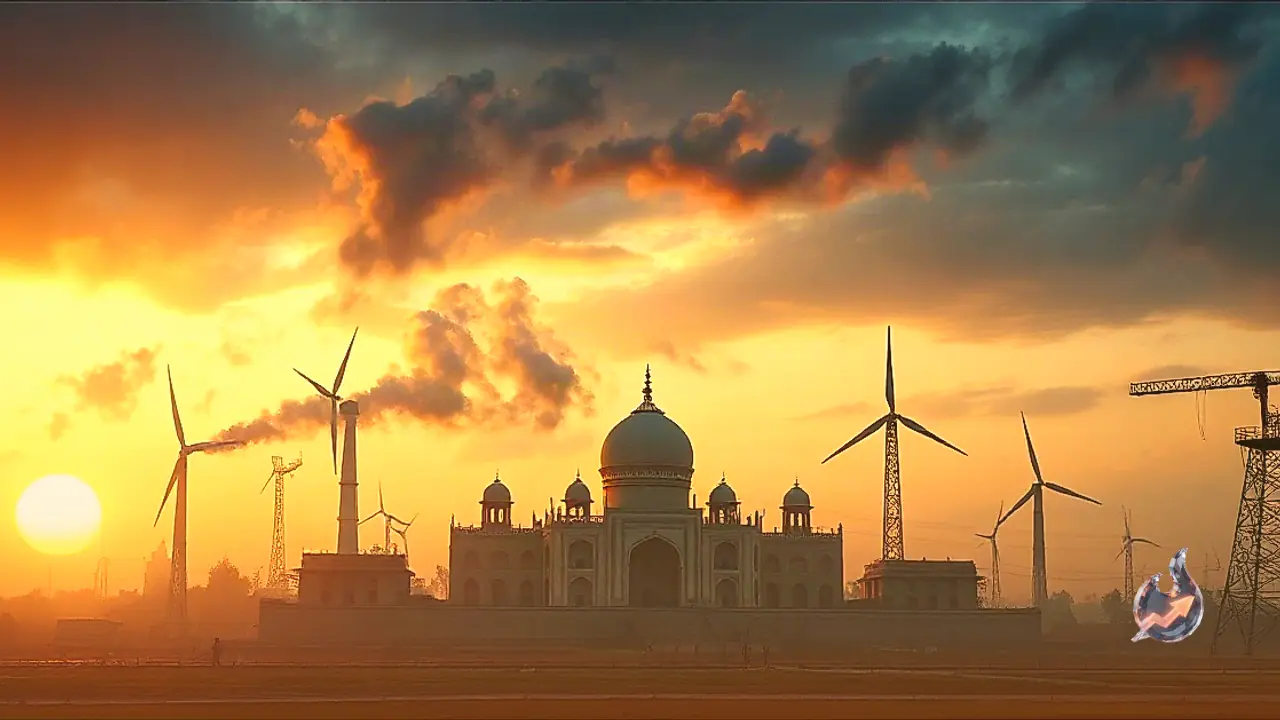
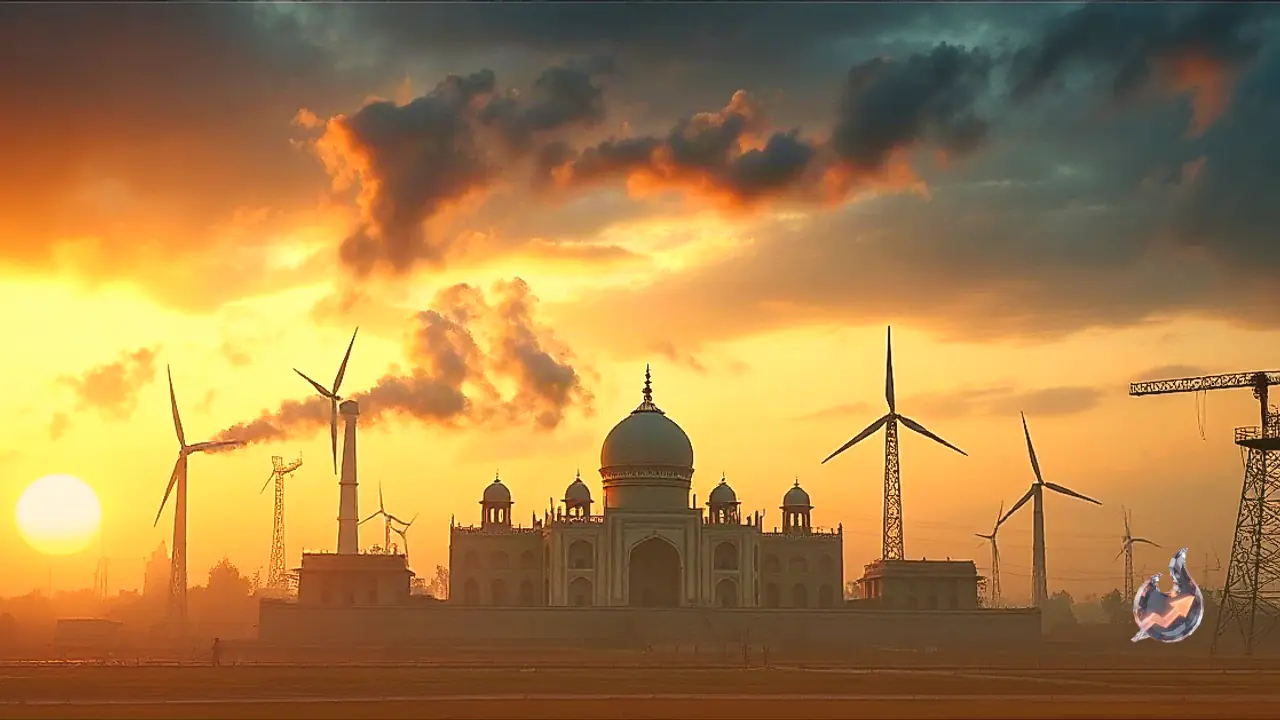
Speaking at a distinguished event hosted by the Asia Society Policy Institute, the Australian Prime Minister stated that nothing of this scale has ever happened in the entire history of human civilization. His statement pointed toward the monumental transformation within India, where electricity and fuel resources have been successfully extended to every corner of the country. Anthony Albanese acknowledged before the global audience that ensuring energy access for every household in a vast and diverse nation like India is no ordinary feat.
He emphasized that the number of people who have gained access to energy, electricity, and fuel during the tenure of Prime Minister Modi surpasses any decade, region, or country in the history of human civilization. Highening the deep diplomatic and strategic ties between Canberra and New Delhi, Albanese added that he and Australia share a profound and trustworthy relationship with Prime Minister Modi, which will serve both nations for decades to come.
Middle East Conflict and Global Energy Crisis
The Australian Prime Minister's remarks come at a time when the global energy market has been severely destabilized. Escalating military conflicts in the Middle East involving the US, Israel, and Iran have caused widespread anxiety globally. The worst impact of this warfare has hit the Strait of Hormuz, which is considered the most vital lifeline for global oil supplies.
This narrow maritime route channels roughly a quarter of the world's crude oil daily. However, due to ongoing hostilities, vessel movement through this passage has come to a standstill. When oil and gas tankers fail to arrive at their destinations on time, crude shortages emerge and prices skyrocket overnight. Major nations across Europe and Asia are currently grappling with the fallout of this exact crisis.
Struggling Neighbors and India's Stability
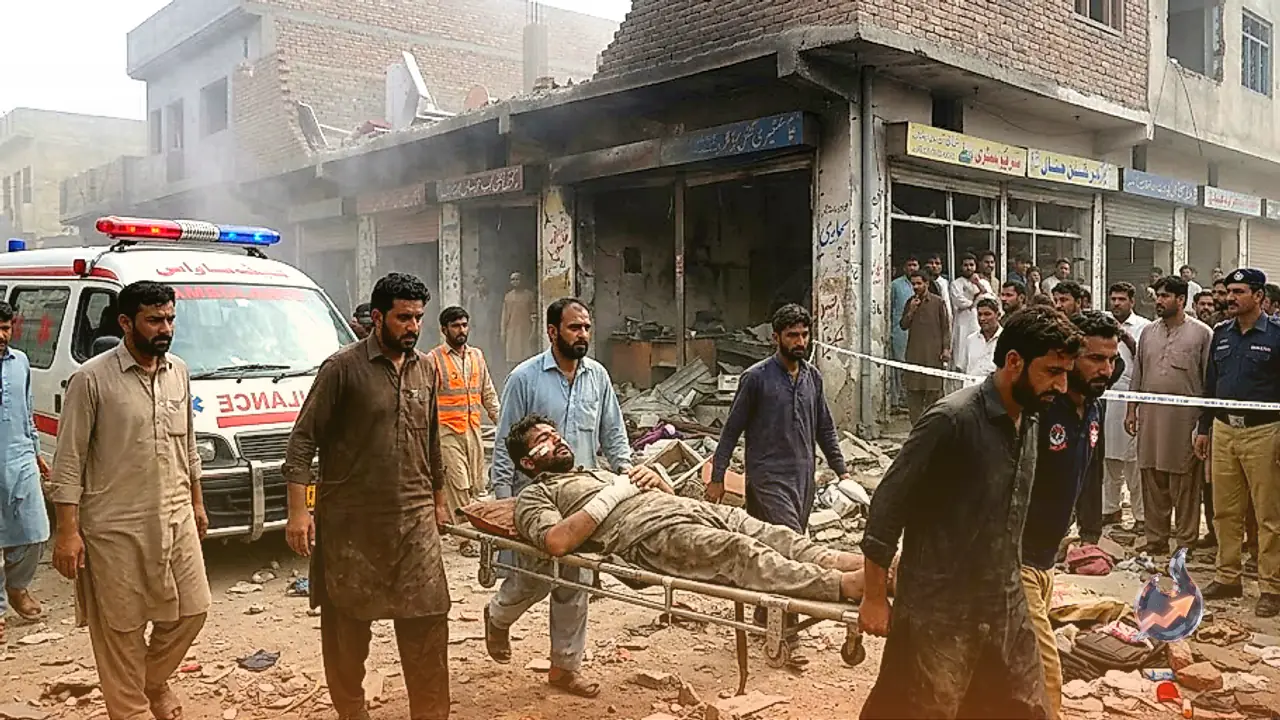
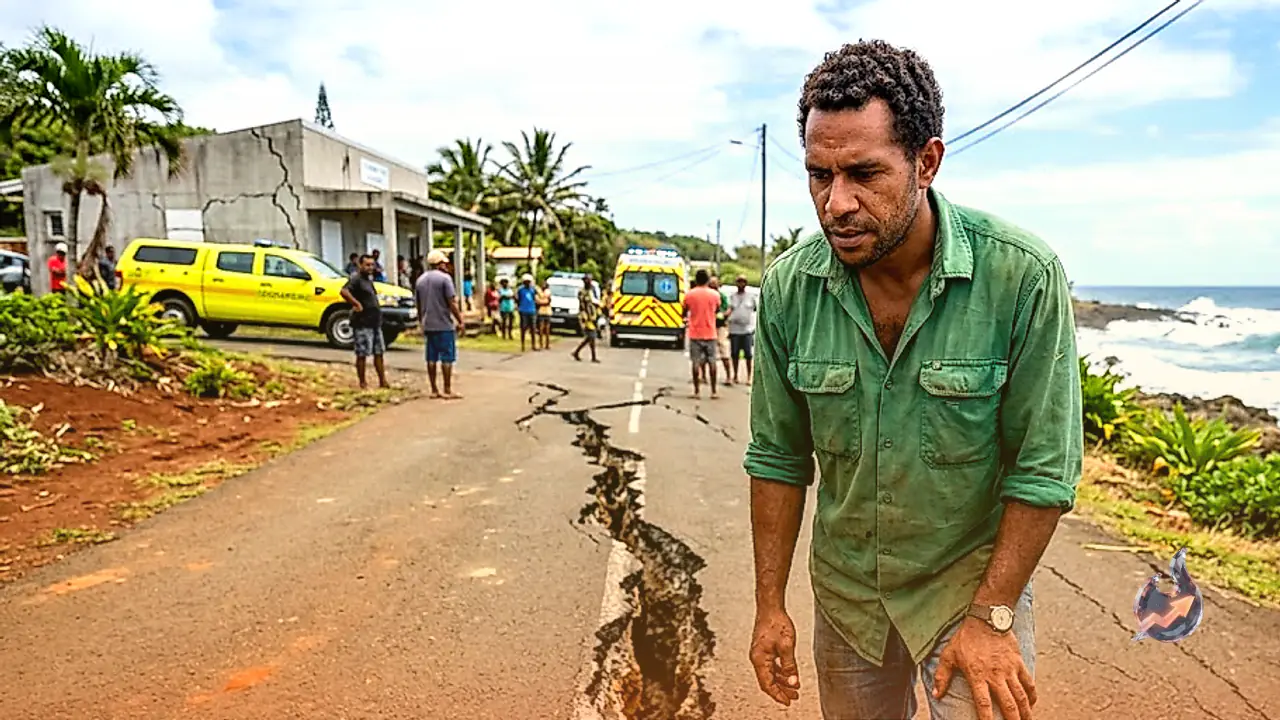
The severe fallout of the Middle East crisis is most visible in India's neighboring countries. Nations like Pakistan and Bangladesh are facing extreme fuel shortages, leaving the general public in great distress. Pakistan is enduring prolonged power outages, while surging petrol and diesel prices have forced common citizens to keep their vehicles off the roads.
Similarly, in Bangladesh, shortages of natural gas and oil have forced factories to shut down, heavily impacting their export business. In stark contrast, India managed to prevent any scarcity of petrol, diesel, or cooking gas within its borders during this major crisis. Neither did fuel run out at retail pumps, nor did prices spiral out of control. Leading global economists have expressed surprise at India's remarkable economic stability.
India's Masterstroke and Diversified Strategy
India imports approximately 85 percent of its crude oil requirements from abroad. When global oil supplies faced severe disruption, the country adopted a highly prudent and visionary strategy. Addressing Parliament, Prime Minister Narendra Modi himself shed light on this approach, noting that India previously sourced its crude oil from only 27 nations.
However, anticipating shifting international dynamics and wartime hazards, India expanded its procurement sources significantly. The country established energy ties with 41 distinct sources. This masterstroke ensured that whenever supplies from one region or route were disrupted due to tensions, alternative imports from other nations were immediately activated. Because of this strategic pivot, India's 1.4 billion citizens never faced a shortage of petrol or diesel.
Energy Security for 1.4 Billion Citizens
Amidst worsening conditions in West Asia, the Indian government made its priorities explicitly clear to the world. Ministry of External Affairs spokesperson Randhir Jaiswal forcefully articulated India's stance, stating that regardless of fluctuations in the international market, the foremost responsibility of the government is safeguarding the energy security of its 1.4 billion citizens.
Without succumbing to pressure from major global powers, India pursued an independent foreign policy. By procuring affordable crude oil from Russia and several other nations, the government successfully prevented domestic inflation from spinning out of control. Anthony Albanese's acknowledgment stands as a testament to the fact that the partnership between India and Australia in the Indo-Pacific region has entered a vibrant new era.