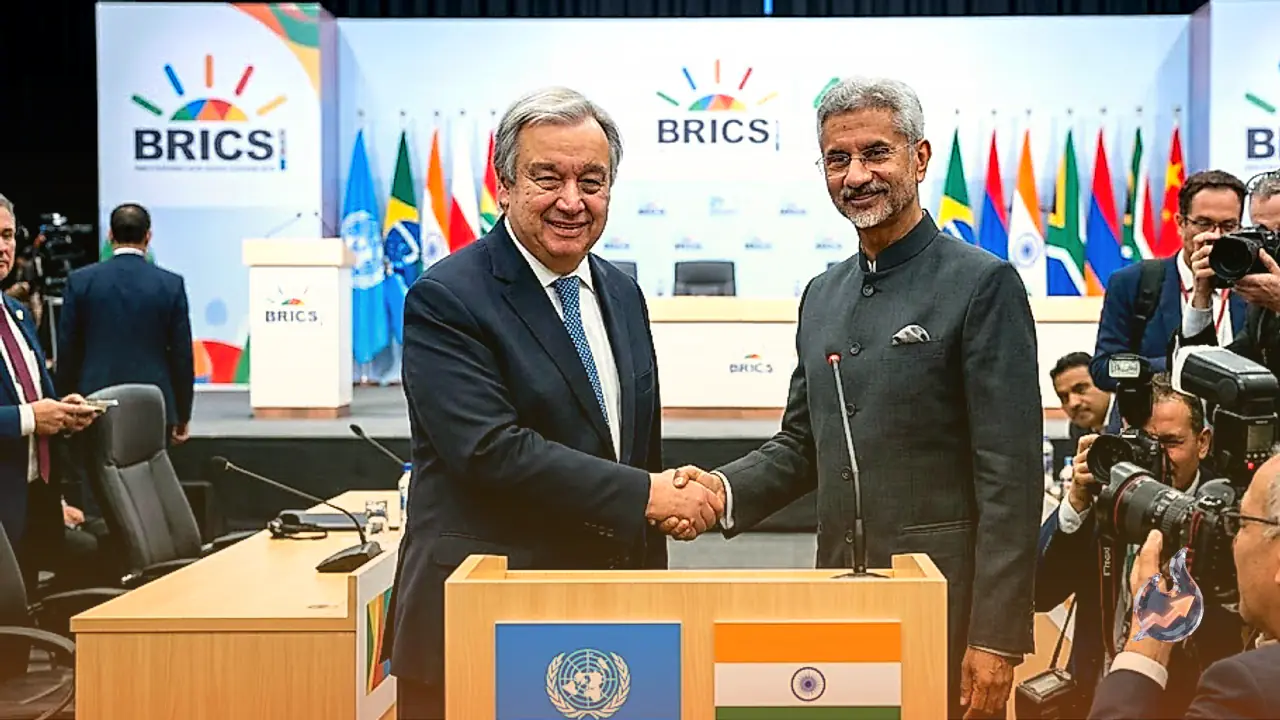


















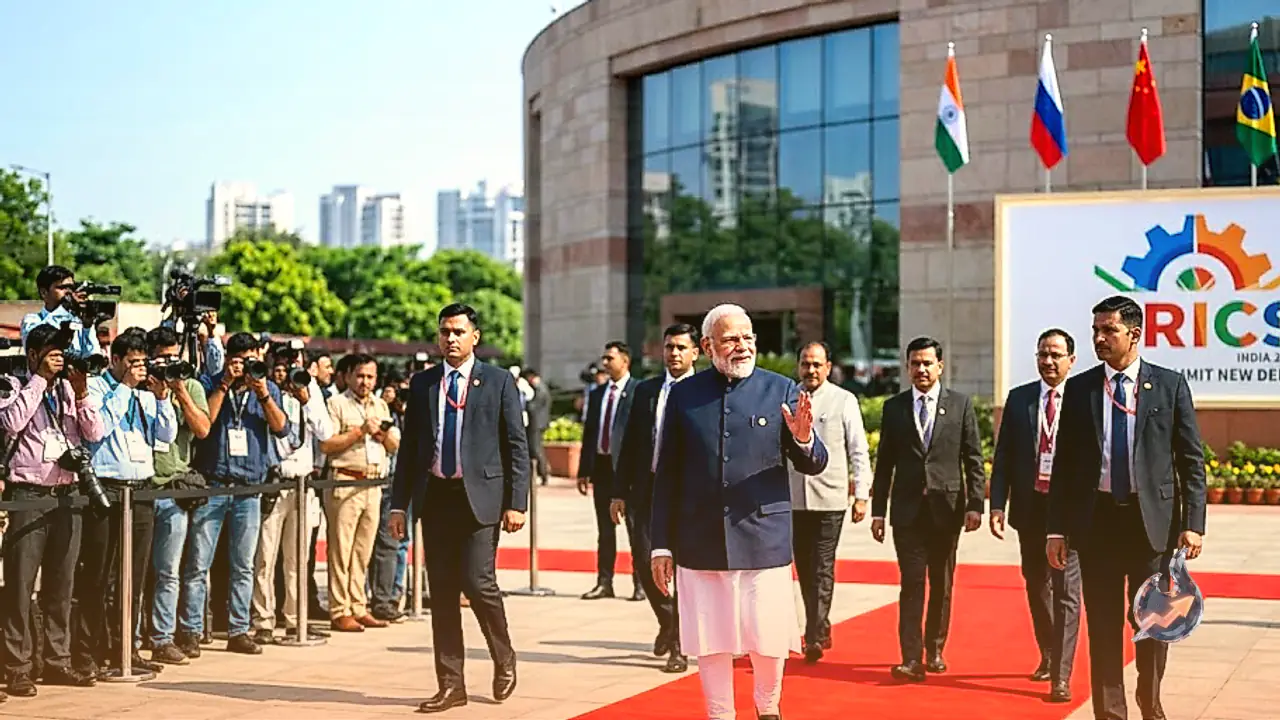

India's capital, New Delhi, is gearing up to host the BRICS Summit on September 12-13. Far from being a standard diplomatic gathering, the summit is positioned to become a central arena for global geopolitics, assembling top world leaders at a single table. Hosting the summit for the first time in five years, India will witness the diplomatic convergence of the Russia-India-China (RIC) triad. Furthermore, the anticipated presence of Iranian President Masoud Pezeshkian emphasizes that crucial decisions regarding the trajectory of West Asia will also be deliberated from this platform.
The Strategic Resurgence of the RIC Triad
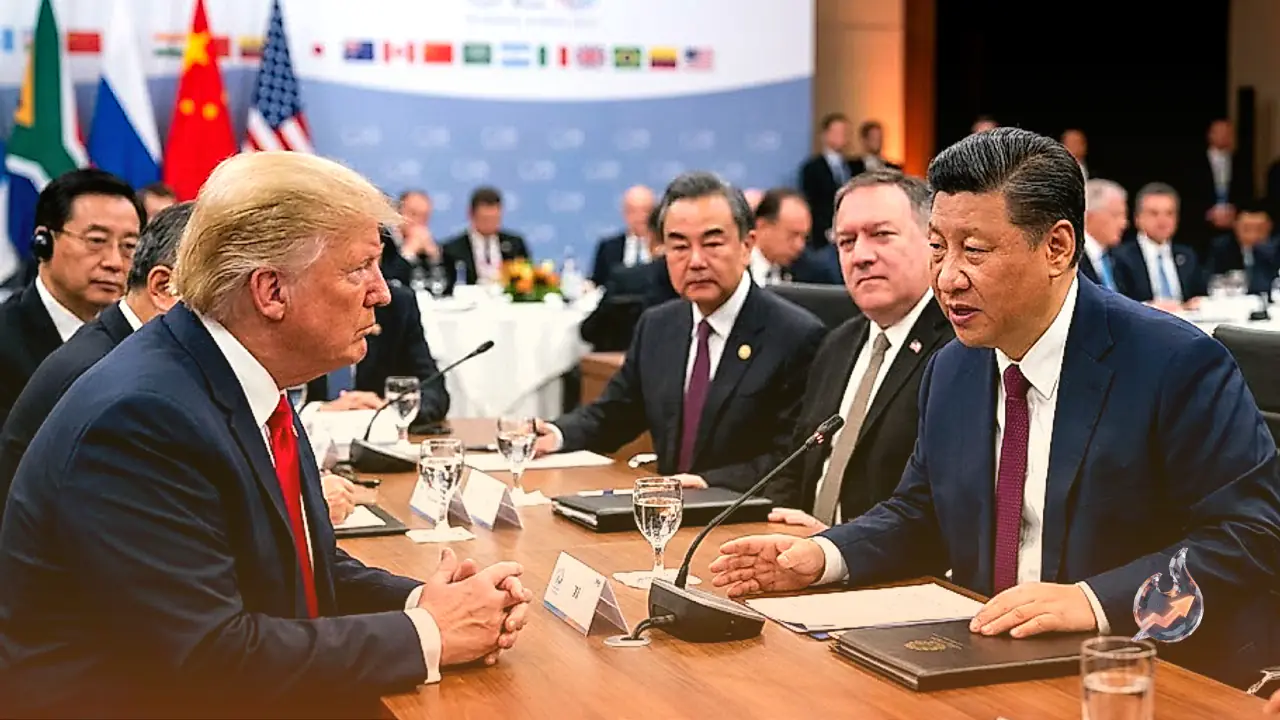
A central feature of this summit is the return of the RIC grouping to the forefront of global diplomacy. In international relations, the alignment of Russia, India, and China represents a significant geopolitical balance capable of altering Western strategic calculations. As three of the world's major powers and rapidly growing economies convene, discussions surrounding global business, energy corridors, oil trade, and de-dollarization initiatives will take center stage. The gathering sends a clear signal that multi-polar alignments will play an essential role in defining future global policies.
India-China Bilateral Context Following Border Standoffs
Should Chinese President Xi Jinping travel to New Delhi for the September 12-13 meetings, it will mark his first visit to India since October 2019. In 2019, Prime Minister Narendra Modi and President Xi Jinping held their high-profile informal summit in Mamallapuram, Tamil Nadu. However, within months of that meeting, relations deteriorated significantly following military friction along the Line of Actual Control (LAC) in Eastern Ladakh in 2020.
Sustained diplomatic and military talks eventually stabilized the situation. A major breakthrough occurred in October 2024 during the BRICS summit in Kazan, Russia, where Prime Minister Modi and President Xi Jinping held a bilateral meeting after reaching a key agreement on border disengagement and patrolling arrangements. This was followed by another meeting in Tianjin during the Shanghai Cooperation Organisation (SCO) summit last August. A potential bilateral meeting between PM Modi and President Xi in New Delhi could prove to be a crucial turning point for future economic and border security engagements.
Three Key Diplomatic Agenda Items at the Summit
The deliberations in New Delhi are set to revolve around three critical regional and global issues
- The Iran Situation & Regional Stability: In the wake of Israeli and US strikes in West Asia in February, regional tensions have heightened. Iranian President Masoud Pezeshkian's visit is vital for stating Iran's official stance, bolstering bilateral relations with India, and accelerating momentum for the Chabahar Port project.
- Diplomacy in South Asia & Bangladesh: India has extended invitations to non-member regional neighbors, including Bangladesh's new Prime Minister Tariq Rahman. Invited in his capacity as the current chair of BIMSTEC, his presence reflects India's efforts to deepen neighborhood relations and reinforce mutual trust across South Asia.
- Consensus on Palestine & UAE Negotiations: Drafting official summit declarations has exposed differences regarding language on Palestine and the Two-State Solution. Apart from the UAE, all other BRICS member nations favor stronger wording on the Palestinian issue. Resolving these linguistic nuances presents a diplomatic challenge for host country India.
Internal Dynamics and India's Mediating Role in Expanded BRICS
BRICS officially expanded in January 2024 to include new member states such as Iran and the United Arab Emirates (UAE). The summit's official theme has been designated as 'Building for resilience, innovation, cooperation and sustainability.' However, behind this constructive theme lies intense internal diplomatic negotiation.
Following the February escalation in West Asia, Iran and the UAE have backed opposing positions, directly impacting summit proceedings. These disagreements were evident during the BRICS Foreign Ministers' meeting in May, which concluded without issuing a joint communique due to lack of consensus. Given India's strong bilateral ties with both Tehran and Abu Dhabi, international attention will focus on how Prime Minister Modi navigates these diplomatic divides to forge a unified joint declaration.