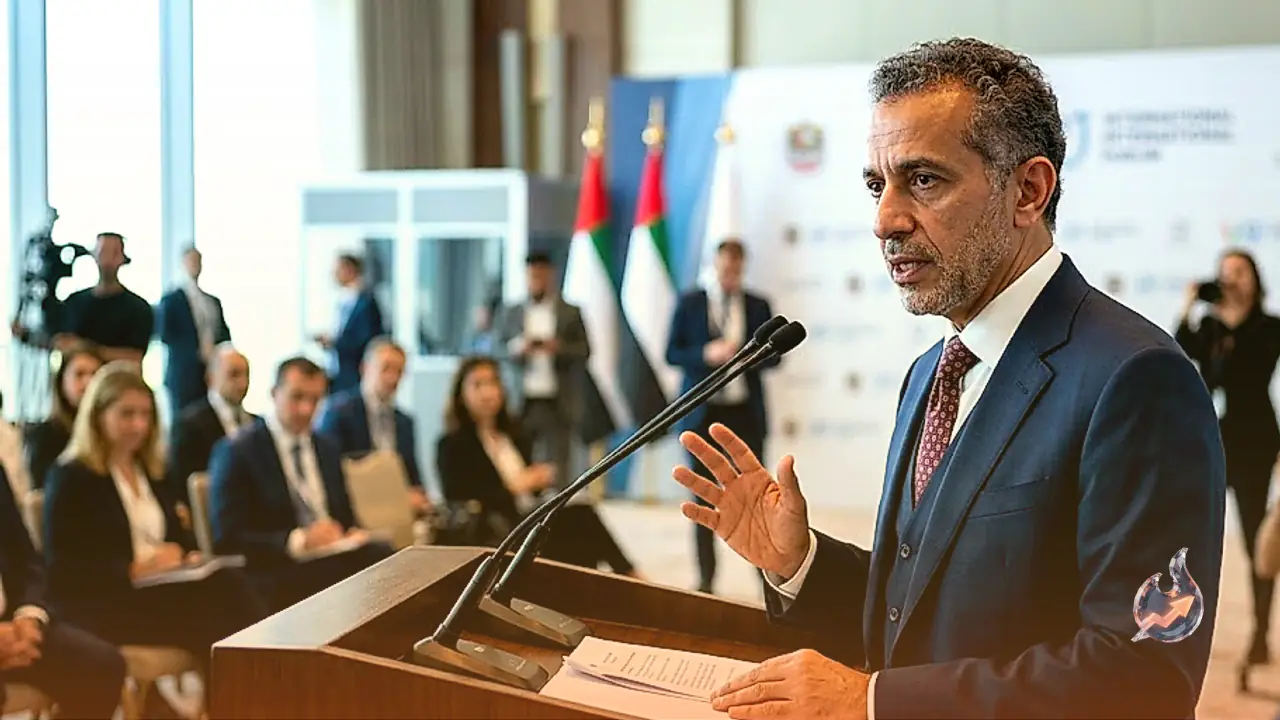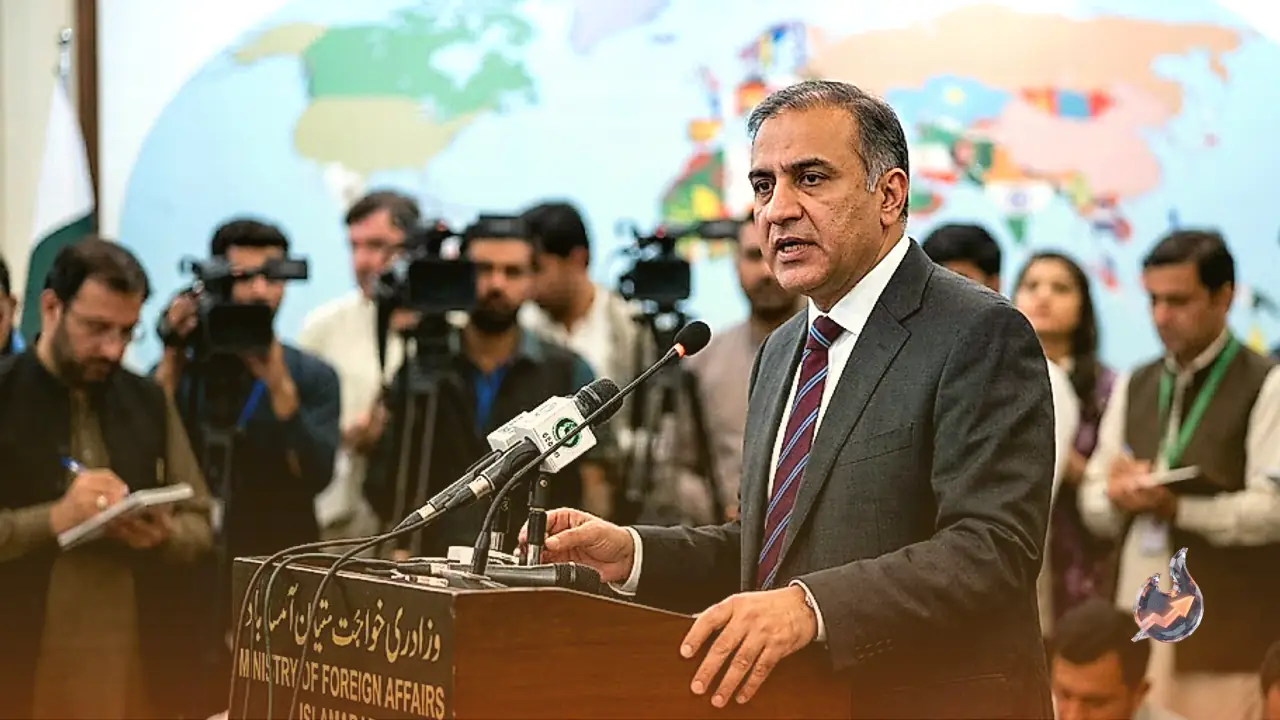



















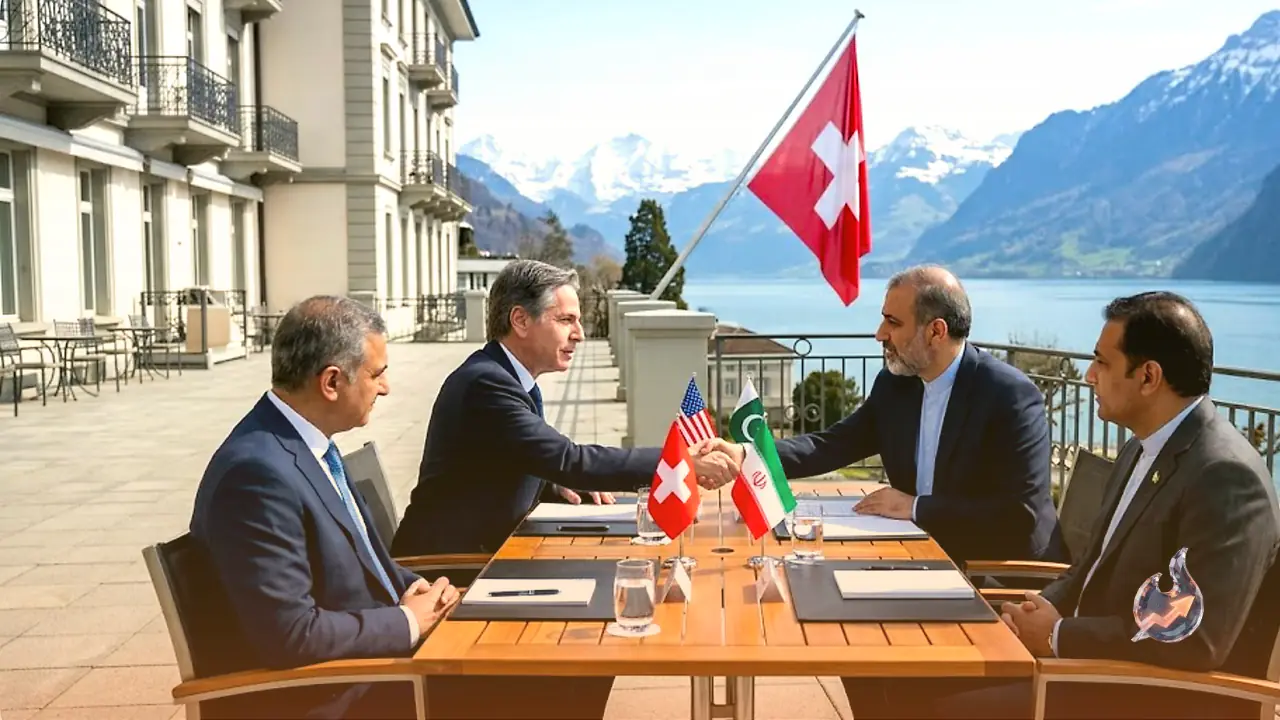

A major diplomatic effort unfolded at the Swiss resort of Burgenstock, where representatives from the United States, Iran, Pakistan, and Qatar gathered for what is being called the Lake Lucerne Summit. According to details obtained by TrendKia, Pakistan Prime Minister Shehbaz Sharif praised the Iranian delegation for showing restraint and taking steps to de-escalate regional tensions. The high-level discussions are centered on implementing a new Memorandum of Understanding (MoU) that was signed last week.
This unique quadrilateral diplomatic format features the United States and Iran as the primary parties to the discussions. Pakistan and Qatar are acting as mediators to facilitate the process. The immediate goal of these talks is to execute key provisions of the MoU, which was signed by US President Donald Trump and Iranian President Masoud Pezeshkian. Pakistan Prime Minister Shehbaz Sharif serves as a guarantor for the agreement.
Regional Stability and the Vision for Peace
While speaking to journalists at the summit venue, Shehbaz Sharif expressed strong confidence in the intentions of the Iranian leadership. He remarked that they genuinely desire to foster peace in the region, adding that US President Donald Trump shares this exact sentiment. Sharif described Trump as a man of peace, referencing Washington's previous mediation efforts in the conflict between India and Pakistan.
Trump has frequently claimed credit for helping resolve tensions between India and Pakistan, pointing to May 10 of last year as a critical milestone. On that day, Trump shared on social media that both nations had agreed to an immediate and complete ceasefire, describing it as the outcome of intense, overnight discussions mediated by Washington. Looking ahead, Sharif expressed hope for a revitalized friendship between Pakistan and the US, wishing for deeper coordination and strategic cooperation. He shared these thoughts while standing alongside US and Qatari leaders before the official sessions commenced.
Trump's Warnings on Social Media and Strait of Hormuz
Even as the collaborative talks began, US President Donald Trump issued a stern warning via Truth Social. He demanded that Iran immediately stop its highly paid proxies in Lebanon from creating unrest. Trump warned that if they failed to comply, the US would strike Iran very hard, drawing a parallel to actions taken last week but promising an even stronger response. This warning directly targeted the instability in Lebanon, which remains a core topic of the summit.
Additionally, during an interview with Fox News, Trump addressed potential threats to the Strait of Hormuz. He warned about the severe consequences of any attempt to shut down this critical maritime corridor, asserting that he has a wide array of options ready. These remarks coincided with negotiators attempting to make headway on security issues and regional flashpoints.
Vance on Strategic Shifts and Personal Connections
US Vice President J D Vance highlighted that reaching a resolution would require mutual compromise. Describing the event as historic, Vance pointed out that Iranian and American leaders have never before met at such a high level outside of Islamabad. He explained that this gathering sets up a technical negotiation track, which, while not expected to solve every single disagreement, represents a major step forward.
According to Vance, the summit allows the respective teams to sit down together for the first time in history to identify priority issues, resolve disputes, and work toward a better future. He added that political leaders attended to establish this technical framework and to assure their respective teams of full executive backing. Vance thanked Trump for the initiative and raised the question of whether the Middle East could transition toward regional cooperation or revert to old patterns of conflict.
Vance clarified that Trump supports a comprehensive regional ceasefire, including in Lebanon, though he acknowledged that ceasefires are often complicated to maintain. He noted steady progress over the preceding days and outlined the US stance on Iran's nuclear path. If Iran commits to permanently abandoning its nuclear weapons ambitions, the US is prepared to completely transform its relations with Tehran. Vance revealed that Trump encouraged him to turn over a new leaf and offer an outstretched hand to the Iranian side.
In a lighter moment during the summit, Vance expressed gratitude toward Pakistan's leadership and military command, sharing a personal anecdote. He joked about having two very important people in his life: an Indian and a Pakistani. He identified his wife as the Indian and Pakistan's Army Chief, Field Marshal Munir, as the Pakistani. Vance mentioned that he has been in regular contact with Field Marshal Munir over recent months.
Mediator Contributions and Next Steps
Qatari Prime Minister Sheikh Mohammed bin Abdulrahman bin Jassim Al Thani addressed the opening session, offering thanks to both US and Iranian delegates for their commitment to peace. The Qatari Prime Minister emphasized that this historic gathering holds massive implications not just for regional security, but also for global stability and the international economy.
Prior to the joint discussions, Sharif held separate bilateral meetings away from the main conference table. The US delegation in these sessions was led by Vance, while Parliament Speaker Mohammad Bagher Ghalibaf headed the Iranian delegation. Photos posted on X by the Pakistani Prime Minister's office showed Sharif shaking hands during these separate diplomatic exchanges. Army Chief Munir, who traveled with Sharif, was also present during these meetings with the American and Iranian delegations.
The MoU establishes a 60-day window to conduct intensive negotiations concerning West Asia. The core agenda covers Iran's nuclear program, the lifting of sanctions on Iran, and Israel's ongoing military offensive in Lebanon. Although technical discussions were scheduled to begin on Friday, the timeline experienced a delay following a fresh exchange of fire between Israel and the Iran-backed group Hezbollah.