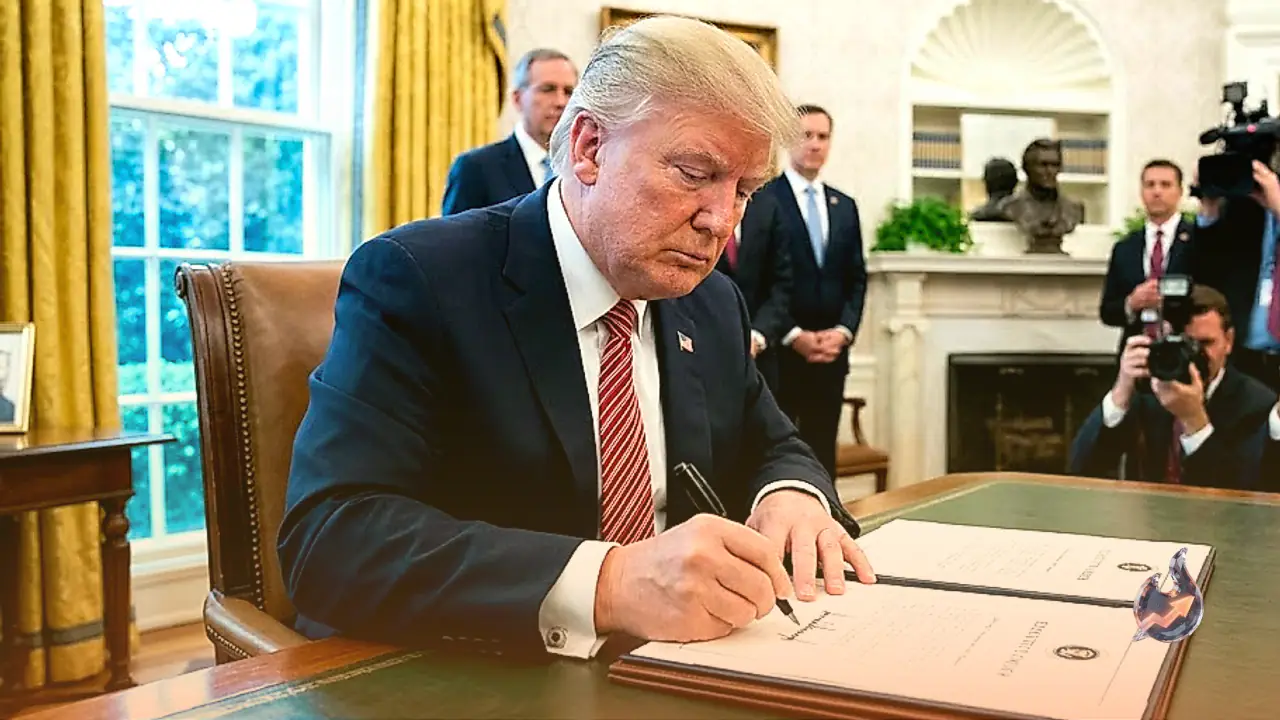

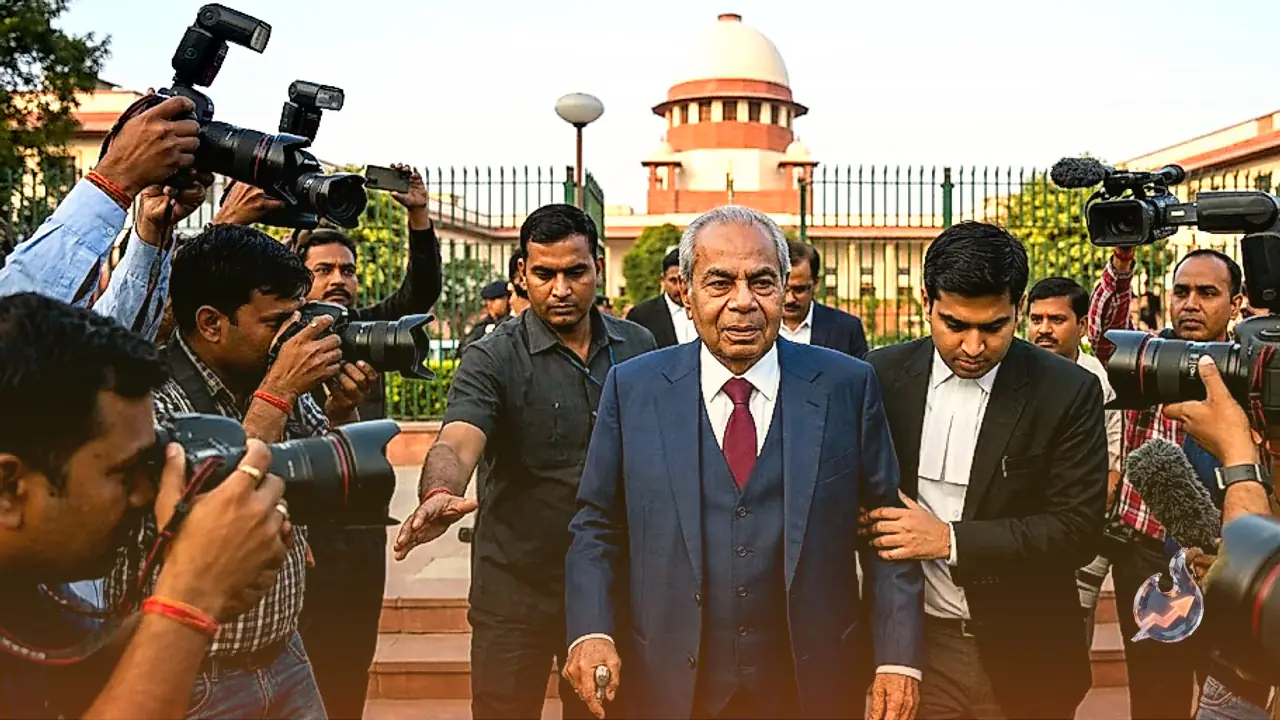





















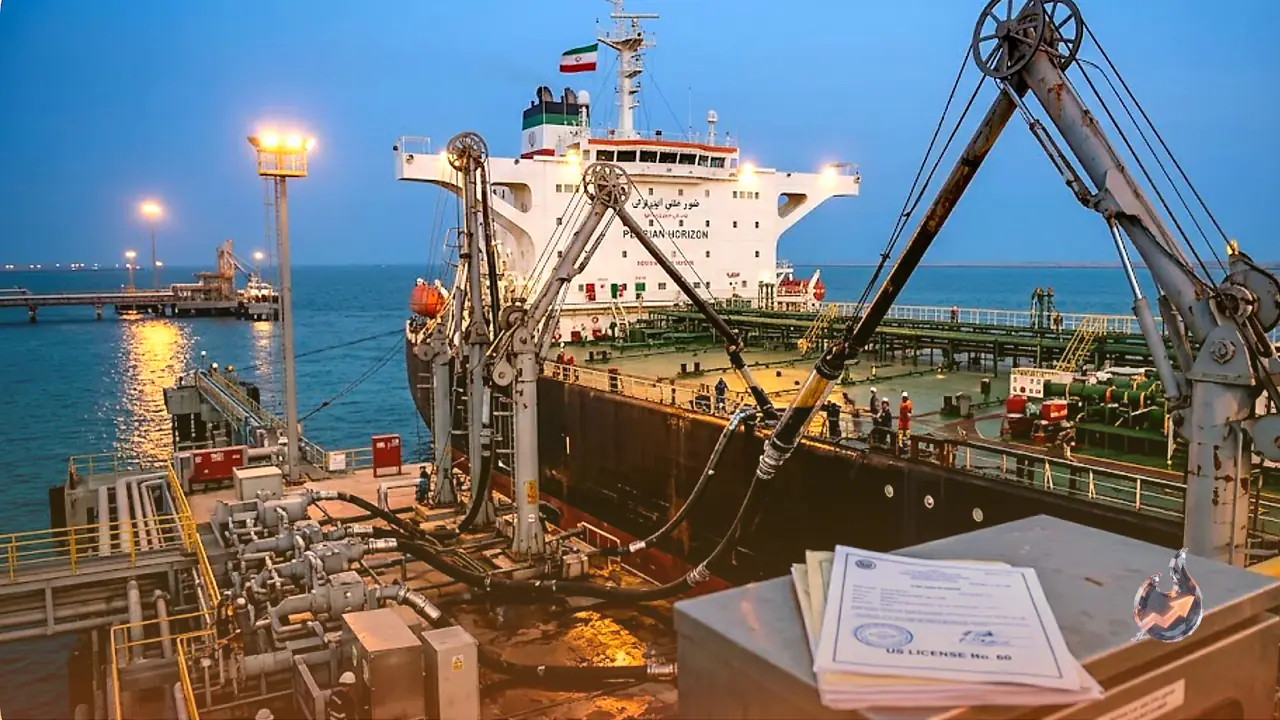

Diplomatic talks held in Switzerland between the United States and Iran have produced a concrete outcome: Washington has lifted its sanctions on Iranian oil for the next 60 days. US Treasury Secretary Scott Bessent made the announcement on X, confirming that the temporary waiver covering the production, delivery, and sale of Iranian oil and petroleum products will remain in place until August 21.
What the 60-Day General License Covers
Bessent stated in his X post that the US Treasury Department has issued a temporary 60-day general license for Iranian oil. The scope of the arrangement is broad: American companies are also permitted to purchase Iranian oil under this license, and payments can be settled in US dollars. This makes the waiver more significant than a simple third-country exemption, as it opens the door for direct US participation in Iranian oil trade.
What the Switzerland Talks Produced
US Vice President JD Vance described the Switzerland negotiations as a major step forward, saying the talks had yielded significant progress. During those discussions, Iran put forward two key commitments. First, it agreed to allow officials from the International Atomic Energy Agency to re-enter the country. Second, it gave formal assurances of safe and unimpeded passage for vessels traveling through the Strait of Hormuz.
Why Hormuz Is Central to This Story
The Strait of Hormuz ranks among the world's most strategically critical energy transit corridors, with roughly 20 percent of global crude oil exports flowing through it. In the period leading up to this deal, regional tensions and conflict had sharply reduced oil tanker traffic through the strait. Many vessels rerouted for safety reasons, disrupting energy flows and unsettling global markets. Following the recent agreement, shipping activity through the strait has begun to recover, raising expectations of broader relief across global oil and gas markets.
What Comes After the 60-Day Window
Under the terms of the deal, ships will be free to transit Hormuz without any additional fees for the full 60-day period. Once that window closes, Iran and the Gulf states are set to come together and negotiate the future governance of this route, including how any transit fee arrangement will be structured going forward.