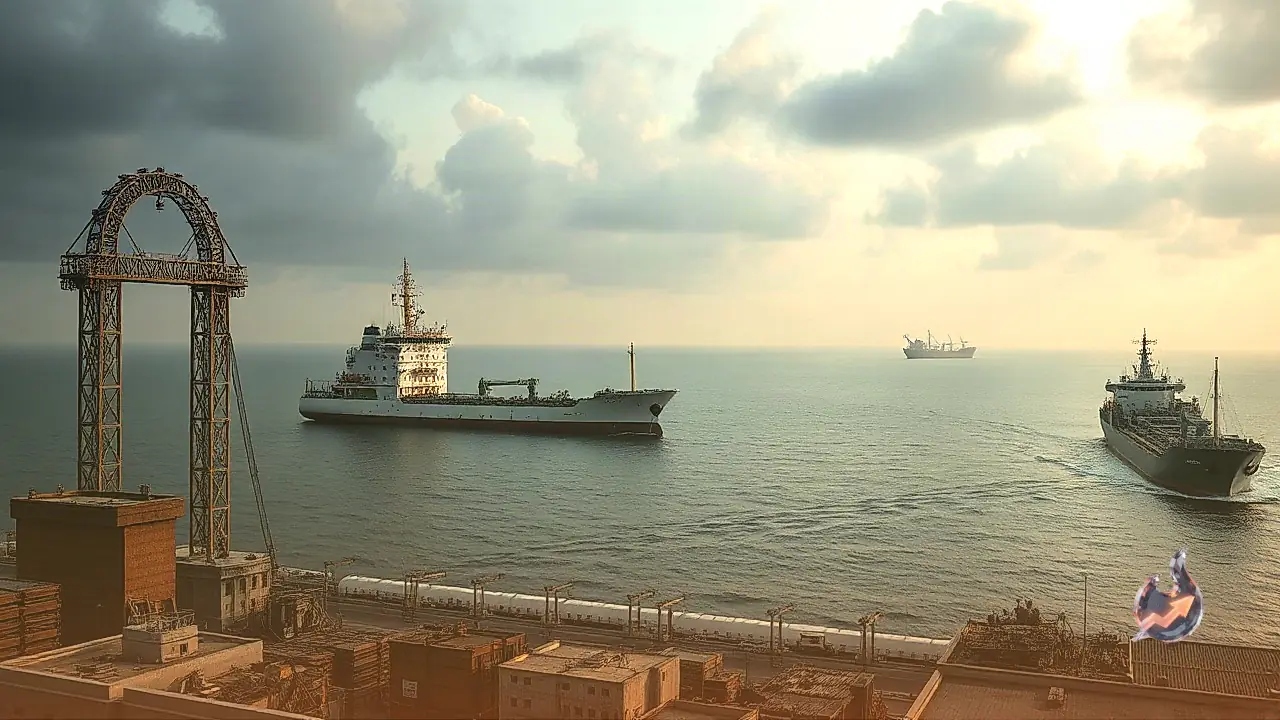























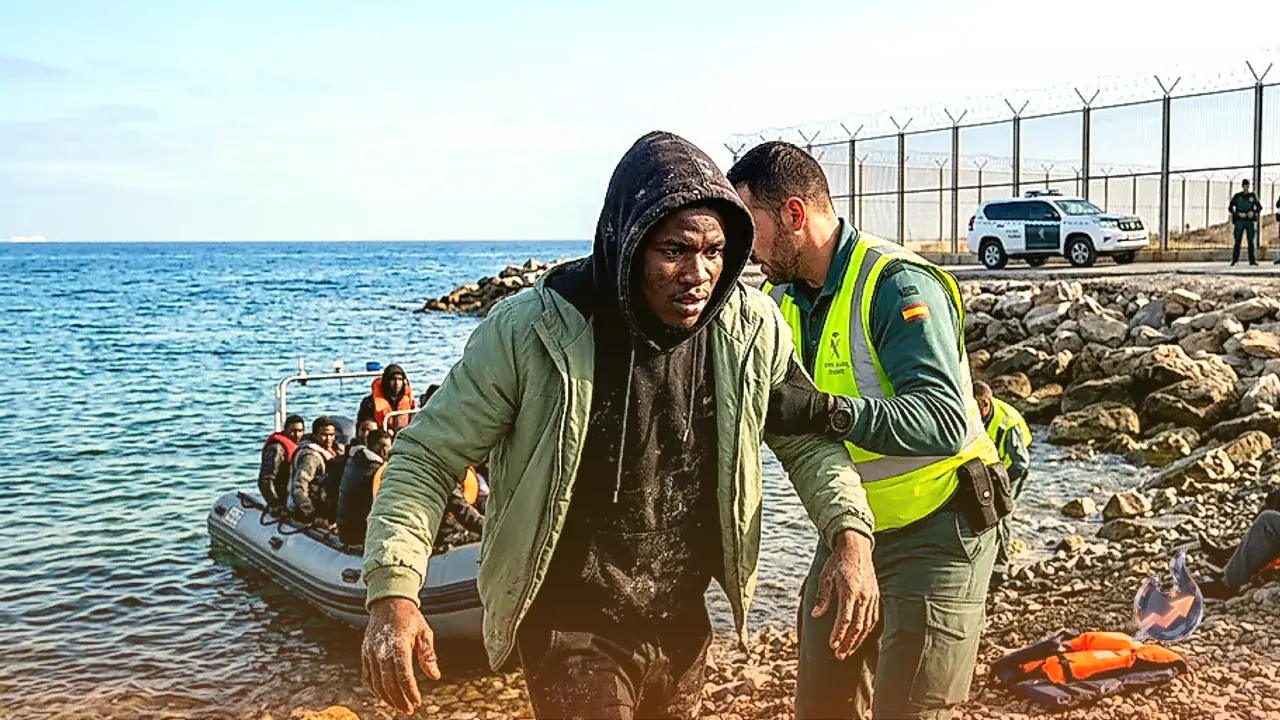

The geopolitical and humanitarian challenges surrounding irregular migration into Europe have intensified once again following a dramatic border breach in the North African territory of Ceuta. In a swift and overwhelming movement, more than 60,000 undocumented individuals crossed the sea from Morocco into the Spanish autonomous city. The influx breached coastal border perimeter checks and poured into the city's coastal areas, creating an emergency situation that exceeded the capacity of local law enforcement. In response to the escalating crisis, the Spanish government deployed military forces across the sea to Ceuta to fortify border checkpoints and re-establish public order.
However, mass undocumented migration remains an ongoing, structural reality for the European continent. Each year, hundreds of thousands of people originating from diverse nations across Asia and Africa attempt perilous journeys toward member states of the European Union. According to comprehensive monitoring by Frontex, the European Border and Coast Guard Agency, migrant movements are concentrated across seven primary entry corridors comprising both maritime and overland transit networks. These corridors span thousands of kilometers across rugged mountain ranges, dense wilderness, razor wire fences, and treacherous maritime passages.
The most hazardous element of these migratory journeys involves navigating the Mediterranean Sea. Spanning a surface area equivalent to approximately 78 percent of India's total geographical area, this sea poses formidable oceanic dangers. Migrants frequently attempt to navigate these deep ocean routes aboard unseaworthy wooden fishing vessels, fragile inflatable dinghies, and overcrowded craft. Despite high mortality rates resulting from shipwrecks, exposure, and dehydration, trafficking syndicates continue to funnel large volumes of individuals along these seven key pathways.
Central Mediterranean Corridor: Hazardous Sea Journeys Toward Italy and Malta
The Central Mediterranean corridor is widely recognized as one of the deadliest maritime migration routes in the world. Originating primarily along the North African coastlines of Libya and Tunisia, this passage leads directly northward across open sea toward Italy and Malta. The Italian island of Lampedusa serves as the primary European landfall point due to its close geographical proximity to North Africa.
This transit route is predominantly utilized by individuals originating from countries such as Bangladesh, Egypt, and Eritrea. Migration dynamics along this path are heavily dependent on entrenched human smuggling syndicates operating out of Libyan and Tunisian coastal hubs. These syndicates extract large financial sums from migrants in exchange for passage on severely unseaworthy craft, including degraded wooden fishing vessels, unreinforced rubber dinghies, and aging boats lacking navigation instruments.
The hazards associated with the Central Mediterranean crossing are severe. Vessel capsizing and drowning represent constant threats during turbulent sea conditions. Furthermore, prolonged exposure to harsh sunlight, severe dehydration, starvation, and sudden oceanic squalls account for heavy fatalities. In transit zones like Libya, migrants face extreme human rights vulnerabilities, including arbitrary detention, physical violence, extortion, and forced labor by armed militia groups. Annual statistical registries maintained by the International Organization for Migration document heavy casualties and missing persons along this corridor year after year.
Eastern Mediterranean Corridor: Entry into Greece, Cyprus, and Bulgaria via Turkey
The Eastern Mediterranean corridor functions as a historical transit pathway for asylum seekers and migrants originating from the Middle East, South Asia, and East Africa. Primary source populations traveling along this network include citizens from Afghanistan, Sudan, Egypt, and Syria. The corridor incorporates both maritime sea crossings and terrestrial land routes traversing Turkey, Eastern Libya, and Egypt.
The maritime component involves short-distance crossings from the western coast of Turkey across the Aegean Sea to various Greek islands, as well as sea voyages targeting Cyprus. For longer maritime journeys, such as voyages launched from Eastern Libya toward the Greek island of Crete, smuggling operators utilize larger sailing vessels and commercial fishing boats. Terrestrial entry points involve crossing the land border between Turkey and Bulgaria on foot or wading across the Evros River separating Turkey and Greece.
Smuggling networks operate extensively throughout this network, supplying inflatable craft, coordinating departure timing to evade coastal patrols, and acting as land guides through frontier zones. Primary dangers along this corridor include capsizing in Aegean waters, exposure to severe temperature swings, physical exhaustion, river currents, and border security enforcement encounters.
Western African Atlantic Corridor: High-Risk Voyages to Spain via Canary Islands
The Western African Atlantic corridor represents a long-distance ocean passage connecting coastal West Africa directly with Spanish territory. Migrants utilizing this route primarily originate from sub-Saharan nations, including Mali, Senegal, and Guinea. Individuals assemble in coastal transit hubs located across Mauritania, Morocco, Senegal, and The Gambia prior to departure.
From these coastal points, vessels embark across open Atlantic waters targeting the Canary Islands, an archipelago belonging to Spain. Voyages are conducted aboard long wooden fishing vessels known locally as Cayucos or Pateras. These boats are constructed primarily for artisanal coastal fishing and are ill-equipped to navigate open ocean swells, yet smugglers routinely pack them far beyond safe operational capacities.
Organized human trafficking cartels active in Mauritania and Senegal facilitate these embarkations. The Atlantic route is subject to severe oceanic hazards, including powerful ocean currents, vast travel distances, sudden weather shifts, and total isolation. If vessels experience engine failure or navigational disorientation, they risk drifting into the open ocean, leading to fatal dehydration and vessel capsizing before reaching land.
Western Balkan Corridor: Overland Treks Across Balkan Forests and Mountains
The Western Balkan corridor operates as a continuous land migration route crossing the Balkan peninsula. This path is frequented primarily by migrants originating from Turkey, Afghanistan, and Syria. The operational framework of this route typically involves migrants entering Greece or Bulgaria first before moving northward through non-EU Balkan states to reach the borderless Schengen Zone.
Key transit countries forming this land corridor include North Macedonia, Serbia, Bosnia and Herzegovina, Albania, and Montenegro. From these transit zones, migrants attempt to cross frontier lines into EU member states such as Hungary, Croatia, Romania, and Slovenia, with ultimate destinations situated in Western Europe, notably Germany and Austria.
Border crossing tactics rely on extensive foot travel through dense mountain forests and rural landscapes to bypass official checkpoints. Migrants also utilize concealed transportation inside commercial freight trucks, train cars, or automobiles provided by local smuggling rings. Hazards along this route include freezing winter temperatures, severe cold weather exposure, violence from criminal gangs, rigorous border policing, and the risk of suffocation inside unventilated cargo vehicles.
Western Mediterranean Corridor: Infiltration from Morocco and Algeria into Ceuta, Melilla, and Spain
The Western Mediterranean corridor encompasses the transit pathways directly connected to the recent emergency in Ceuta. Migrants using this corridor originate predominantly from Algeria, Somalia, and Morocco, using Morocco and Algeria as primary departure launchpads.
Entry into European jurisdiction along this route occurs via two distinct mechanisms. The first involves short sea crossings aboard small rubber dinghies from the North African coast toward the southern mainland of Spain. The second mechanism involves direct land and coastal entry into the Spanish autonomous enclaves of Ceuta and Melilla, which share land borders with Morocco on the African mainland.
To secure entry into Ceuta and Melilla, migrants face multi-layered security perimeters featuring tall double fences topped with razor wire and monitored by electronic sensors. Smuggling networks frequently coordinate mass storming attempts, where large groups of migrants attempt to scale perimeter fences simultaneously to overwhelm security posts. Other individuals attempt to swim around coastal breakwaters into enclave territory. Severe lacerations from razor wire, physical collisions with security forces, and drowning during coastal swims represent the primary risks of this corridor.
Eastern Borders Corridor: EU Entry Through Belarus and Russia's Dense Wilderness
The Eastern Borders corridor is a specialized terrestrial entry route running along the eastern boundary of the European Union. Migrants navigating this path originate from various nations in the Middle East, Africa, and Asia. The unique operational pattern of this route involves migrants traveling legally or semi-legally via commercial air routes into transit hubs in Russia or Belarus.
Upon reaching Moscow or Minsk, international smuggling networks coordinate logistics to transport migrants toward border zones adjacent to European Union member states. From these frontier areas, migrants attempt clandestine entry into Poland, Lithuania, and Latvia, aiming to continue onward to destination countries across the EU internal market.
Crossing methods involve navigating dense swampy forests, crossing riverways, and cutting or scaling perimeter fencing installed along border lines. During winter months, weather conditions in these northern forest zones drop far below freezing. Hypothermia, disorientation in vast wilderness areas, physical exhaustion, and intense border enforcement measures characterize the hazards of this entry route.
English Channel Corridor: Crossing World's Busiest Shipping Lane to Reach the UK
The English Channel corridor serves as the final sea crossing point for migrants seeking to reach the United Kingdom from mainland Europe. Individuals attempting this crossing originate from nations including Eritrea, Afghanistan, Iran, Sudan, and Somalia, having previously traversed mainland Europe to reach northern coastal transit points in France and Belgium.
Departing from northern French beaches, migrants cross the Dover Strait and the English Channel aboard small inflatable rubber boats to land along the southern coast of the United Kingdom, particularly around Dover. Organized criminal networks operating in northern France control the supply of inflatable vessels, outboard engines, and safety equipment, charging high fees per passenger berth.
The English Channel is recognized as one of the world's most heavily congested maritime shipping lanes, carrying constant commercial traffic, supertankers, and container vessels. Small inflatable boats face severe risks of capsizing due to heavy sea chop, dense maritime fog, low water temperatures, and potential collisions with large commercial vessels operating in the shipping lanes.
A Decade of Migration Statistics: Annual Inflow and Casualty Records From 2015 to 2026
Statistical records compiled by Frontex and the United Nations Refugee Agency highlight sustained migration pressure across European borders over the past decade. During the initial months of 2026, official registries record 49,786 migrant arrivals, excluding the recent localized influx of over 60,000 individuals into Ceuta from Morocco.
Comparative documentation spanning the ten-year period from 2015 through 2025 demonstrates consistent annual migration volumes exceeding 100,000 individuals alongside significant human mortality numbers
- Year 2025: 154,500 migrants recorded entering Europe, while 2,950 individuals were registered dead or missing along sea and land corridors.
- Year 2024: 199,400 migrant entries documented, with 3,580 confirmed fatalities or disappearances.
- Year 2023: 275,200 arrivals registered across entry points, accompanied by 4,110 recorded casualties.
- Year 2022: 173,400 total migrant entries logged, while 3,017 individuals were reported dead or missing.
- Year 2021: 132,800 recorded arrivals into European territory, alongside 3,231 fatalities and missing persons.
- Year 2020: 96,800 arrivals recorded during period of global pandemic movement restrictions, with 1,881 deaths or disappearances.
- Year 2019: 123,700 undocumented arrivals documented, while 1,510 individuals lost their lives or went missing.
- Year 2018: 141,400 arrivals registered across European frontiers, with 2,277 casualties logged.
- Year 2017: 185,100 irregular entries recorded, with 3,139 deaths or disappearances.
- Year 2016: 372,800 arrivals documented across border corridors, alongside 5,096 recorded fatalities.
- Year 2015: Historical peak of 1,031,700 migrant entries documented during the height of the Syrian crisis, with 3,771 recorded casualties.
Europe Caught Between Humanitarian Crisis and Border Security Enforcement
European Union member states remain caught in a complex policy dynamic balancing international humanitarian obligations with national security imperatives and border integrity. The military deployment by Spain in Ceuta, combined with wall fortifications constructed along Polish and Greek borders, reflects an increasingly assertive security posture across European frontiers.
Simultaneously, joint law enforcement initiatives aimed at dismantling human trafficking syndicates are being expanded in coordination with transit states such as Morocco, Tunisia, Libya, and Turkey. Nevertheless, as long as push factors such as armed conflict, economic distress, and political instability persist in origin countries, irregular migration across these seven established pathways into Europe is expected to remain a central geopolitical issue.