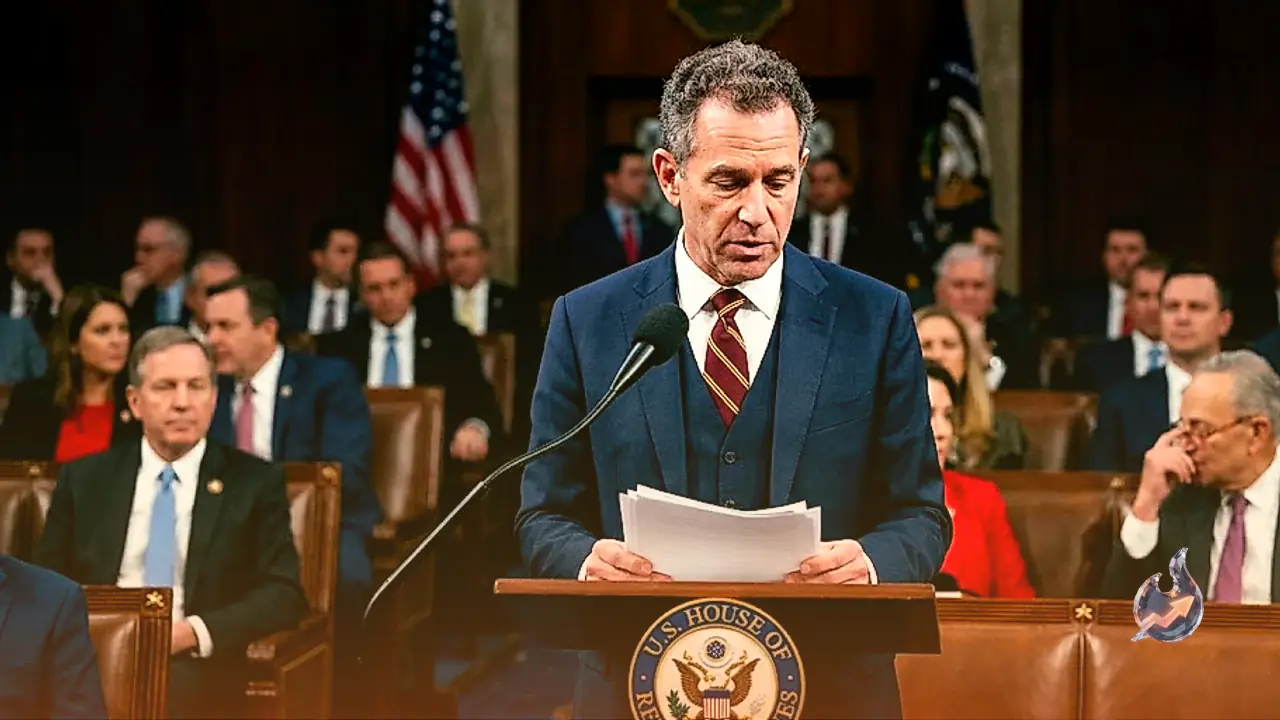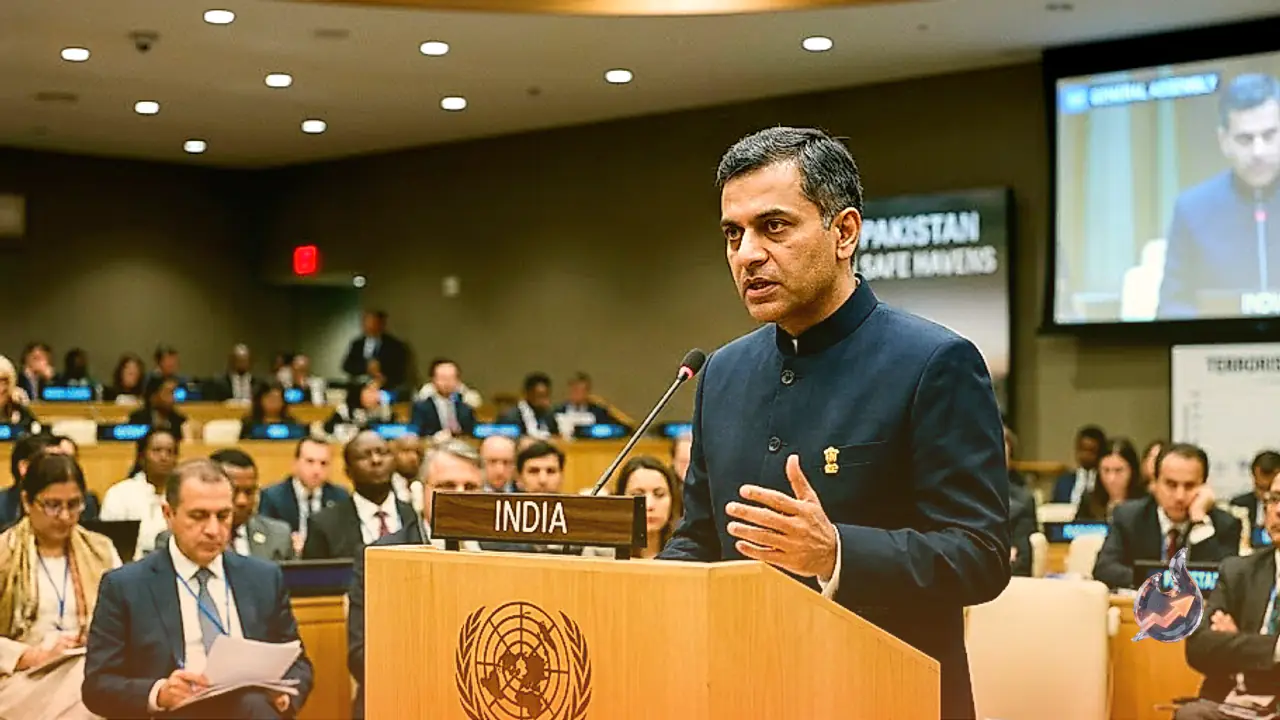


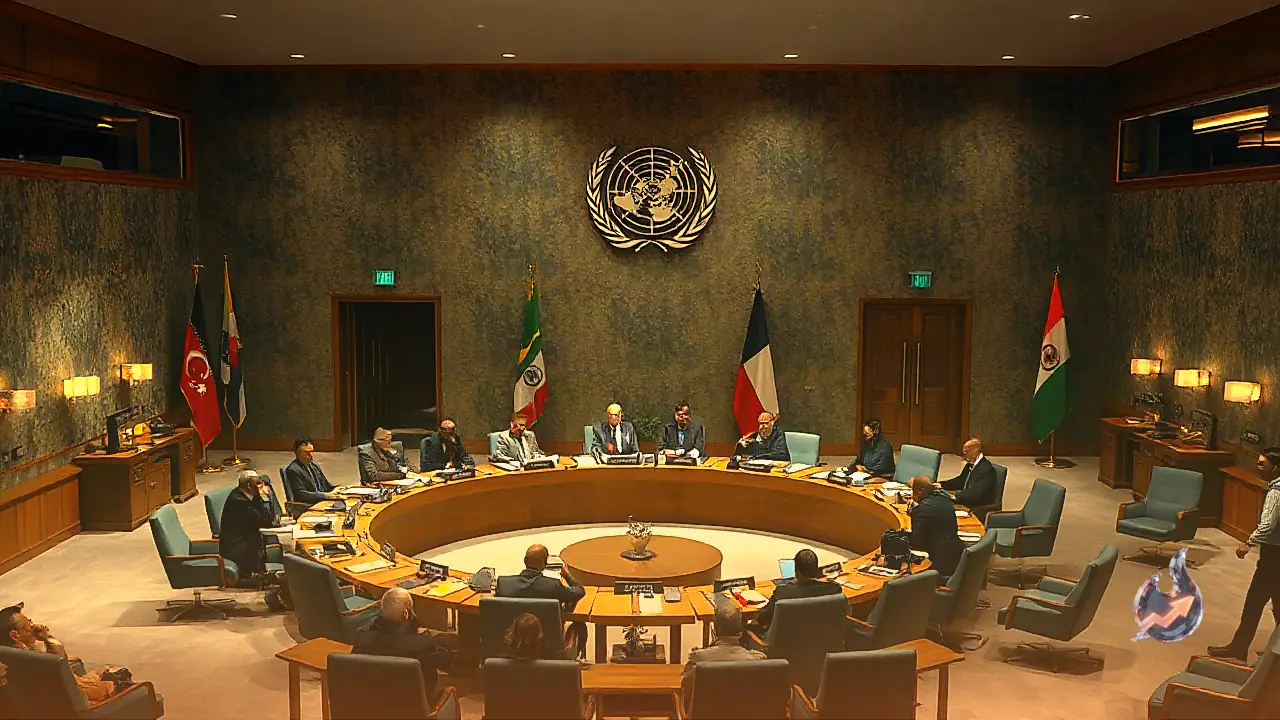

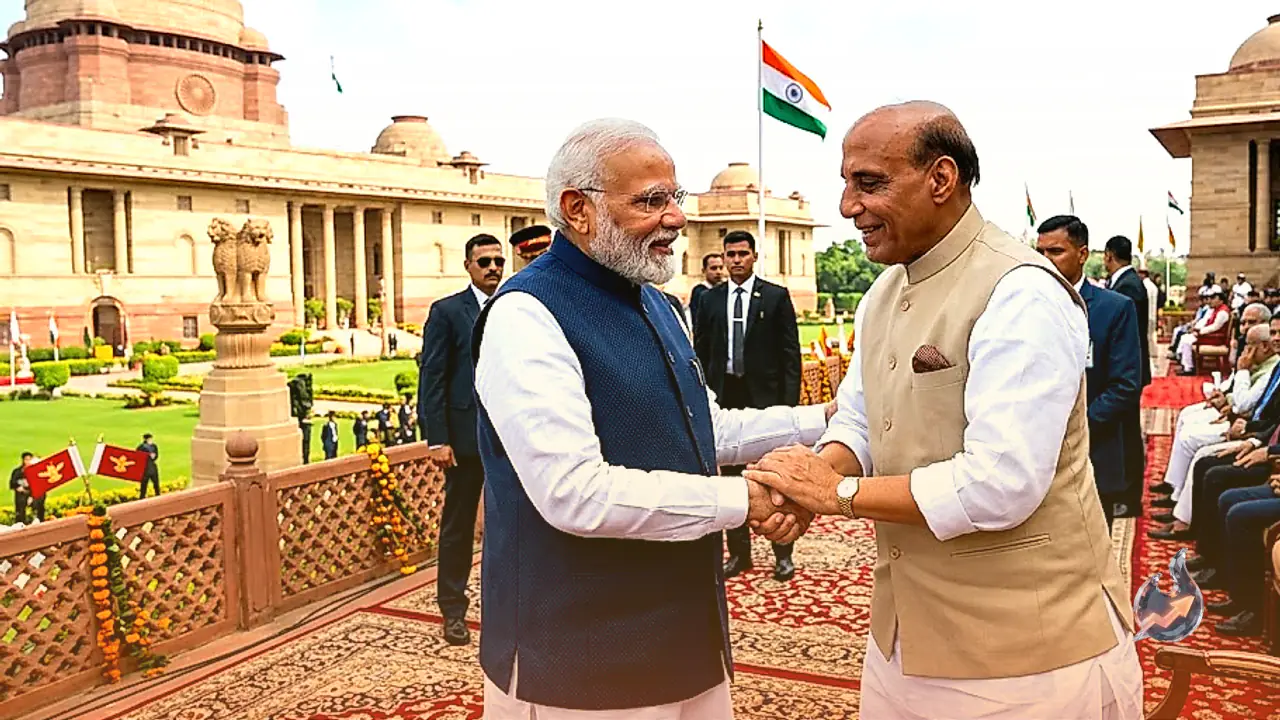















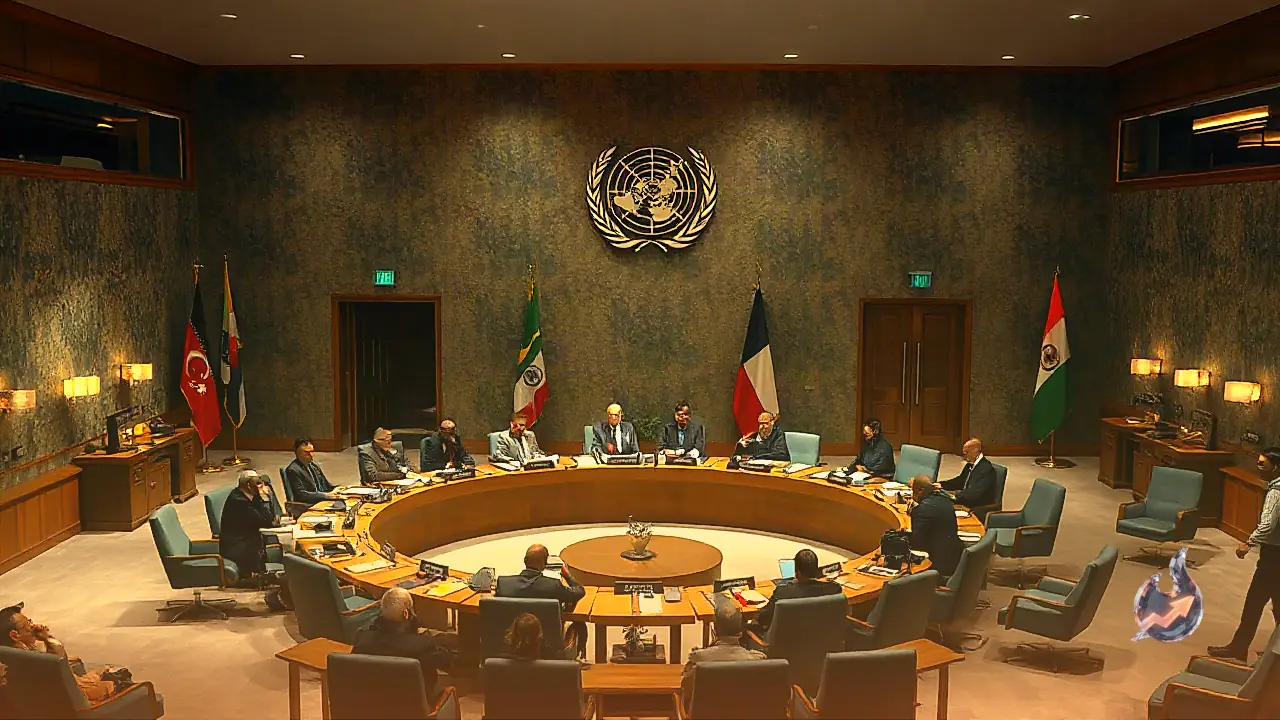

During a recent United Nations Security Council meeting, discussions centered on the political landscape, security challenges, humanitarian crises, and human rights conditions in Afghanistan. India's Permanent Representative to the United Nations, Parvathaneni Harish, addressed the council by first congratulating France on assuming the presidency for the month and expressing gratitude for the floor. He also acknowledged the briefing provided by the Head of the Mission and Deputy SRSG for Political Affairs in Afghanistan, Jeorgette Gagnon, while noting the insights shared by civil society organizations.
A Bond Beyond Modern Borders
Parvathaneni Harish emphasized that as neighbors, the relationship between Indians and Afghans predates modern maps and political boundaries. Historically, the routes connecting Kabul to the plains of India were not merely commercial pathways, but conduits for ideas, knowledge, beliefs, and faith. Over the centuries, numerous empires rose and vanished across these regions, but the thread of friendship and brotherhood connecting the Afghan and Indian peoples never snapped. This enduring sentiment forms the foundation of his country's policy toward Afghanistan, supporting peace, stability, and prosperity to aid sustainable development. Proof of this commitment is evident in India's participation in the Doha Working Group meetings, robust bilateral development partnerships, and ongoing regional initiatives.
Harish reiterated the strong belief of Prime Minister Narendra Modi that India's shared aspiration for a peaceful and secure Eurasia is deeply intertwined with peace and stability within Afghanistan. Through more than 500 development partnership projects spanning all 34 provinces of Afghanistan, India continues to contribute to the nation's growth. The commitment to delivering assistance to the Afghan people remains unwavering, with India collaborating closely with United Nations agencies and entities like the Afghan Red Crescent Society to reach those most in need.
Expanding Cooperation and Addressing Humanitarian Needs
Recent months have seen visits by Afghan ministers to India, enabling fruitful discussions on humanitarian assistance, development projects, healthcare, food security, capacity-building, counter-narcotics, sports, education, trade, travel, and connectivity. All these efforts are directed toward the welfare and developmental needs of the more than 4.8 crore Afghan people who have faced severe deprivation, hardships, and deep neglect from the international community over the past five years.
Highlighting the findings of the UN Secretary-General's report, Harish pointed to the crisis facing Afghanistan's fragile public health system, which led to the closure of 150 health centers in the first half of the year alone. Stating that the global community cannot turn a blind eye to this grave situation, he stressed the need to invest in preventing a humanitarian catastrophe in Afghanistan. To support children's vaccination programs during the previous quarter, India dispatched 33 tonnes of vaccines and related supplies. Additionally, during this reporting period, India provided specialized medical equipment to Afghan health authorities, including neonatal and pediatric care equipment, cardiograph machines, ventilators, patient monitors, electrocautery equipment, plastic surgery sets, and specialized medical kits.