




















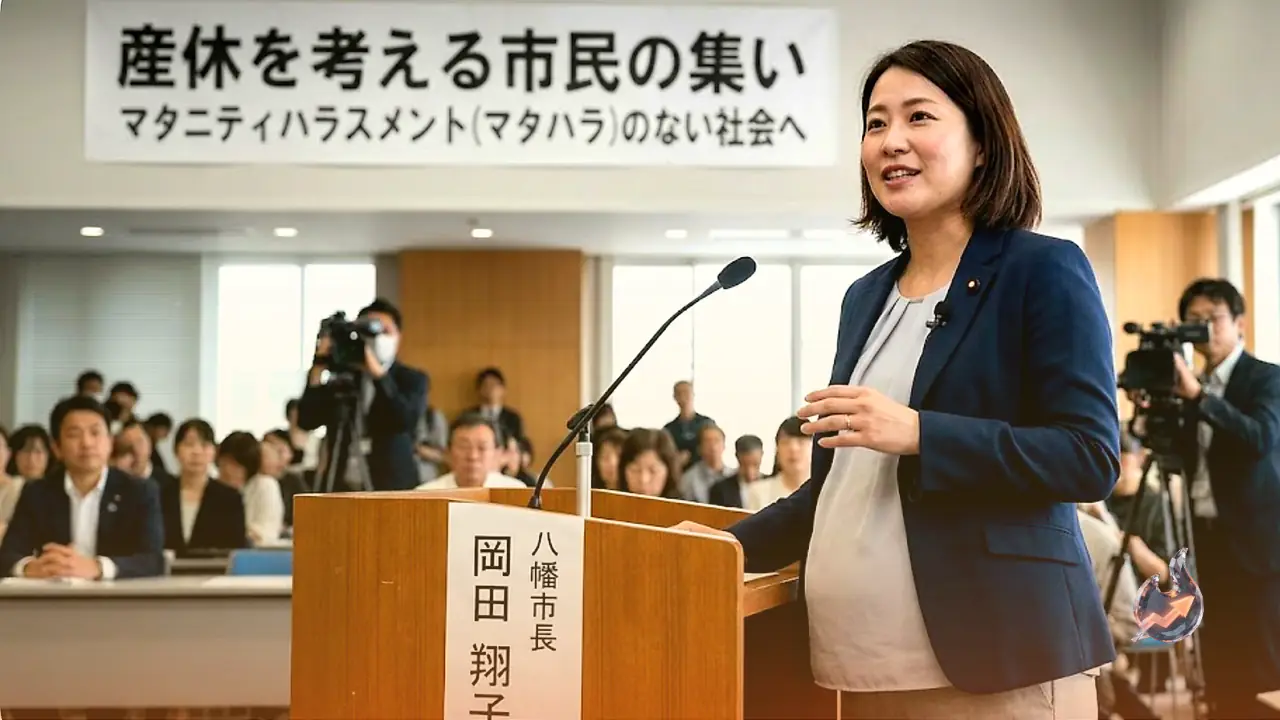

Shoko Kawata, the 38-year-old mayor of Yawata city in Japan, is on the verge of a quiet but significant first: she will be the country's first mayor to take maternity leave. It should have been unremarkable. Instead, it has set off a fierce national conversation about working mothers, public duty, and a phenomenon Japan has long struggled to address: matahara, or maternal harassment. The reaction to her two-month leave has ranged from warm support to pointed condemnation, and it has placed the treatment of women in Japanese workplaces directly in the public eye.
How the Controversy Unfolded
Kawata was elected mayor of Yawata last August. Shortly after assuming office, she found out she was pregnant. With her baby due in January, she decided to take two months off. In many parts of the world, an elected official taking parental leave would barely register as news. In Japan, the announcement drew national attention and, for some people, genuine anger.
Critics Speak Up Online
Many people backed Kawata's choice, but a vocal group of critics took to social media to express strong disagreement. Their argument was that she should not have become pregnant so soon after taking office. Some said she was placing her personal life above her obligations to Yawata's residents, and that she should have focused on her public duties before starting a family.
The backlash offered a revealing look at expectations that still linger in parts of Japanese society, where women in senior roles are often quietly pressured to delay or deprioritize motherhood in order to be taken seriously.
Kawata Responds
Rather than retreat, Kawata pushed back against the criticism directly. She pointed to what she described as a deep structural problem: women are routinely forced to make an impossible choice between family and career. Her view is that a healthy society should allow women to become mothers without guilt and to remain in the workforce without having to sacrifice one ambition for the other.
On the practical question of governance, she said she would stay engaged with critical matters during her leave, and that her team would keep the city's daily administration running smoothly. She also expressed hope that her decision would give other working women across Japan the confidence to claim their rights without apology or shame.
Understanding Matahara
Discrimination and pressure against working mothers have long been a recognised issue in Japan. The country has a specific word for it: matahara, a combination of the words for maternity and harassment, used to describe the hostility and discrimination that women face at work when they become pregnant or take time off to raise children.
Kawata's situation brings matahara into full view at the highest level of local civic leadership. If a city mayor cannot take maternity leave without facing public condemnation, the everyday challenges confronting ordinary working mothers across Japan come into stark focus.
A Question That Goes Beyond Japan
Becoming a mother is a deeply personal decision, but it is also one that every society ultimately depends on. Women who hold positions of public responsibility deserve to experience motherhood with full dignity and without having to justify themselves to critics. Kawata's stand raises a question that remains unresolved far beyond Japan's borders: how long will women be expected to choose between professional ambition and family, rather than being supported in having both?