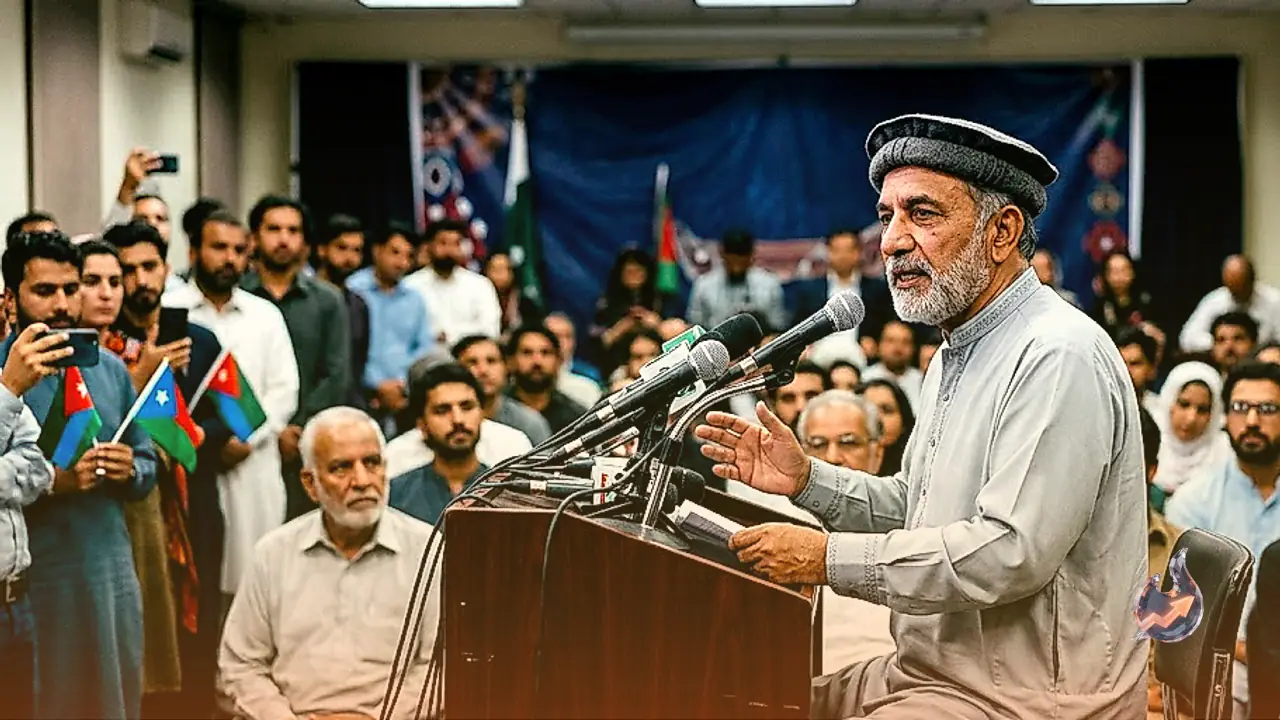



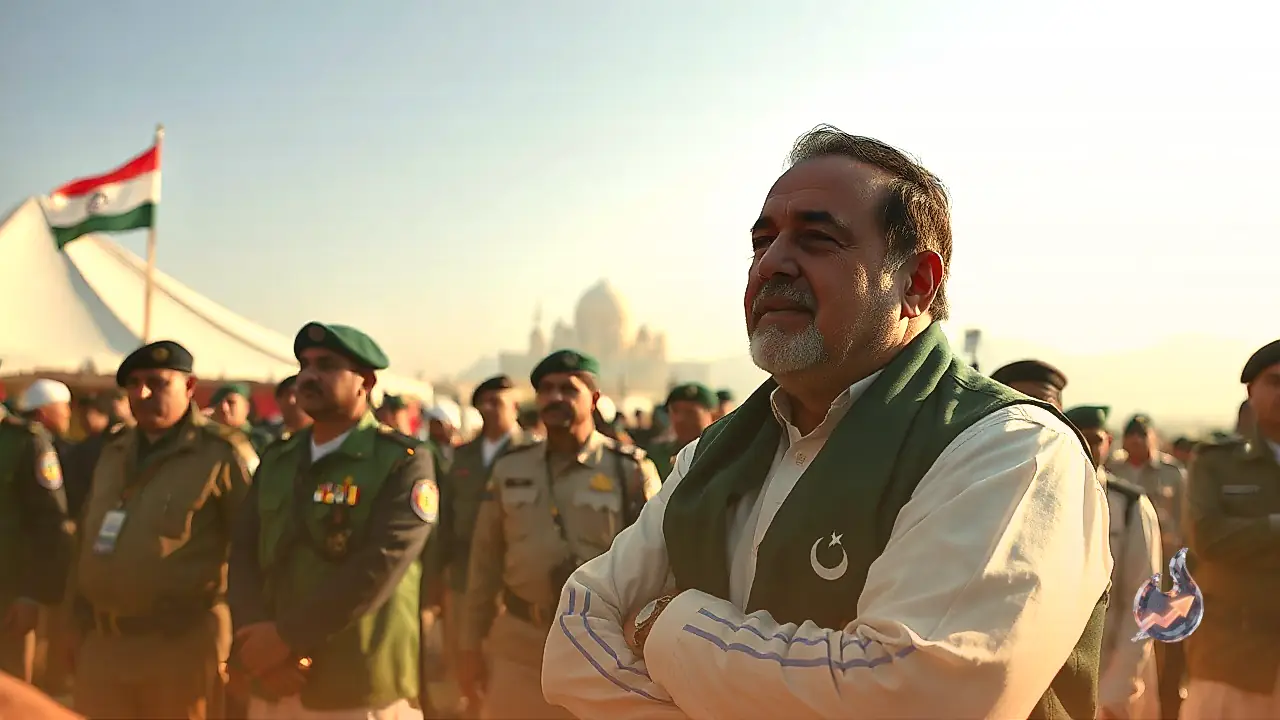
















During a high-profile ceremony held in Islamabad on the eve of Pakistan's Independence Day, the country's top political and military leadership gathered for the official inauguration of the 'Yadgar-e-Fateh' memorial. The event saw the joint presence of President Asif Ali Zardari, Prime Minister Shehbaz Sharif, and Field Marshal Asim Munir. Addressing the gathering, Prime Minister Shehbaz Sharif delivered a confrontational speech focusing heavily on relations with India, raising harsh rhetoric over water allocation and regional security. However, analysts view these public statements primarily as an attempt to divert public attention away from mounting domestic challenges shaking the administration.
Aggressive Stance on Water Rights and Kashmir
Addressing the audience in Islamabad, Shehbaz Sharif directed his primary focus toward the Indus Waters Treaty and the longstanding dispute over Kashmir. He asserted that every single drop of water allocated to Pakistan represents a strict red line for the nation. He warned that India must adopt what he described as the right path or face a direct response. While stating that Pakistan earnestly desires regional stability and peaceful coexistence, he stressed that this inclination toward peace should never be misconstrued as a sign of weakness. Reaffirming his government's traditional posture on Kashmir, he stated that the sacrifices made by Kashmiris would not be allowed to go in vain.
May 2025 Conflict Narrative and Recognition of US Role
In his address, Shehbaz Sharif made explicit references to the military standoff between India and Pakistan in May 2025 and the subsequent ceasefire that brought an end to hostilities. He framed the outcome of that conflict and the resulting agreement as a major victory for Pakistan, claiming that it restored national pride. He commended the armed forces and praised Field Marshal Asim Munir for their conduct during the crisis, framing the inauguration of the 'Yadgar-e-Fateh' memorial as a physical symbol of that official narrative. Furthermore, Sharif lauded US President Donald Trump for his diplomatic intervention in facilitating the 2025 ceasefire, while expressing strong optimism about deepening bilateral relations between Islamabad and Washington in the future.
Domestic Unrest and Silence on PoK and Balochistan
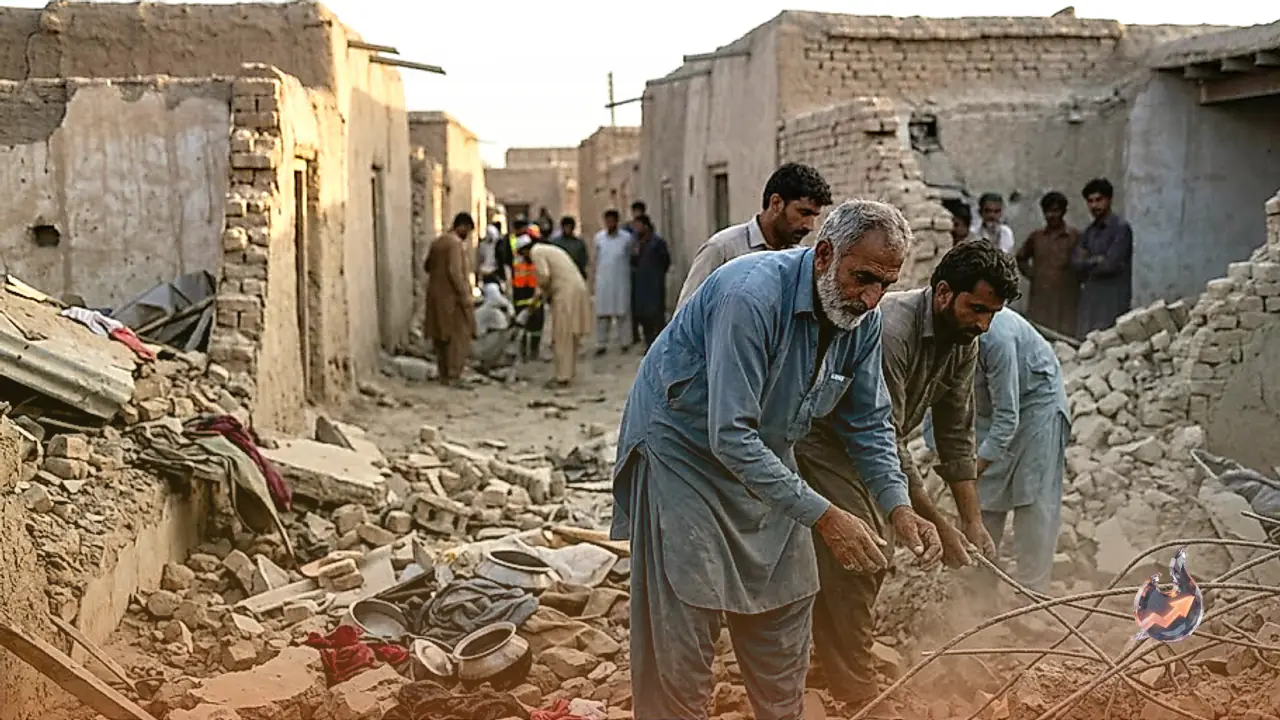
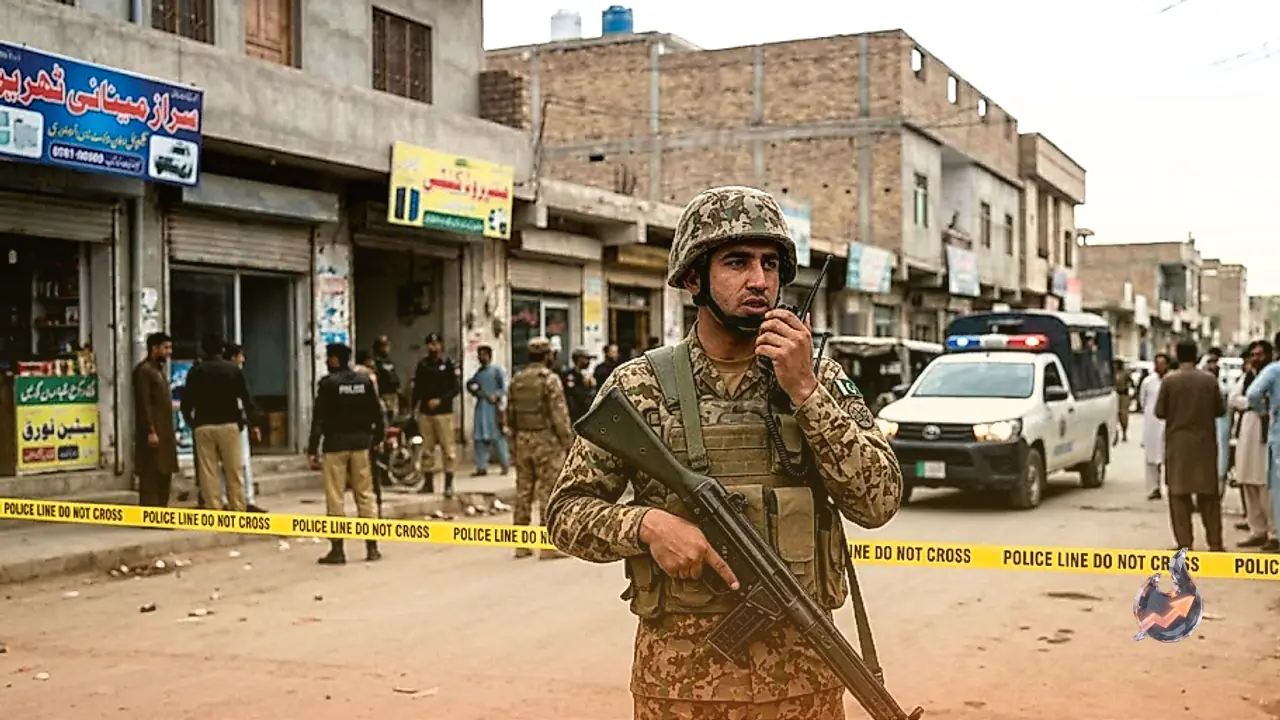
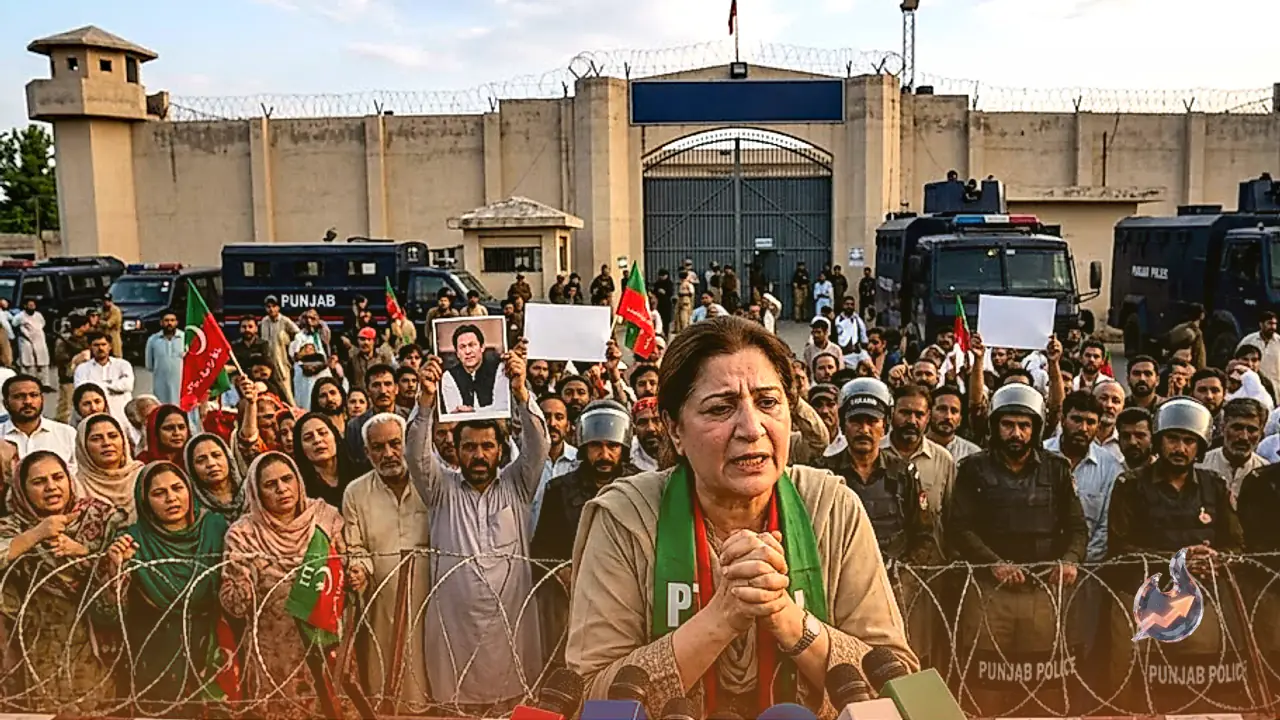
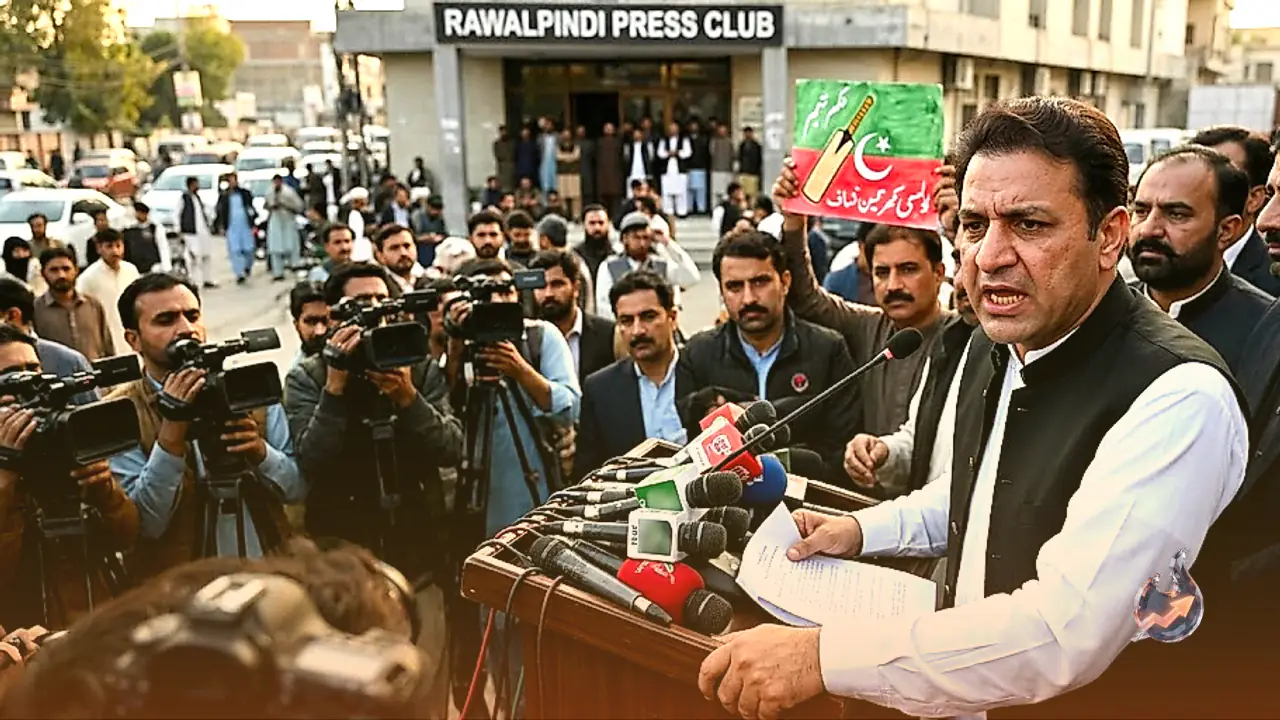
The aggressive posture maintained during the address comes at a time when Pakistan faces widespread internal turmoil. Ongoing public protests across multiple regions have put significant pressure on the government, prompting the leadership to rely on anti-India rhetoric to rally domestic support. Strikingly, Sharif made no reference whatsoever to the continuous civil demonstrations taking place within Pakistan-occupied Jammu and Kashmir (PoK). Similarly, he maintained total silence regarding recent military operations and air force strikes conducted against local populations in Balochistan. By focusing heavily on external defense rhetoric, the prime minister avoided addressing the severe internal security and governance crises building at home.