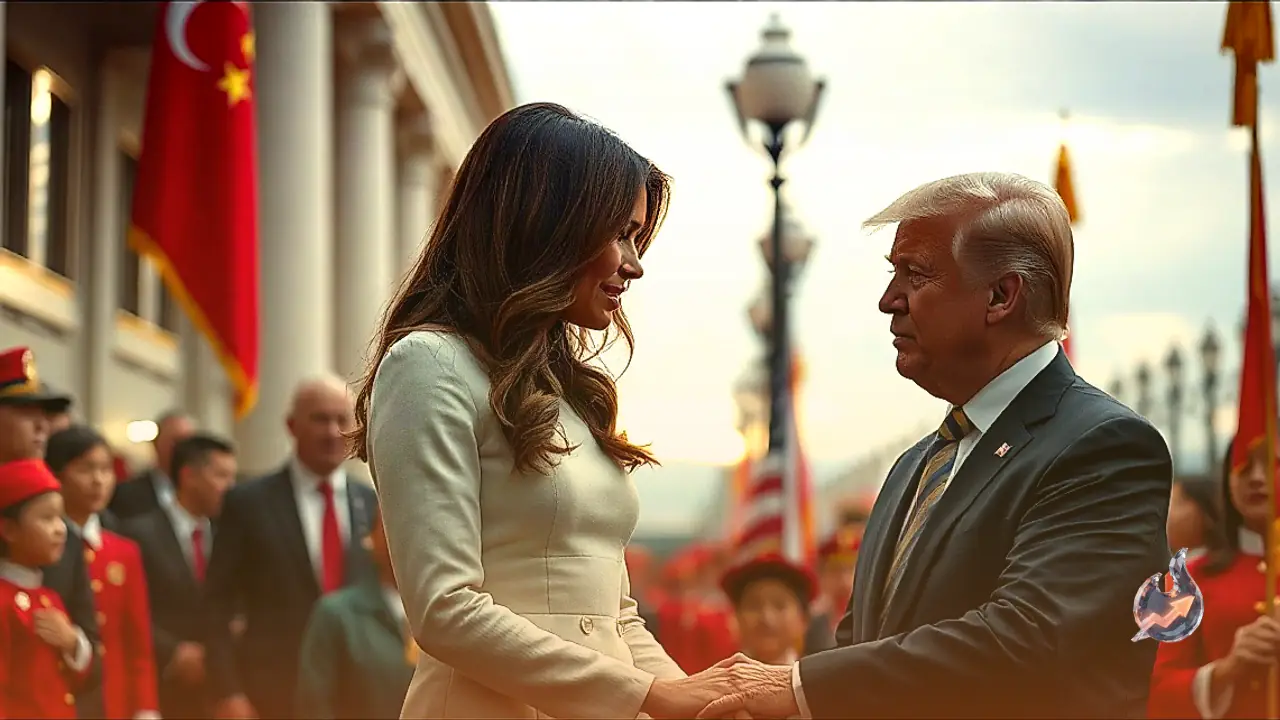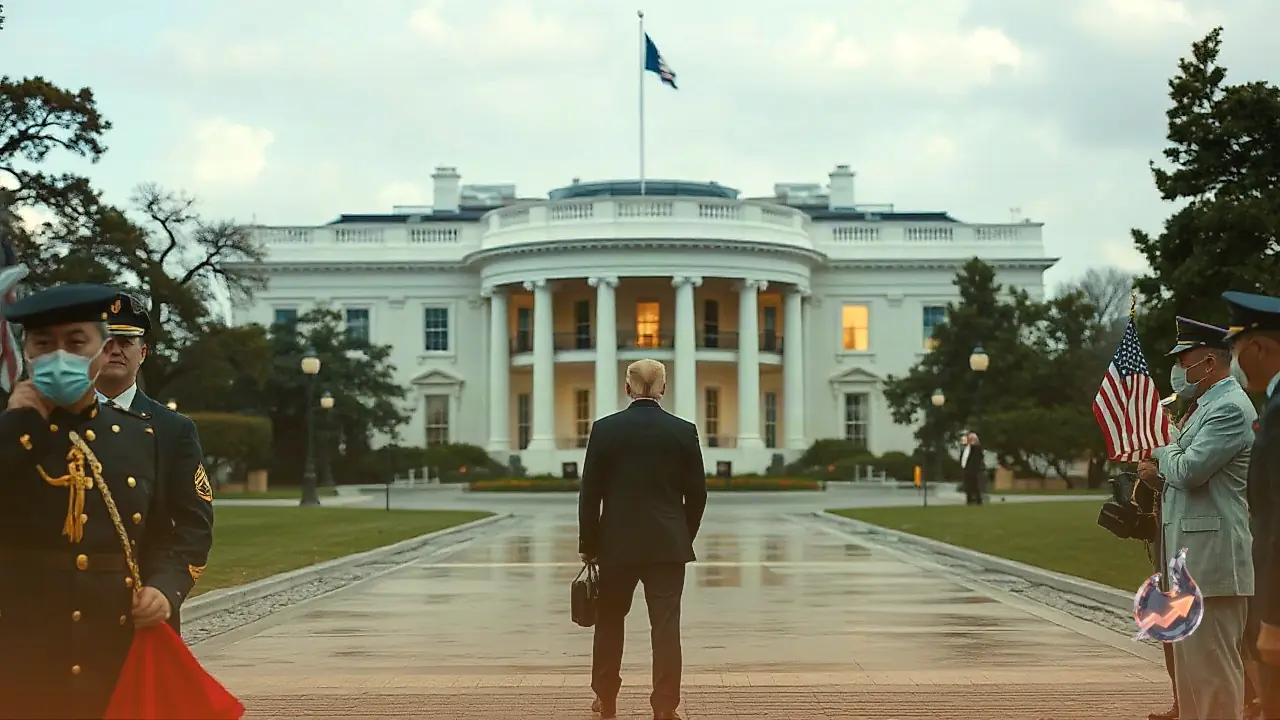















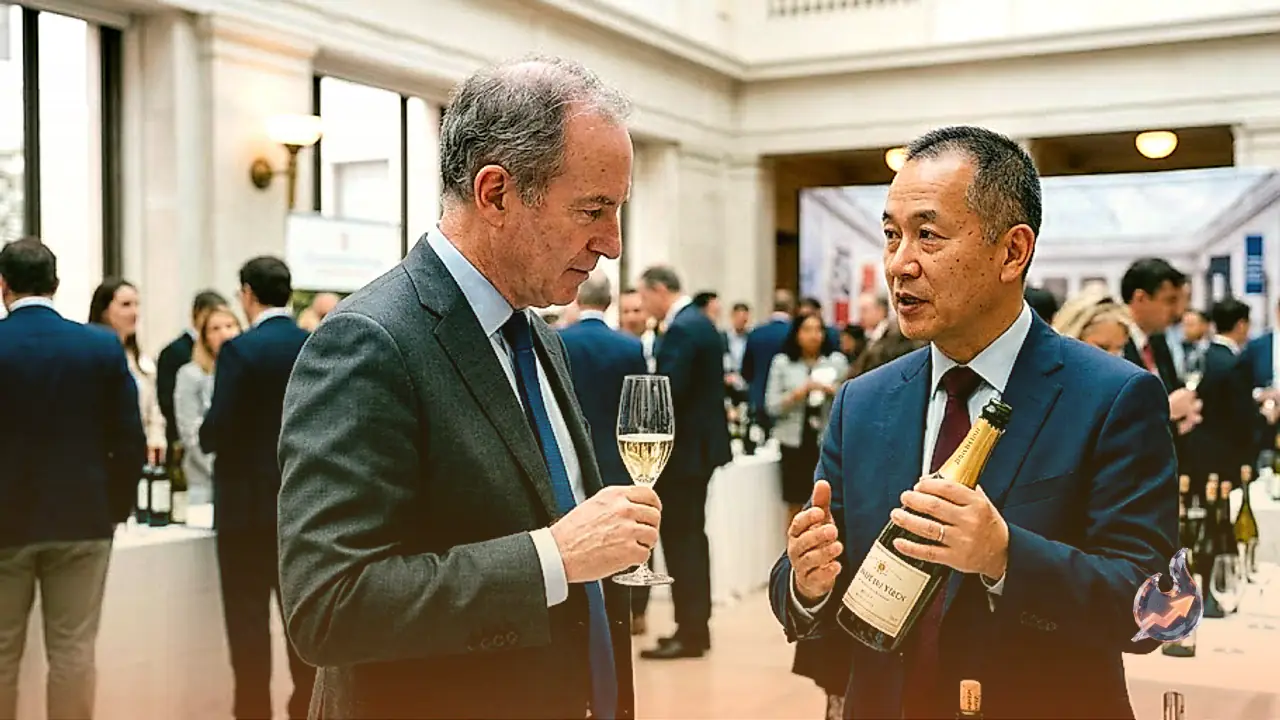

During a high-profile formal dinner held at the White House, the diplomatic dialogue shared the spotlight with the beverage served at the table. US President Donald Trump and Chinese President Xi Jinping enjoyed sparkling wine together during the gathering. The moment both heads of state raised their glasses, the gesture reverberated across the globe, sparking widespread public interest in the bubbly beverage itself. Observers around the world quickly began examining why these two influential leaders opted for this specific wine, how it is crafted, what it costs consumers, and the sheer scale of the industry behind it.
The Production Craft Behind Bubbly Wine
Within the United States, the majority of sparkling wine manufacturing takes place across California. Crafting this carbonated beverage through traditional methods requires precision, time, and specialized attention. Winemakers combine yeast and sugar directly inside the bottle to trigger a secondary fermentation cycle. This biological interaction produces natural carbon, which stays sealed within the bottle in the form of characteristic fine bubbles. To maximize the profile of the beverage, bottles remain resting alongside yeast for extended periods and are gently rotated over time to blend the contents. This meticulous technique significantly elevates the final texture and depth of flavour.
A faster secondary manufacturing method also exists in commercial wine making. In this accelerated technique, the fermentation occurs inside pressurized steel tanks rather than individual glass bottles. While using pressurized tanks significantly shortens the production schedule, the resulting wine generally does not achieve the distinct taste and premium profile delivered by traditional in-bottle aging.
Retail Pricing and the Diplomatic Strategy Behind the Choice
In retail terms, sparkling wine occupies an accessible to upscale price corridor, generally starting at around 20 dollars per bottle and climbing up to 200 dollars for higher grades. Translated into Indian currency, this price bracket spans from roughly 1,800 rupees to 18,000 rupees. Given that sparkling wine is not exclusively reserved for extreme luxury tiers, many questioned why the leaders of the world's two largest economies selected it for their toast.
The answer lies directly within commercial market realities. Both the United States and China represent the foremost consumer markets for sparkling wine globally. By sharing this particular vintage, the two heads of state delivered a visual economic signal to their domestic audiences, indicating that high-level bilateral discussions remain closely aligned with the shared economic and trade prosperity of both nations.
Global Market Dynamics and a 75 Billion Dollar Sector
On the commercial front, the United States remains the undisputed heavyweight of the sparkling wine industry. In 2025, the American domestic market accounted for approximately 26 percent of all sparkling wine sales recorded globally. Across international borders, the worldwide sparkling wine market stands at roughly 75 billion dollars, representing an economic footprint of approximately 7 lakh crore rupees.
Within this international industry, the US market valuation accounts for approximately 10 billion dollars. China has established a formidable presence of its own, with its domestic market measured at around 6 billion dollars. China commands an overall share of more than 14 percent of the global sector. Taken together, the United States and China control more than 40 percent of the entire 75 billion dollar international sparkling wine ecosystem, demonstrating their collective dominance in the trade.