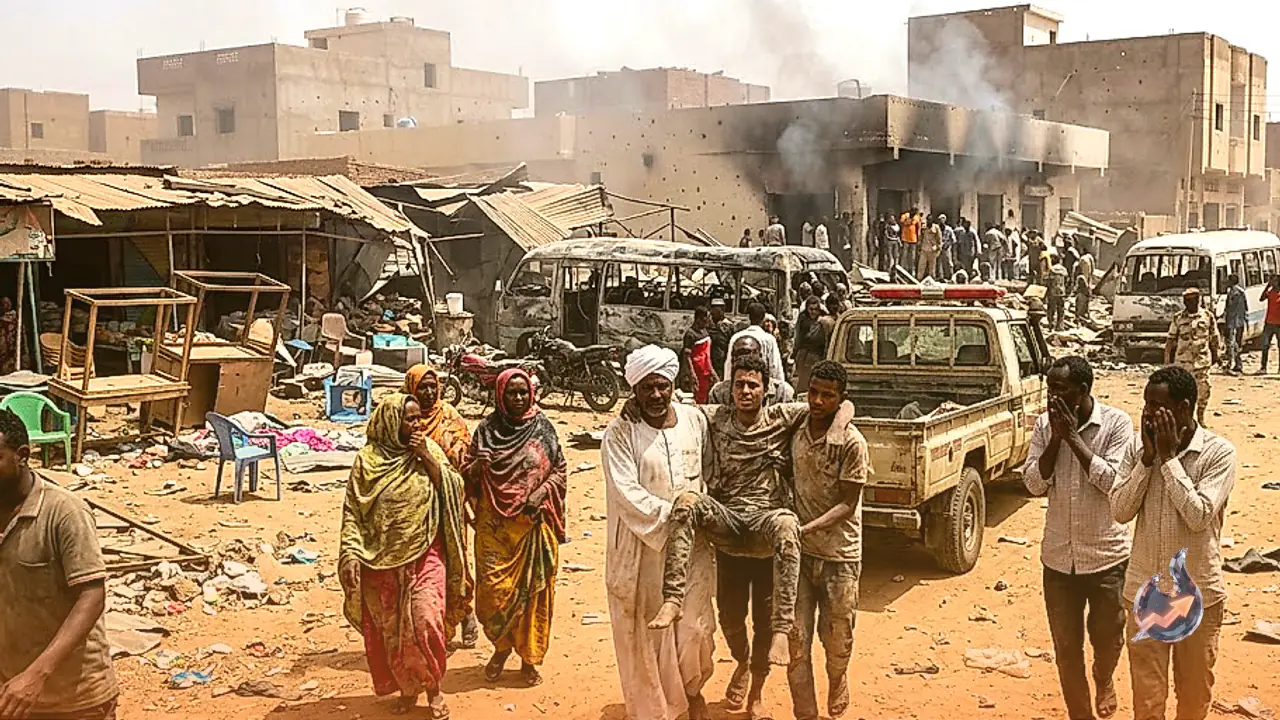
























A catastrophic natural disaster struck the Rasuwa district of Nepal on Wednesday morning, creating widespread destruction along the Bhote Koshi river belt. Heavy landslides triggered by sudden flooding devastated entire settlements, resulting in at least 160 confirmed fatalities so far. Furthermore, 844 people remain missing, among whom are several Indian pilgrims visiting the sacred Kailash Mansarovar site alongside international tourists. The news of this tragedy has sent shockwaves among recent travelers who traversed this exact mountainous passage just weeks prior to the incident.
Complete Destruction in Rasuwa and Collapse of Chinese Immigration Hub
The impact of the landslide was exceptionally severe in the Rasuwa-Kerung sector, situated close to the border shared by Nepal, Tibet, and China. Infrastructure along the border sustained immense damage, including the Chinese immigration center, which was completely reduced to a pile of rubble. Neighboring territories such as Trishuli, the Bhote Koshi river region, Trishuli Bazar, and Syabrubesi suffered severe structural losses. Fast-moving floodwaters completely swept away buildings, and a serene village located along the river route was nearly erased from the map, altering the local topography permanently.
Kolkata Traveler Recalls Narrow Escape from Border Settlement
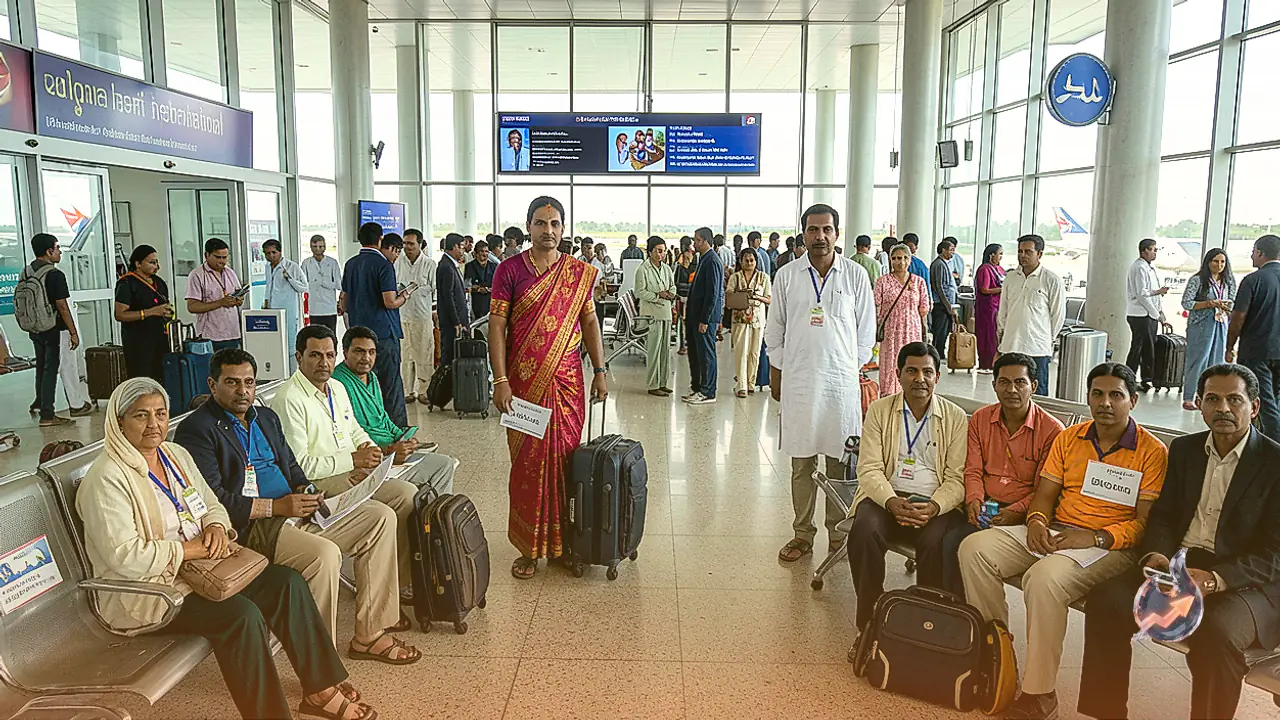
Anindya Mukherjee, a resident of Kolkata, recently concluded his pilgrimage to Kailash Mansarovar alongside family members, relatives, and friends. Recounting his experience, Anindya shared that around two and a half months ago, his group had spent three consecutive nights staying in the very village that has now been wiped out. Learning about the absolute devastation of the settlement left him deeply shaken. Anindya remarked that it is frightening to imagine what would have happened had their itinerary been delayed by a few weeks, as they too could have been trapped in the deadly catastrophe.
Relief and Rescue Operations Encounter Severe Terrain Challenges
Emergency responders and security personnel in Nepal have launched extensive search and rescue missions across the affected zones. However, persistent adverse weather conditions coupled with severely damaged road networks have hindered relief teams from quickly reaching remote locations. The primary focus remains on locating missing individuals, especially the numerous Indian pilgrims with whom all communications were severed following the landslide. Search parties are continuing their efforts despite hazardous environmental conditions.
Growing Alarm Over Environmental Vulnerability in the Himalayas
Reflecting on the recurrent nature of such incidents in high-altitude zones, Anindya Mukherjee expressed profound concern over the fragile Himalayan ecology. He highlighted how cloudbursts, sudden flash floods, and land subsidence are becoming regular annual occurrences across the mountain ranges. According to him, nature is repeatedly dropping clear warning signs, raising critical questions about whether human societies are taking these environmental signals seriously. Witnessing a place one recently inhabited turn into a debris-filled wasteland remains a haunting ordeal.