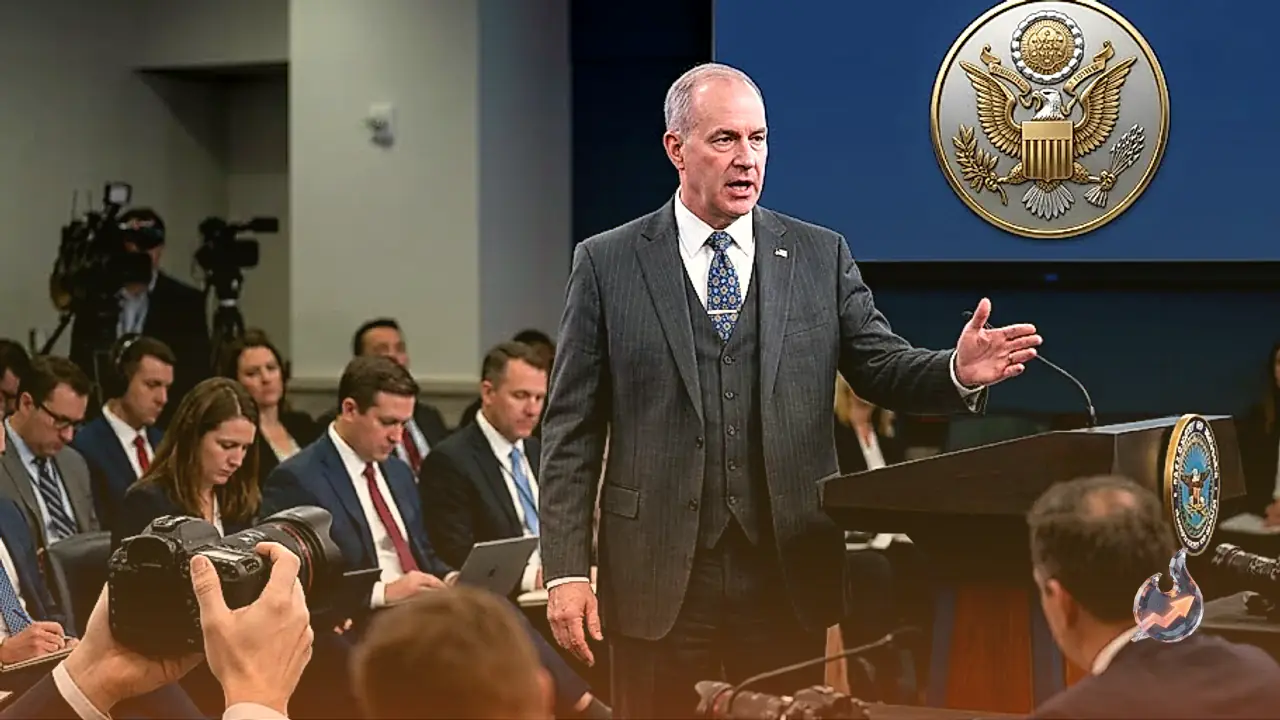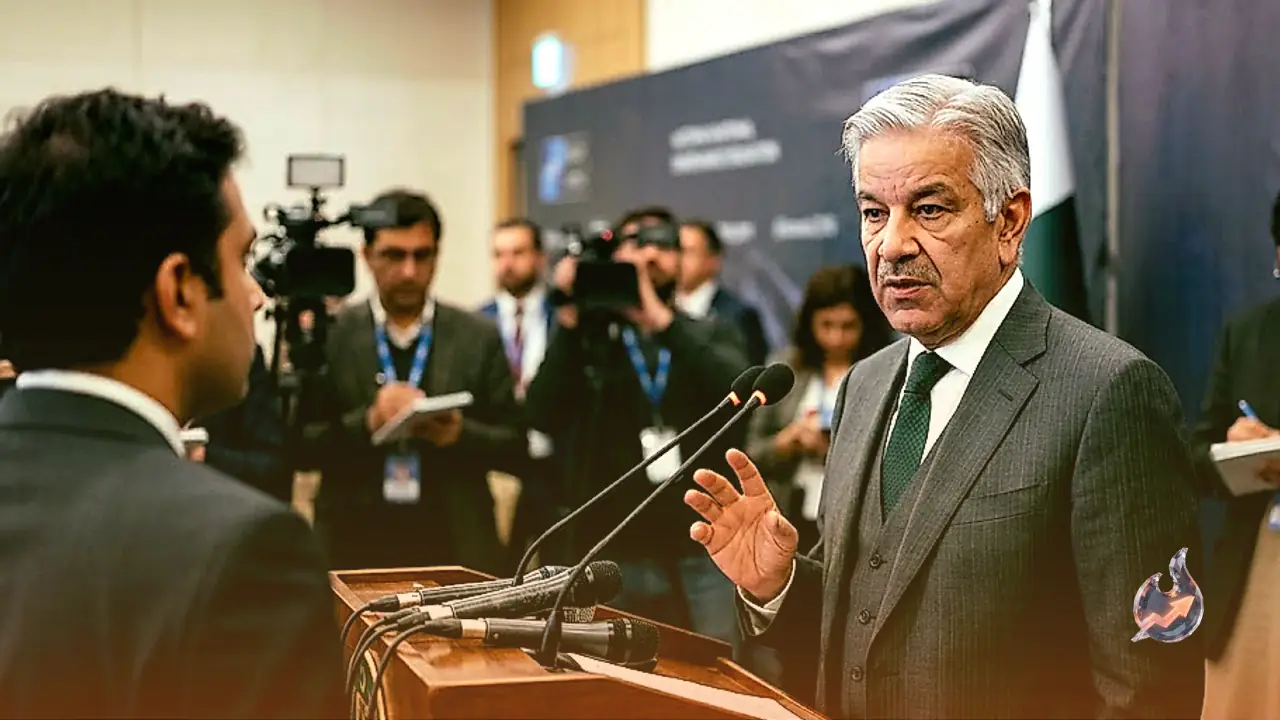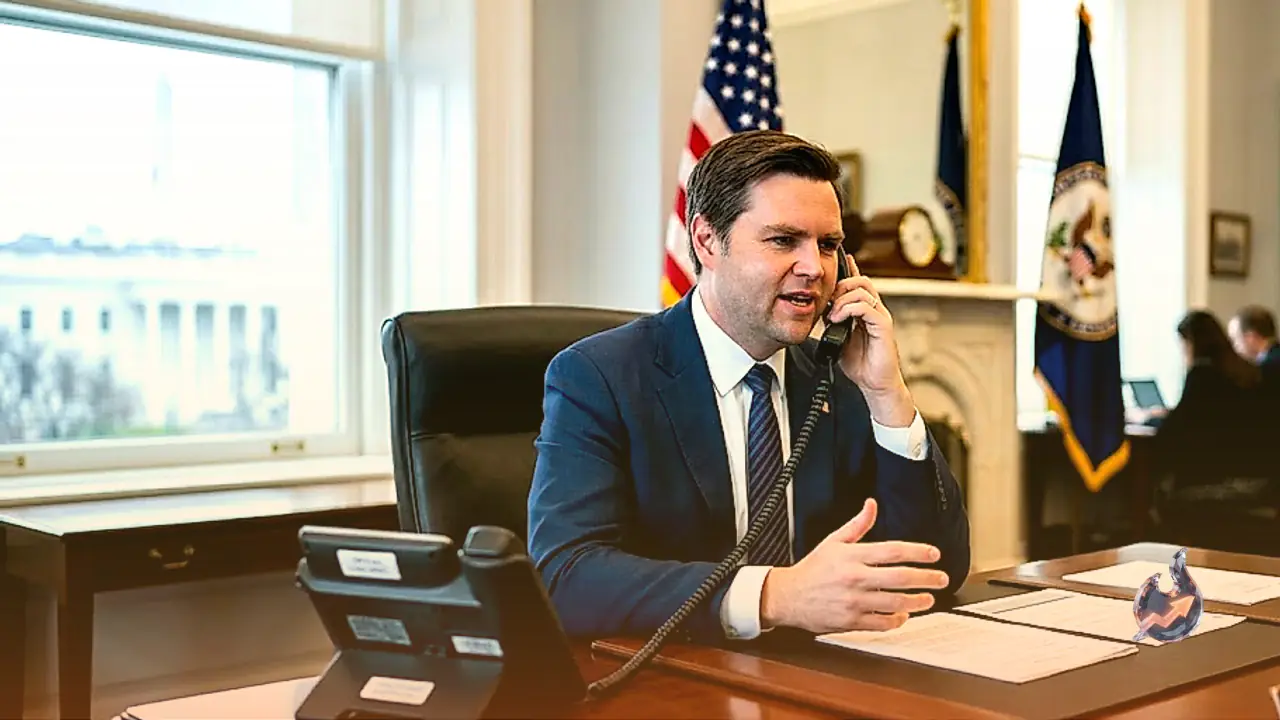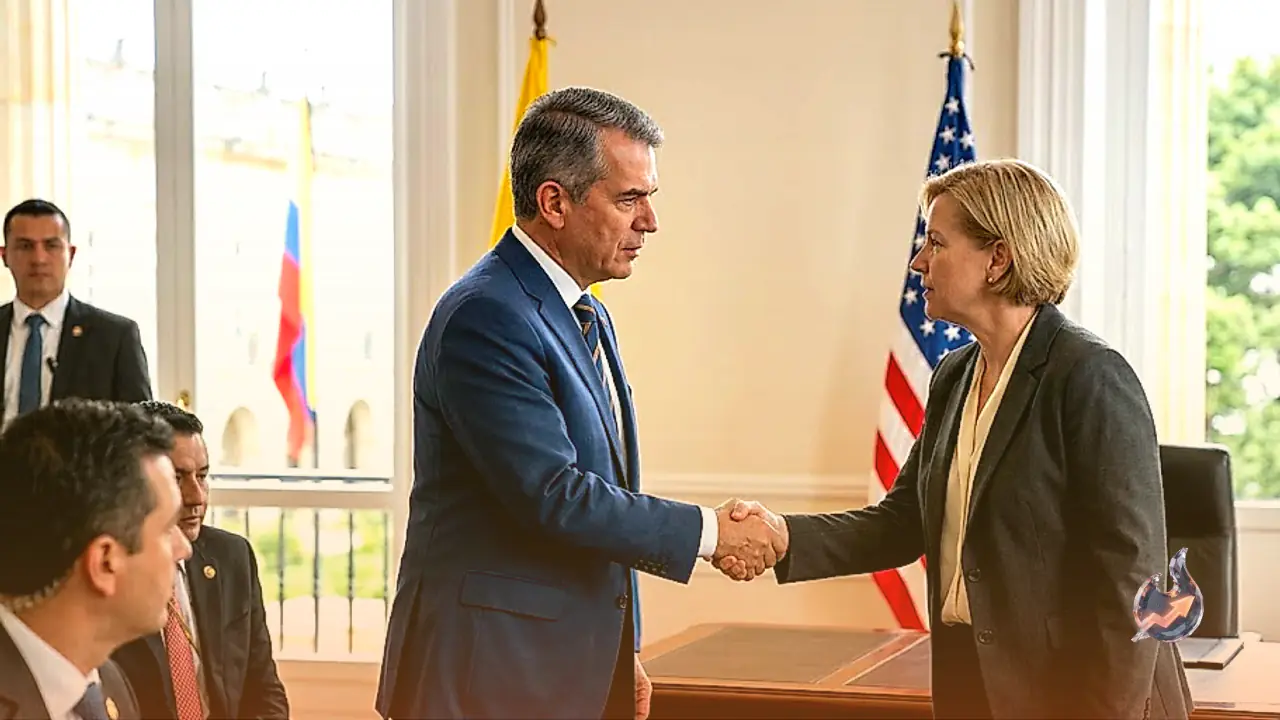




















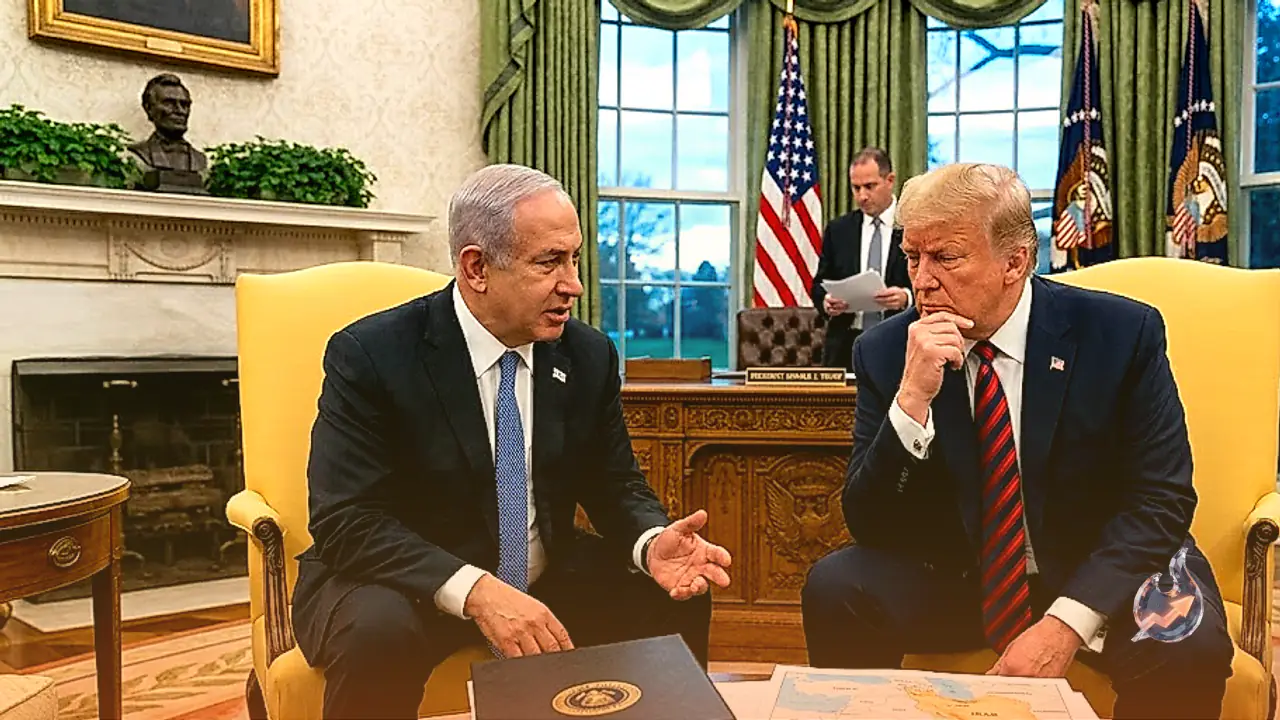

Amid ongoing regional tensions, United States President Donald Trump and Israeli Prime Minister Benjamin Netanyahu have come face to face once again. The high-level and confidential meeting is currently underway inside the Oval Office at the White House in Washington. This crucial gathering is widely expected to shape the definitive strategy regarding how to handle Iran moving forward. Just ahead of this sit-down, President Trump wrapped up separate closed-door consultations with two other major regional figures, the President of Lebanon and the Prime Minister of Iraq.
Face-to-Face Inside the Oval Office
Benjamin Netanyahu shared a photograph capturing a lighthearted moment between the two leaders, showing them laughing together. Accompanying the image, the Israeli leader wrote that he is holding a meeting at the White House with his friend, the President of the United States. Media reports indicate that the central focus of these discussions remains Iran's nuclear power, with key determinations anticipated. Israel has long demanded strict actions against covert Iranian nuclear sites, and reports suggest Netanyahu is presenting fresh intelligence inputs regarding underground locations and escalating activities.
The Sensitive Pickaxe Intelligence Report
One of the most delicate dimensions of this summit involves a clandestine site designated as Pickaxe, concerning which Netanyahu is delivering a comprehensive intelligence dossier to Trump. According to claims, highly secretive operations are underway at this location, fueling intense security concerns for Israel. Through this briefing, Netanyahu aims to demonstrate the severe risks of ignoring the site. While Trump has previously expressed some frustration over the premature leaking and public sensationalism surrounding this intelligence, observers are watching closely to see how the administration reacts once the report lands on the desk.
Engagements with Lebanese and Iraqi Leaders
Before sitting across the table from Netanyahu, President Trump engaged with other key leaders from the region. His discussions with the Lebanese President focused heavily on weakening Hezbollah, while the meeting with the Iraqi Prime Minister centered on securing American military installations and curbing Iranian interference across the area. This diplomatic outreach demonstrates that the American strategy looks beyond relying solely on Israel, aiming instead to bring broader regional actors into the fold to foster stability in the Middle East.
Strategic Nuances and Alliance Dynamics
Although Donald Trump and Benjamin Netanyahu frequently characterize each other as close allies, recent reports have highlighted subtle divergences in their preferred approaches toward Iran. Elements within the US administration have maintained that diplomatic channels should not be entirely closed, offering room for potential negotiations. Conversely, the Israeli viewpoint holds that strict military deterrence is indispensable. Through the current Oval Office talks, both leaders are attempting to bridge their respective priorities and forge a cohesive, unified plan.
The Abraham Accords and the Future of Gaza
The discussions extend far beyond immediate security conflicts, placing significant emphasis on long-term peace agreements. The Trump administration is actively pursuing the expansion of the Abraham Accords to incorporate major regional powers such as Saudi Arabia. In tandem, both leaders are holding deep deliberations regarding the post-war reconstruction of Gaza and the future governance structures for the territory.