






















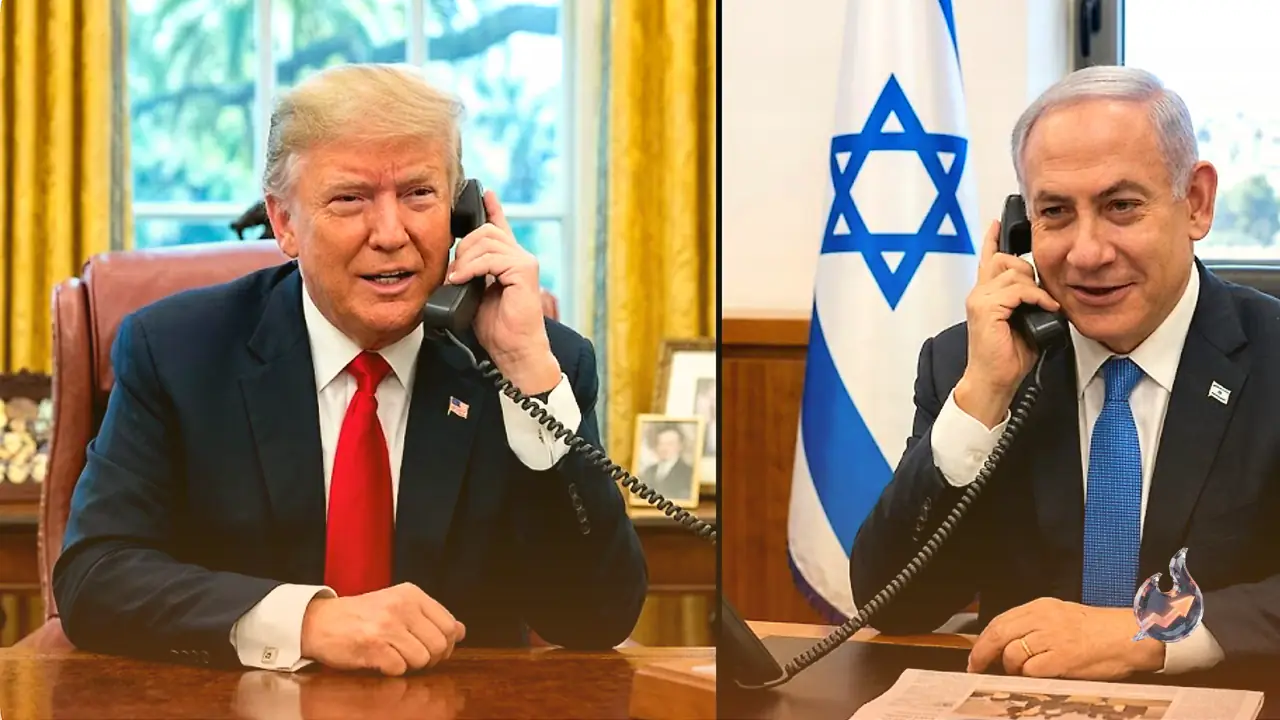

Israeli Prime Minister Benjamin Netanyahu and US President Donald Trump held a phone conversation on Friday, agreeing to meet in person in the United States in the near future. The Israeli Prime Minister's Office confirmed the call in a statement, though no date or venue for the planned meeting has been made public yet.
What the call covered
According to the statement, Netanyahu used the call to congratulate Trump on the 250th anniversary of the founding of the United States. He said America guarantees freedom across the world and that Israel deeply values its close and strong relationship with the United States. The statement added that both leaders agreed to meet soon on American soil, even though a concrete schedule for the meeting has not yet been worked out. Neither side has indicated whether the meeting will take place in Washington or elsewhere in the country.
Why Trump had been critical
The call came days after Trump had openly criticized Netanyahu's approach to the conflict in Lebanon. The friction stemmed from Israel's military campaign against Hezbollah, which had threatened to derail the peace negotiations under way with Iran, a development that appeared to irritate Trump enough to comment on it publicly.
Movement in the Iran talks
Talks around a 14-point memorandum of understanding with Iran are continuing in parallel. A spokesperson for Qatar's foreign ministry said that on July 1, officials from Qatar and Pakistan held separate rounds of meetings in Doha with American and Iranian negotiators. Those meetings produced what the spokesperson described as positive movement on issues tied to the same 14-point memorandum. The spokesperson said all sides had agreed to keep the dialogue going in the coming period, and that the next round of talks would be scheduled as soon as possible after the funeral of Iran's former supreme leader.
Israel holds firm against Hezbollah
Earlier, on July 1, Israel itself had made clear that it would not halt its military operations against Hezbollah despite the existing ceasefire arrangement with Lebanon. Israel's Deputy Foreign Minister Sharren Haskel argued that the Iran-backed group still poses a direct security threat, and that genuine, lasting stability in Lebanon is impossible until Hezbollah's weapons are fully removed. In an interview, Haskel said Israeli military action would keep going for as long as Hezbollah continued attacking Israeli territory. She also argued that dismantling the group's military capabilities serves the interests of both Israel and Lebanon, not just one side of the border.
Two tracks moving at different speeds
Taken together, the two tracks show a region moving on two speeds at once, cautious diplomatic outreach at the top and unresolved military tension on the ground, with the proposed Washington meeting seen as a chance to narrow that gap.