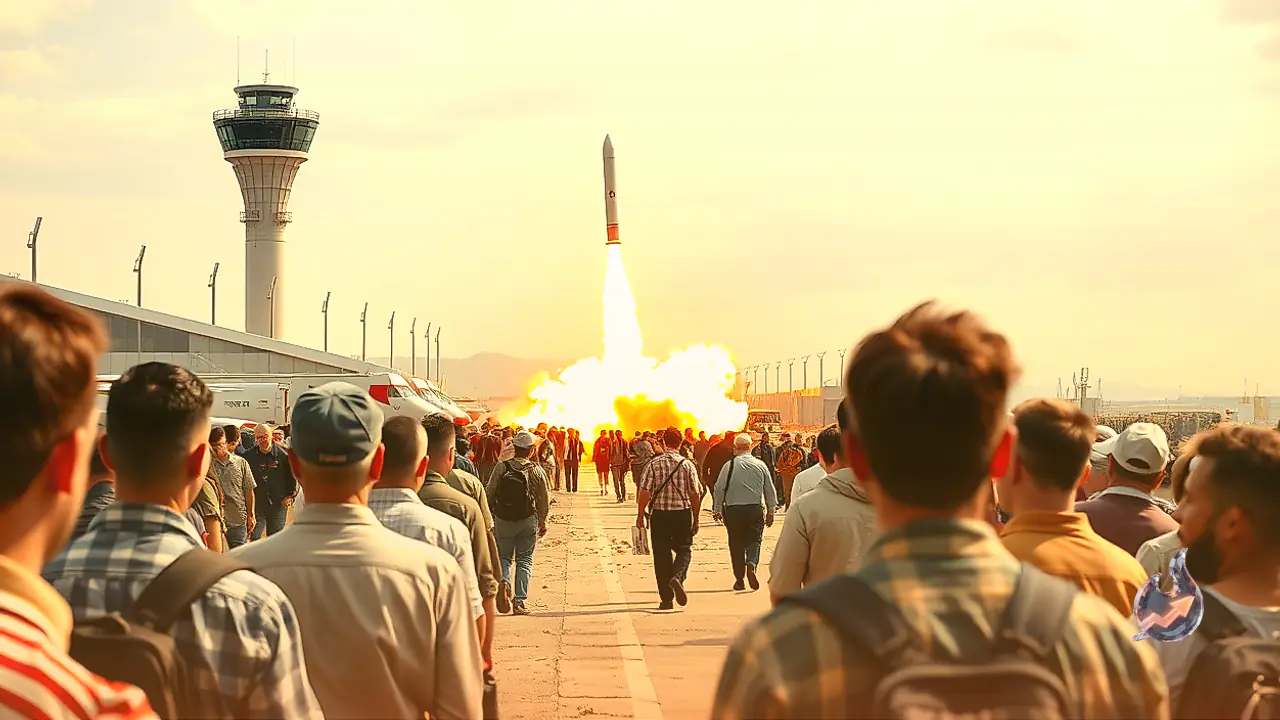


















Saudi Arabia has signaled a decisive military posture following a barrage of deadly strikes launched by Yemen's Iran-backed Houthi movement against civilian airports and critical energy infrastructure inside the kingdom. With civilian casualties mounting and vital transport hubs suffering direct hits, the kingdom's leadership has made it clear that persistent cross-border incursions will face substantial retaliation. The escalation underscores the fragile state of Gulf security as critical transport corridors become active battlegrounds.
Energy Minister Warns of Escalating Retaliation
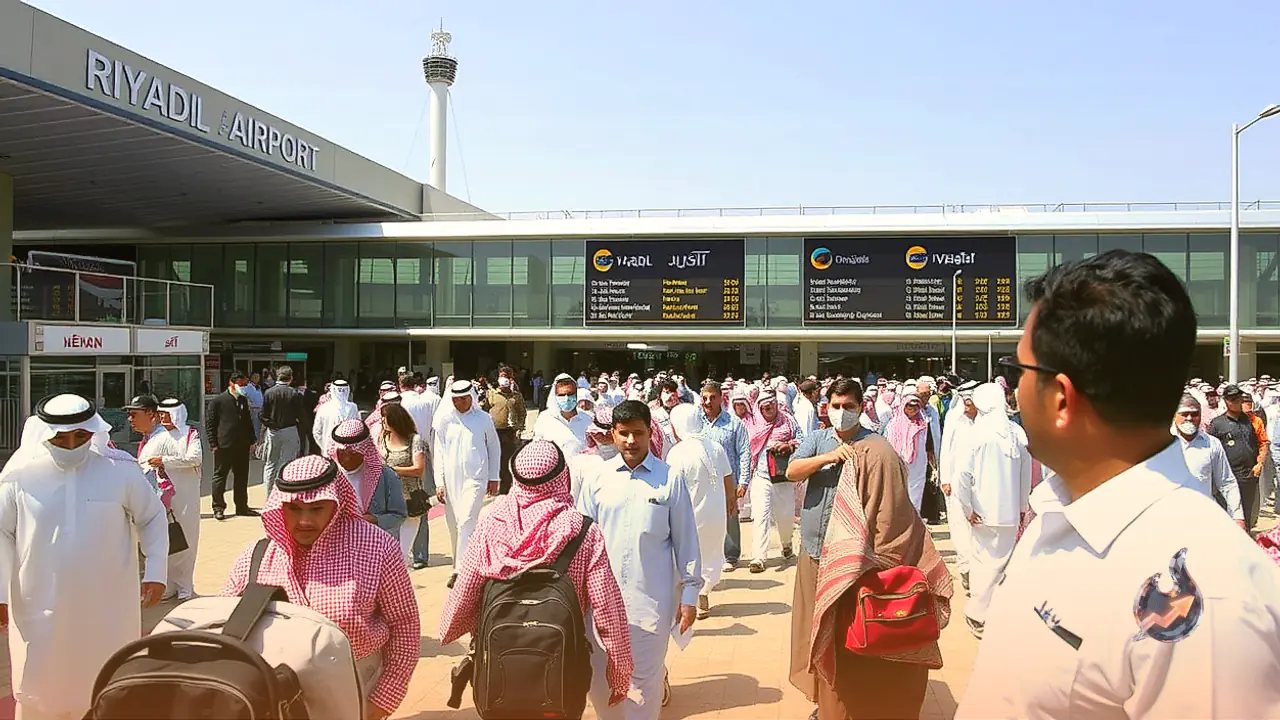
Addressing delegates at the WPC Energy Congress in Riyadh, Saudi Energy Minister Prince Abdul Aziz bin Salman issued an unambiguous warning regarding the recent violence. He stated that the events of recent weeks are serious and emphasized that the kingdom's response must be equally serious. The remarks reflect growing frustration within Riyadh over repeated assaults targeting civilian aviation centers, domestic petroleum assets, and Red Sea logistics networks, all of which threaten regional commercial stability.
Fatal Incursions at Riyadh International Airport
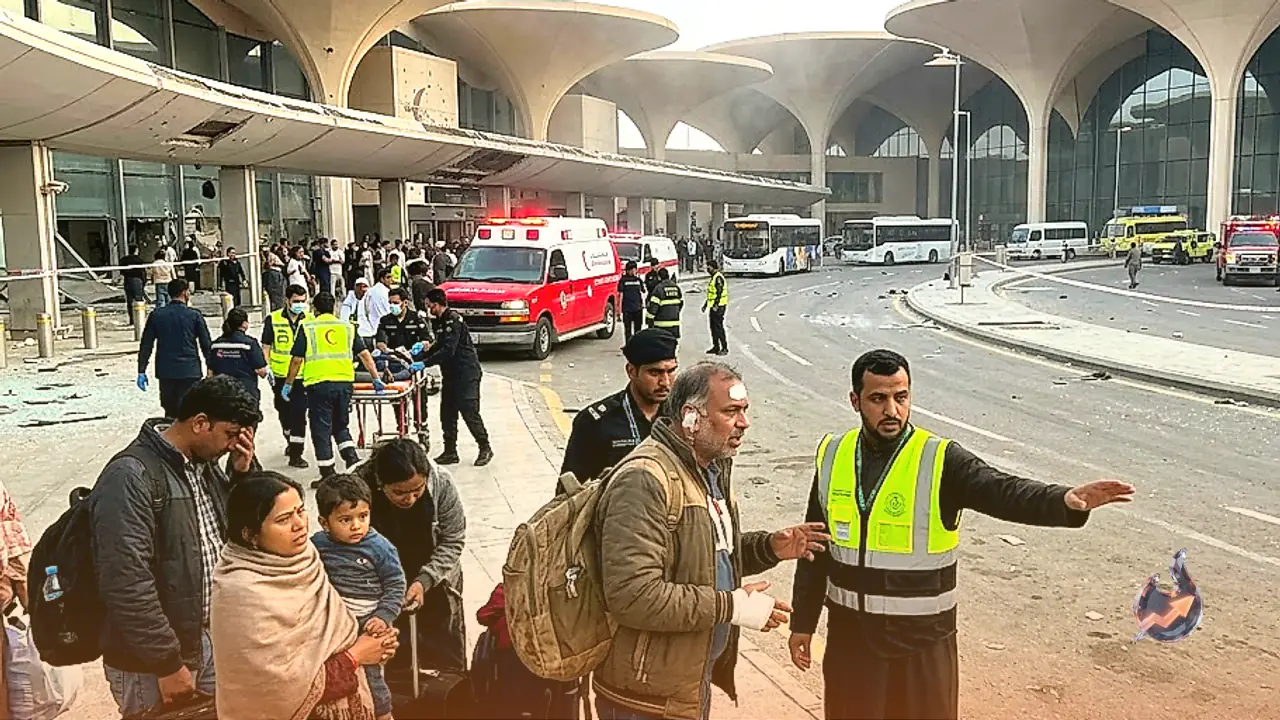
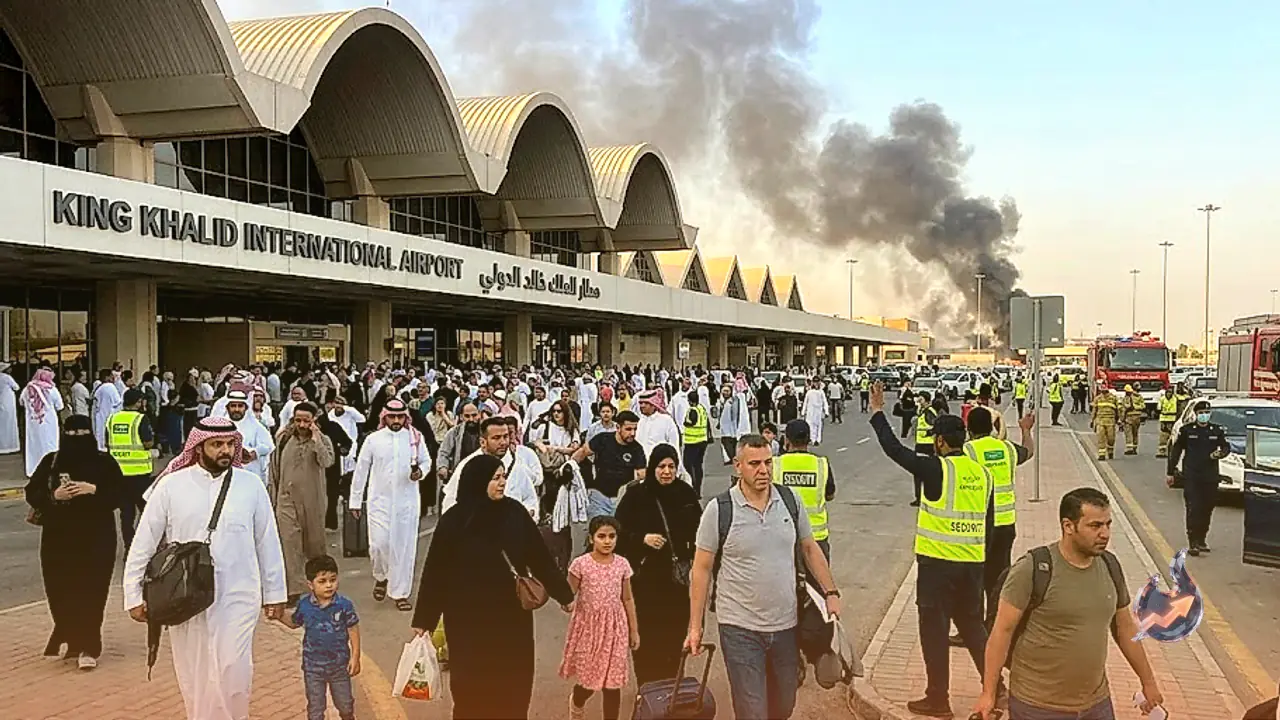
The minister's remarks followed consecutive days of lethal bombardments on King Khalid International Airport in Riyadh. According to Saudi authorities, a strike on Sunday struck an airport terminal, killing a Pakistani national. That incident occurred just twenty-four hours after a separate Houthi missile slammed into another terminal at the same airport on Saturday, killing 13 people and compelling aviation regulators to shut down the facility. Verified video records from inside the complex documented scenes of panic and substantial structural damage at the moment of detonation.
Retaliatory Cross-Border Clashes in Yemen
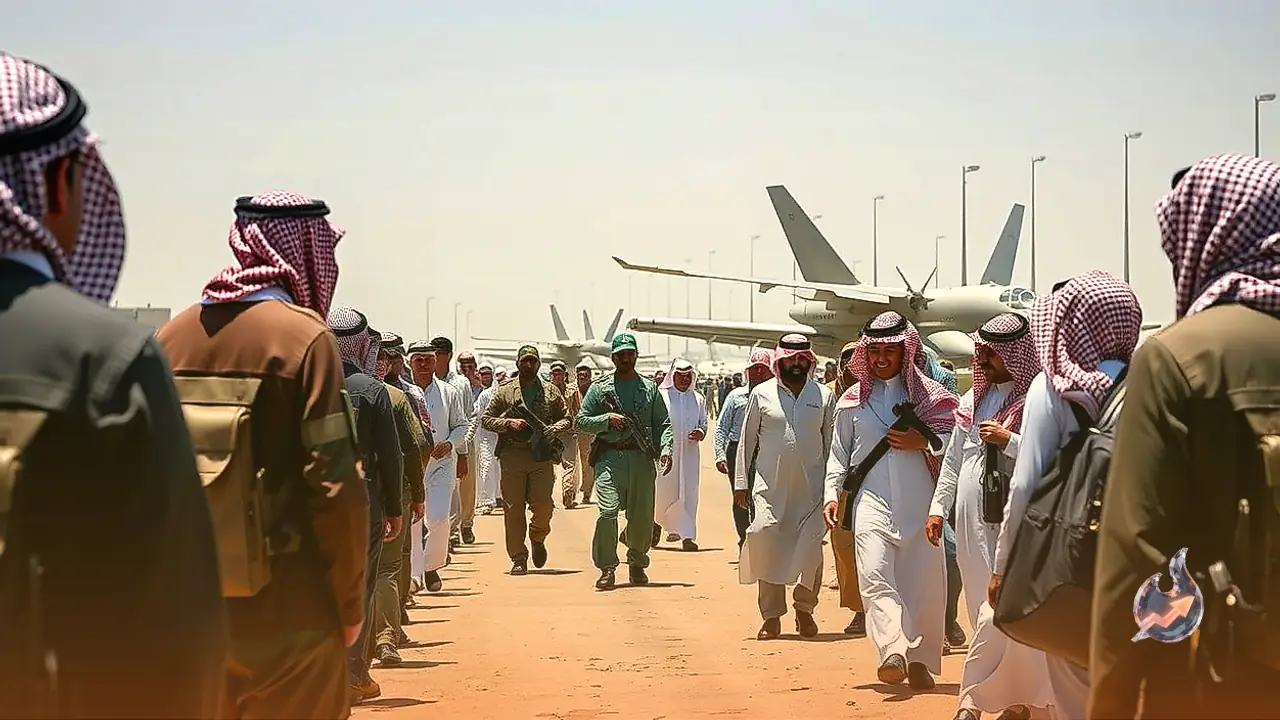
Houthi military authorities quickly claimed responsibility for the airport strikes, asserting that the actions served as legitimate retaliation against severe Saudi aggression in rebel-held regions of western Yemen. Meanwhile, the Houthi-administered health ministry reported that a Saudi airstrike struck a residential structure in the capital city of Sanaa on Sunday, resulting in the death of a child and injuries to six other people. Throughout the dispute, the Saudi-led military coalition has furnished vital air support to Yemeni pro-government forces confronting Houthi fighters across the strategic Red Sea coastal plain.
Collapse of the Multi-Year Informal Truce
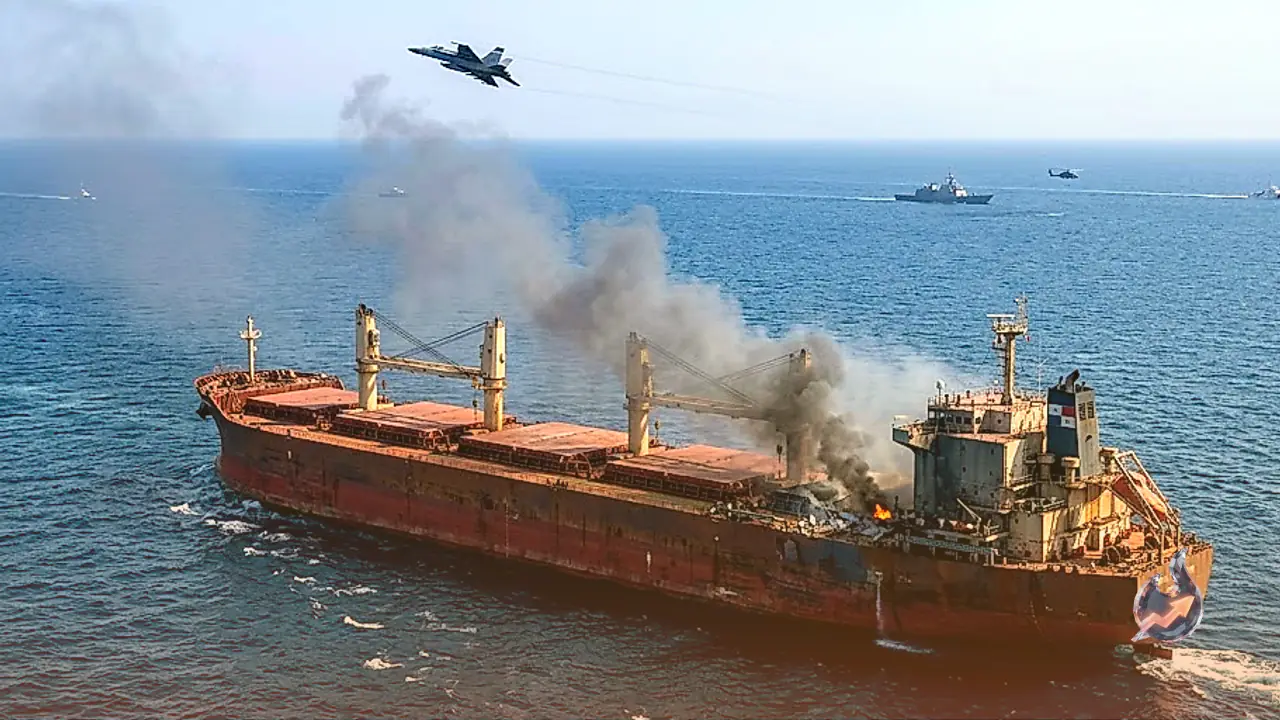
Yemen has endured devastating armed conflict since 2014, when Houthi insurgent units captured Sanaa and forced the internationally recognized government into exile. The war deepened substantially in 2015 when the Saudi-led coalition intervened militarily to restore governmental authority. A fragile informal ceasefire that had largely held for four years unraveled abruptly in July, after Houthi commanders declared a maritime embargo targeting Saudi Arabia. The rebels subsequently launched a broad offensive utilizing ballistic missiles and armed drones against Saudi airports, domestic oil facilities, and commercial tankers operating along the Red Sea.
Control Over the Bab al-Mandab Strait and Market Volatility
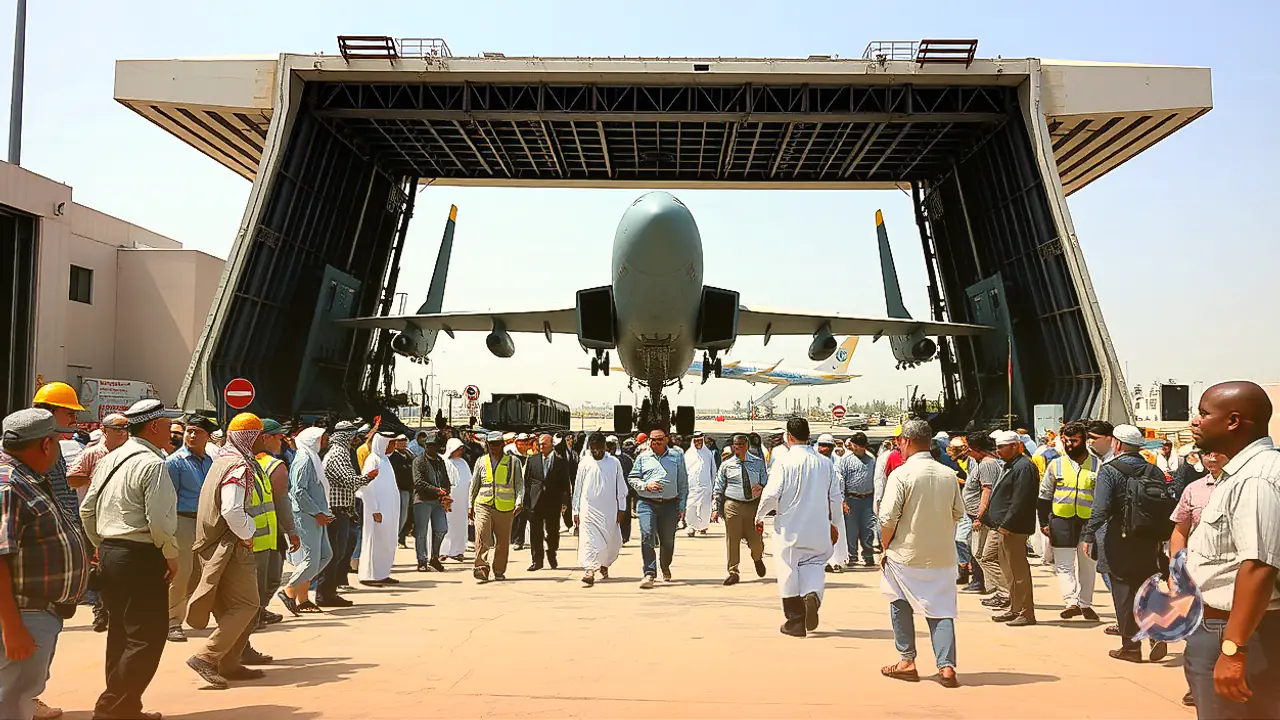
The Houthis have maintained that their maritime campaign answers a continued Saudi blockade of northern Yemeni ports and airports, alongside an airstrike on Sanaa airport. While the rebels blamed that strike on Saudi forces, the Yemeni government took direct responsibility, stating the mission intercepted an unauthorized Iranian aircraft attempting to touch down. Regional volatility worsened last month when Houthi battalions mounted an unexpected offensive along the south-western Red Sea littoral, dislodging pro-government units from high ground commanding the Bab al-Mandab Strait. While the insurgent group stated that international merchant vessels would not be targeted apart from Saudi-flagged transport, the confrontation triggered an immediate spike in global crude oil prices.
Naval Chokepoints and the Battle for Territory
The vulnerability of the Bab al-Mandab corridor proved particularly acute for Riyadh, which had redirected major crude export volumes through the Red Sea after conflict involving the United States, Israel, and Iran effectively shut down the Strait of Hormuz in the Gulf. In response to the insurgent advance, the Yemeni government launched a comprehensive counter-offensive last week to reclaim lost territory. Pro-government formations announced that heavy Saudi airstrikes enabled them to recapture positions around Bab al-Mandab, although Houthi officials vigorously denied conceding ground as fighting continues across the corridor.