

















Coastal communities along Mexico's Pacific shoreline are facing severe disruptions as Hurricane Simon edges closer, triggering widespread emergency preparations. Coming on the heels of the extensive destruction caused by storm Isaias, this latest tempest has heightened the threat of violent gales, torrential downpours, towering storm surges, and destructive flash flooding across low-lying zones. Civil authorities have issued urgent evacuation advisories, calling upon residents in vulnerable coastal settlements to seek refuge in designated emergency shelters. Precautionary measures have brought regular civilian activity to a standstill in several districts, while major aviation hubs have suspended operations to safeguard travellers.
Wind Speeds and Shifting Storm Intensity
Data released by the US National Typhoon Center on October 11 revealed that Hurricane Simon has been advancing at a sluggish pace of approximately 5 miles per hour. Despite this crawling movement, the system packs severe destructive energy, generating sustained peak wind speeds reaching 120 miles per hour, equivalent to 196 kilometres per hour. Forecasters initially projected that the disturbance would make landfall with the devastating force of a Category 4 system. While the storm eventually underwent a slight deceleration in structural intensity, dropping down to a Category 3 hurricane, authorities stressed that this downgrade offers no real relief from the hazards, as 196 km/h winds remain more than capable of widespread physical destruction.
Alerts Issued Across Four States Under Presidential Advisory
Providing an operational update, Laura Velazquez Alzua, the national coordinator of Mexico's civil protection agency, stated that while the vortex has not officially made direct landfall yet, its outer bands are churning dangerously close to the coastline. She urged the public to stay tuned to ongoing meteorological bulletins and follow municipal safety orders without delay. Amid escalating concerns, President Claudia Sheinbaum issued a public appeal to residents across the states of Jalisco, Colima, Michoacan, and Nayarit. She urged citizens to remain inside secure shelters until an official announcement confirms that the danger has passed completely. Emergency officials also warned that a sudden cessation of rain or wind should never be interpreted as the storm's conclusion. Hurricanes often present an eerie, temporary calm before conditions rapidly deteriorate once more.
Airports Shut Down and Massive Military Mobilisation
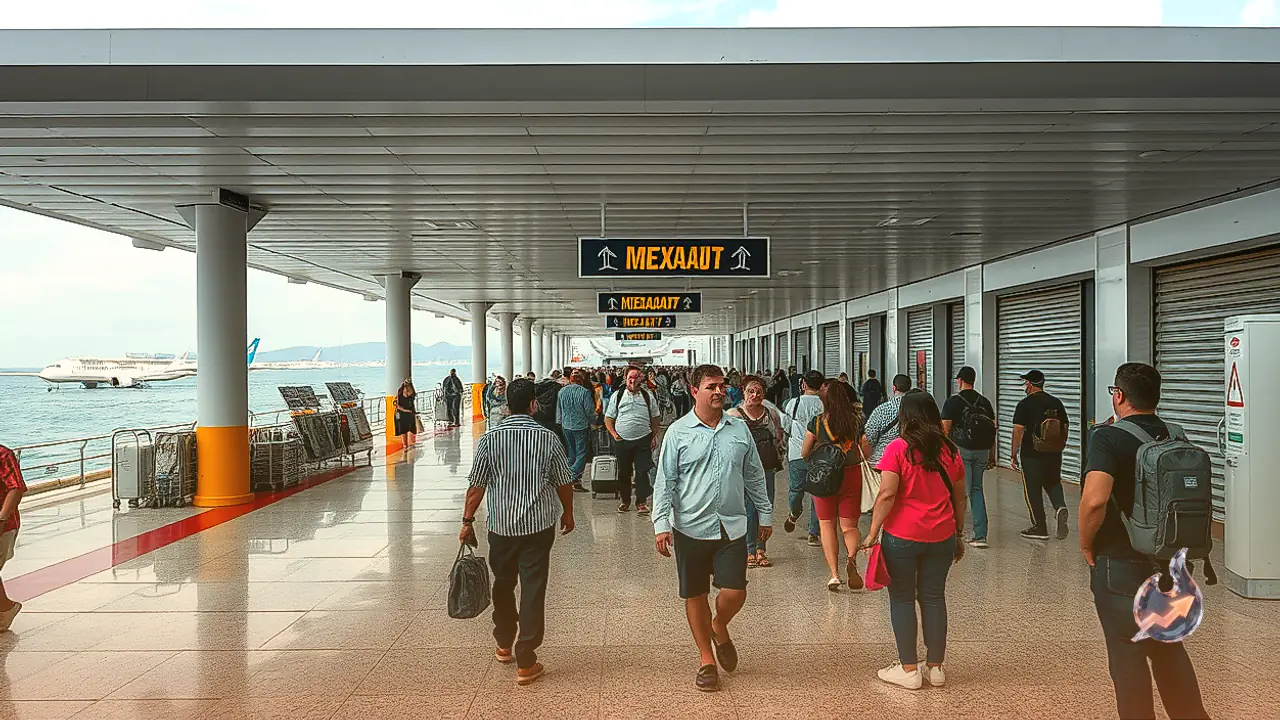
The aviation network along the Pacific coast has taken an immediate hit as transport regulators move to prevent accidents. The international airport servicing the popular holiday destination of Puerto Vallarta was ordered completely closed. In a parallel decision, flight schedules at Manzanillo airport were wiped clean for the entire day, leaving transit corridors idle. To manage the looming crisis, the Mexican Navy deployed more than 4,600 personnel to lead ground rescue and relief missions. Military units have arrived equipped with heavy machinery, excavation gear, and emergency supplies to assist cut-off communities. Concurrently, technical crews are working to restore electrical grids in several damaged areas, including Acapulco. Civil defense teams remain deeply concerned by the cyclone's slow forward momentum and irregular trajectory, urging everyone to treat safety warnings with utmost seriousness until conditions stabilise.