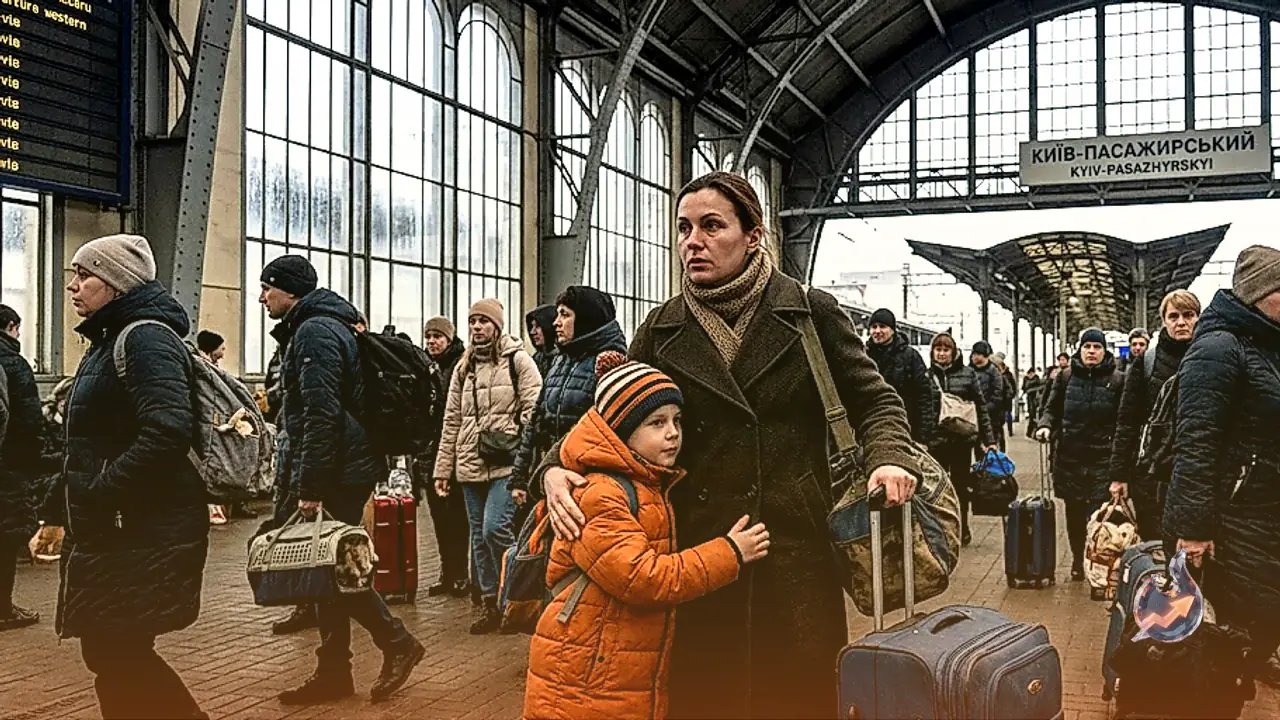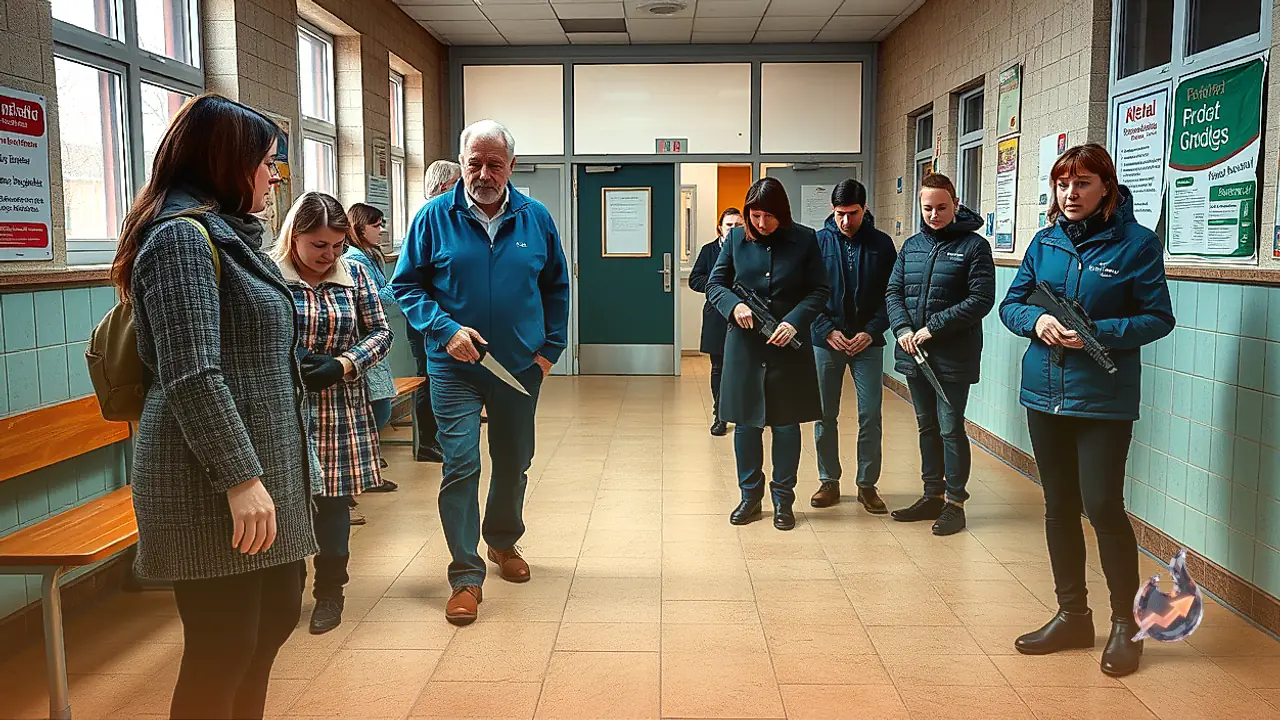





















France has made its first formal gesture toward resolving escalating secondary school unrest, offering 3,000 additional supply teachers in an attempt to pacify teenage protesters who have disrupted education institutions nationwide for three consecutive weeks. The announcement from Education Minister Edouard Geffray arrives after widespread rallies organised around demands for increased resources in secondary schools, which have repeatedly resulted in clashes with law enforcement and school closures.
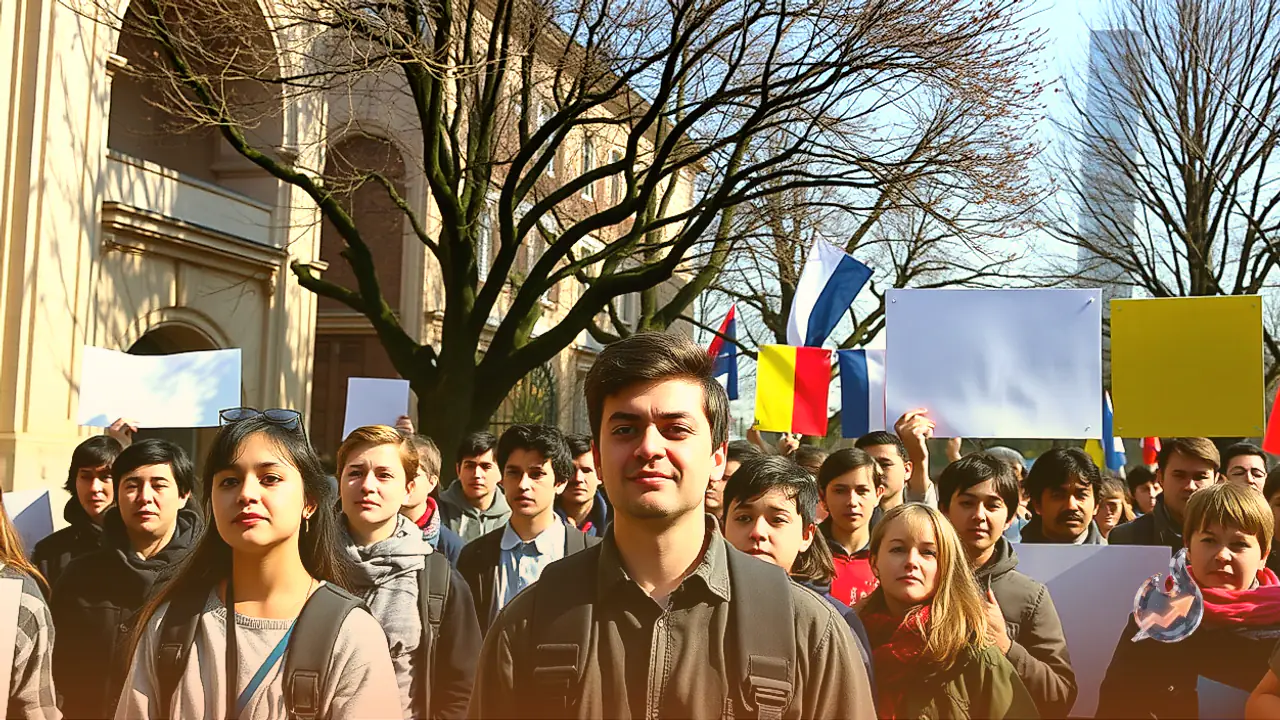
Official records show that 6,877 individuals have been detained by police since the protests erupted, with 86% of those arrested being minors under the age of 18. The ongoing mobilization, described by organizers and trade unions as Act Four of the movement, saw roughly 71,000 people march across French cities on Thursday. The largest gathering took place at the historic Place de la Bastille in Paris, where 24,000 demonstrators converged to demand systemic improvements in state secondary education.
Street Clashes, Vandalism and Widespread Lycée Disruptions
The scale of Thursday's mobilization once again led to intense friction between security forces and factions of demonstrative youth. In multiple metropolitan areas, riot police deployed tear gas to disperse crowds after officers came under barrage from thrown paving slabs, cobbles, and homemade fireworks. The disorder caused extensive property damage and physical violence against school personnel.
In Bordeaux, a public lycée was broken into and ransacked by protesters, leaving teaching facilities severely damaged. In Marseille, a secondary school deputy-head was physically assaulted and beaten during the chaos. By Friday, approximately 140 lycées out of France's national total of 3,500 were either fully or partially shut down. While this figure represented a notable decrease in comparison to preceding days of disruption, student syndicates showed no sign of yielding, issuing a formal call for another nationwide day of action on the upcoming Tuesday.
Deployment Blueprint for Substitute Staff
Education Minister Edouard Geffray outlined the government's initial operational package during a national television broadcast on Thursday evening. Educational authorities, teaching unions, and parents have long acknowledged that countless instructional hours are systematically lost each academic term because regular teaching staff fall ill or take leave without available supply personnel stepping in to cover the classes.
Geffray explained that the Ministry of National Education will leverage a newly activated software platform to identify institutions suffering the most crippling vacancies. Through this technical tracking system, the 3,000 substitute educators will be specifically assigned to approximately 500 high schools determined to be in the most urgent distress. A significant proportion of these prioritized lycées are located in heavily populated, high-immigration urban peripheries, where structural educator recruitment deficits are at their most severe.
Overtime Funding and National Debt Restraints
Beyond dispatching 3,000 substitute teachers, the minister stated that supplementary funding would be injected into an existing program designed to compensate current teachers who voluntarily accept overtime hours to cover missing classes. Looking further ahead, Geffray pledged that student demands and structural grievances would be incorporated into ministerial preparations for the secondary education allocations within the 2027 state budget.
Nevertheless, the package refrained from committing to large-scale, structural public investment of the magnitude desired by the broader student body. French authorities remain cautious about creating the impression of purchasing domestic social calm with unchecked spending, particularly as the nation's fragile sovereign debt profile is subject to strict and continuous scrutiny by international financial markets.
Skeptical Union Responses and Demands for €10bn
Student leaders responded to the minister's concessions with open skepticism and uncompromising conditions. Nathanaël Combary, representing Renouveau Lycéen, the most moderate of the three primary high-school student unions, stressed that students are waiting to evaluate whether the initiative translates into measurable changes in classrooms. "We've had some announcements which correspond to part of our demands. But obviously people want to see the money and more concrete results," Combary noted.
By contrast, the more radical Union Etudiante, an organization aligned with the left-wing France Insoumise party led by presidential candidate Jean-Luc Mélenchon, dismissed the incremental gesture entirely. Union representative Sabrine Kharbach insisted: "As long as we do not have €10bn on the table, we will continue our action." Mélenchon celebrated the mass turnouts on social media platform X, proclaiming that the secondary students had "retaken the Bastille."
Political Polarization and Converging Protests
From the opposite end of France's political landscape, the hard-right National Rally (RN) launched fierce criticism against the executive's concessions. Party spokesman Laurent Jacobelli argued that meeting protesters' demands following civil unrest set a dangerous precedent: "The message is: if you break things, you get given stuff. When you burn cars, attack police, you gain something in return. It's the legitimisation of violence."
The standoff represents the most acute youth mobilization France has encountered in recent years, erupting amidst a broader climate of public discontent. Broader social grievances concerning escalating motor fuel costs and acute distress across the domestic agricultural sector threaten to coalesce into wider unrest. Demonstrations have already been scheduled for next Saturday, 17 October, by a revived "yellow vest" movement.
These converging social pressures are further magnified by the impending presidential elections scheduled for April and May, in which both hard-right and hard-left political parties are projected to mount powerful electoral challenges. In the short term, government officials are banking on the upcoming half-term school break at the end of next week, accompanied by forecasts of wetter and colder seasonal weather, to dampen mobilization momentum and clear the streets.